

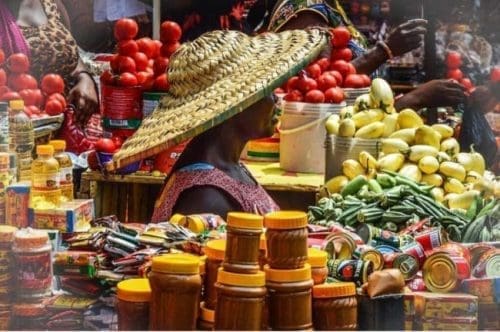
Inflation in Ghana’s Ashanti Region reached 9.8 per cent in September 2026, nearly double the national rate, while prices in the Western Region fell, Ghana Statistical Service (GSS) data show.
Figures released on 7 October put national inflation at 5.2 per cent. Ashanti recorded the highest regional rate, followed by the Eastern Region at 7.8 per cent. Greater Accra came in below the national average at 3.4 per cent. The Western Region recorded a rate of minus 0.5 per cent, meaning its consumer basket cost slightly less than a year earlier.
The spread shows how little the national average says about any one household. The 10.3-point gap between Ashanti and Western means two families buying similar goods can face very different price trends depending on where they live. For businesses and workers in Kumasi and the wider Ashanti Region, the cost of living is rising at close to the pace the whole country saw a year ago, when national inflation stood at 9.4 per cent.
A regional rate measures how fast prices are changing, not how expensive a place is. Faster inflation in Ashanti does not mean living there costs more than in Accra, only that prices there have risen more quickly over the past 12 months.
Nationally, inflation rose for a second straight month, from 5.0 per cent in August. Prices rose 1.1 per cent over the month, after falling 1.0 per cent in August. Food inflation climbed to 4.0 per cent from 3.0 per cent, driven by fresh tomatoes, up 153.4 per cent on the year, and ginger, up 100.4 per cent. Some staples moved the other way: lime prices fell 29.9 per cent and maize 26.4 per cent.
Locally produced items drove about 86 per cent of inflation, which Government Statistician Dr Alhassan Iddrisu described as largely homegrown. National inflation remains below the lower bound of the Bank of Ghana’s medium-term target of 8 per cent, plus or minus 2 points.

