

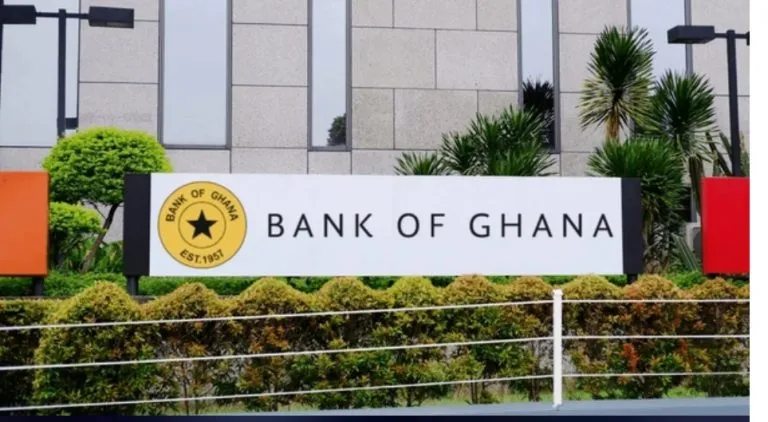
Ghana’s central bank actions against currency violators reflect sound policy rather than panic, banking consultant Dr Richmond Atuahene argues, as the cedi trades near 12-month lows against the dollar.
The Bank of Ghana (BoG) suspended United Bank for Africa Ghana’s foreign exchange trading licence for one month effective September 18, citing multiple regulatory breaches involving unauthorised remittance partnerships with payment service providers.
Dr Atuahene dismissed criticism that the sanctions represented desperate measures, emphasising their strategic importance for currency stability. With the cedi currently trading around 11.89 per dollar, he pointed to previous interventions as evidence of the central bank’s effectiveness.
“It is not a panic reaction. Last year when they [BoG] suspended CBG [Consolidated Bank Ghana] and TapTap Send, it wasn’t a panic reaction,” Dr Atuahene explained. “Every country, especially in the developing world or emerging economies where remittances play a key role in their balance of payment, must take such measures.”
The UBA Ghana case highlights ongoing challenges in Ghana’s forex market supervision. The bank violated foreign exchange market regulations, including breaches of the Updated Guidelines for Inward Remittance Services, according to the central bank’s statement.
The infractions involved unauthorised partnerships with Payment Service Providers including Halges Financial Technologies Limited, Cellulant Limited, and Flutterwave Inc. These firms facilitated transactions for Money Transfer Operators such as Top Connect, Send App, TapTap Send, Remit Choice, and Afriex without proper regulatory approval.
All remittance partnerships between UBA Ghana and these entities have been suspended, with future collaborations requiring fresh applications after the suspension period ends.
The sanctions come as Ghana grapples with persistent currency pressures. The cedi has weakened 12.87% over the past month, though it remains up 24% over the past year, reflecting the volatile nature of Ghana’s foreign exchange market.
Remittance flows represent a crucial source of foreign currency for Ghana, making regulatory compliance essential for market stability. Dr Atuahene stressed that strict enforcement protects the broader economy from the risks associated with unregulated foreign exchange activities.
UBA Ghana is currently in discussions with the Bank of Ghana to resolve the suspension, while the central bank has warned other market participants to ensure full regulatory compliance or face similar penalties.
The case underscores the delicate balance Ghana’s monetary authorities must maintain between encouraging foreign investment and remittance flows while ensuring proper oversight of currency markets that directly impact millions of Ghanaians dependent on stable exchange rates for daily commerce.
For ordinary Ghanaians, the regulatory actions aim to prevent currency manipulation that could worsen inflation and reduce purchasing power, though the immediate impact includes reduced competition in the remittance market during UBA’s suspension period.

