

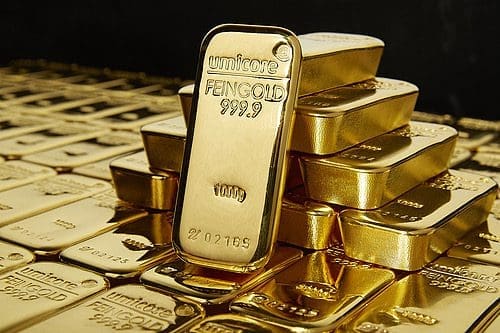
The Bank of Ghana’s (BoG) Head of Gold Management has stepped forward to publicly defend the financial cost of the central bank’s Domestic Gold Purchase Programme (DGPP), arguing that economic stability delivered in 2025 justified the GH¢9.1 billion net loss the programme recorded, even as policy analysts warn the model requires urgent structural reform.
Paul Bleboo, speaking on TV3’s Key Points programme on Saturday, May 2, 2026, acknowledged that the total gross loss from the DGPP reached GH¢21 billion, but said the net cost borne directly by the central bank stood at GH¢9.1 billion after accounting for related programme revenues. He framed that figure as the price of the macroeconomic stability Ghana achieved over the period.
“We all saw what happened in 2025 and we are all witnesses to the economic stability we are enjoying, the currency stability. Definitely, there is a cost to it,” Bleboo said.
He traced the origins of the programme to the economic disruptions caused by the Covid-19 pandemic and the Russia-Ukraine war, both of which destabilised the cedi and depleted foreign reserves. The central bank’s response, he explained, was to leverage Ghana’s natural gold endowment, using locally purchased cedi-funded gold, refining and exporting it, and converting the proceeds into hard currency reserves.
The audited 2025 financial statements show the scale of those operations. The Bank purchased 2,914,305 fine ounces of doré gold during the year, up from 1,092,492 fine ounces in 2024, and sold 2,895,426 fine ounces, closing December 31 with holdings of 9,283 fine ounces. The Gold for Oil (G4O) component, discontinued in March 2025, recorded a net loss of GH¢544 million, partially offset by a net trading gain of GH¢341 million from oil transactions. Interest income from gold deposits amounted to GH¢47 million.
However, policy analyst Alfred Appiah cautioned that the defence of the programme could not sidestep questions about its financial sustainability. He said the focus on foreign exchange inflows had overshadowed the growing costs of generating them, warning that persistent losses risked eroding the central bank’s capital base at a moment when balance sheet recovery is already a medium-term challenge.
“It’s not just about buying gold and bringing in foreign exchange,” Appiah said, noting that pricing pressures, timing risks between purchase and sale, logistics costs, and smuggling leakages all undermined margins. He said without tighter cost controls, smarter trading strategies and stronger enforcement against informal channels, the programme would remain financially fragile regardless of its reserve-building success.
“If we rush to declare success prematurely while losses are being incurred, the hard work will not get done,” he added.
The Bank of Ghana has maintained that the DGPP is a policy instrument, not a commercial operation, and that its losses reflect the real cost of stabilising an economy under stress rather than management failure.

