

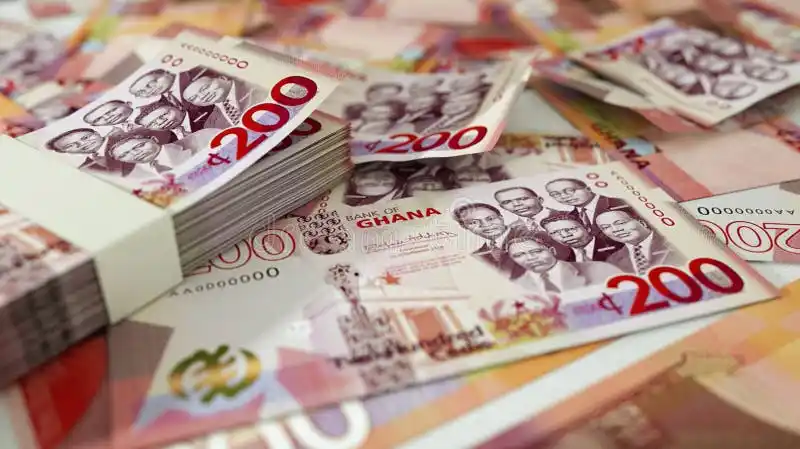
Ghana’s leading business organization has called for intensified government intervention to stabilize the cedi as the currency approaches levels that risk undermining economic recovery and investor confidence.
The Ghana National Chamber of Commerce and Industry warned that continued depreciation could erode recent gains in inflation control and constrain private sector growth, speaking at the Czech-Ghana Business Cooperation Seminar in Accra.
GNCCI National Treasurer Michael Kabutey Caesar referenced previous government commitments to maintain the exchange rate between 10-12 cedis per dollar, expressing concern about potential escalation beyond that range. Current Bank of Ghana figures show the dollar trading at 11.76 cedis as of Tuesday.
“I would be concerned if it escalates beyond that target range,” Caesar said, emphasizing that exchange rate stability remains crucial for both business expansion and government revenue generation. He expressed confidence that authorities are monitoring the situation to prevent a return to previous high depreciation levels.
The business leader stressed the need for balanced policies that serve importers, exporters, and government fiscal interests simultaneously. He noted that while port-related tax revenues remain subdued, striking equilibrium across these competing demands is essential for sustainable economic management.
Current exchange rates show the pound sterling at 15.74 cedis and the euro at 13.71 cedis, reflecting broader pressure on Ghana’s currency amid ongoing economic reforms.
The cedi’s trajectory carries significant implications for Ghana’s economic recovery program, which includes fiscal consolidation measures and monetary policy adjustments designed to restore macroeconomic stability. Unchecked depreciation could potentially reverse progress in controlling inflation while increasing debt servicing costs.
Market analysts view exchange rate management as a critical test of the government’s economic reform credibility, particularly given austerity measures implemented as part of broader stabilization efforts. The ability to maintain currency stability within predictable parameters will likely influence both domestic and international confidence in Ghana’s economic direction.
The GNCCI’s intervention reflects growing private sector concerns about currency volatility’s impact on business planning and investment decisions, particularly for companies with significant import dependencies or foreign currency obligations.

