

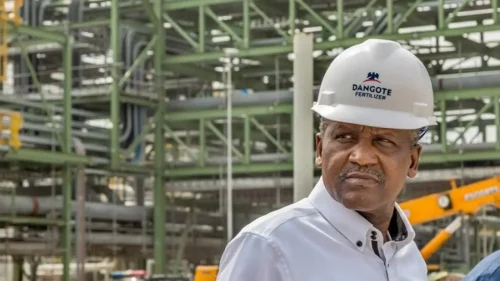
Aliko Dangote and Kenyan President William Ruto broke ground on a $16 billion, 700,000-barrel-a-day refinery in Lamu on 30 September, pledging to cut East Africa’s fuel imports.
The presidents of Ethiopia and Uganda joined the ceremony on Kenya’s northern coast. The refinery is due to be completed in 2030, and at that capacity it would rank among the largest refining complexes in Africa.
The project matters because East Africa has long relied on refined fuel imported from the Middle East. Supporters say a regional refinery could lower fuel costs and save the foreign currency now spent on imports. Doubts remain, however, over where the crude will come from and whether the region’s energy infrastructure can support a plant of this size. Kenya and Uganda are still preparing to start producing oil.
A regional stake
Dangote pitched the Lamu plant as a regional asset rather than a purely Kenyan one. East African governments have been offered a combined stake of up to 30 per cent, giving them a share of profits from domestic supply and exports. Dangote said Kenya and Rwanda had already moved to take up the offer.
He listed the markets he hopes the refinery will serve: Uganda, Rwanda, Tanzania, Ethiopia, South Sudan, the Democratic Republic of Congo, Mozambique and Zambia. He said he also expects to reach buyers across the Indian Ocean.
According to Dangote, the complex will also generate 1,000 megawatts of electricity and produce one million tonnes of polypropylene and base oils. He said it would aim to supply at least 20 per cent of the jet fuel used in Europe and the United Kingdom.
“We must process more of what we produce,” Dangote said. He argued that Africa had for too long exported crude oil, minerals and farm produce, only to import the finished goods made from them.
Jobs and training
Dangote said the project should employ about 60,000 people during construction. He also plans a training school in Lamu for 1,000 local people with engineering degrees, diplomas and related qualifications. He said this would build the skills East Africa needs so that it no longer has to bring in foreign contractors for large infrastructure projects.
He described the refinery as the anchor of a wider industrial zone, with opportunities for local firms in logistics, engineering, marine services and manufacturing. Dangote added that his group has $50 billion of projects in its investment plan to 2030, covering infrastructure, minerals, ports, power and chemicals.
Lessons from Lagos and a local dispute
The Lamu project draws on Dangote’s refinery at Lekki in Lagos. That plant was first designed for about 650,000 barrels a day and reached full capacity in February 2026. Dangote announced plans in October 2025 to expand it to 1.4 million barrels a day. Ruto toured the Lagos complex on 25 September, five days before the Lamu ceremony.
The Lamu site is not free of dispute. A land case involving 133 residents is before the Kenyan courts, according to local reports, but the court declined to stop the groundbreaking.
A vessel carrying about 2,930 tonnes of heavy construction machinery docked at Lamu Port on 26 September.

