Gbande says Kojo Bamba’s election will not stop arrests

0

Presidency official Mustapha Gbande told New Patriotic Party (NPP) members on Asempa FM on 6 October 2026 that Kojo Bamba’s election would not shield them from arrest.

Gbande, who is Deputy General Secretary of the National Democratic Congress (NDC) and also serves as Deputy Director of Operations at the Office of the President, was responding to talk among some NPP supporters that their new national officer’s rise put party members beyond the reach of the law, or that it signalled a harder line against NDC members.

Delegates elected Kojo Fosu Boadu, known as Kojo Bamba, as NPP First Vice Chairman with 3,116 votes at the party’s conference at the Baba Yara Sports Stadium in Kumasi on 3 October 2026. His win drew attention because of his past association with Delta Force, a pro-NPP vigilante group that came to prominence in the Ashanti Region after the party’s 2016 victory.

The remarks carry weight because they come from an official working inside the Presidency, at a time when the opposition accuses the government of targeting its members through the courts and investigative agencies.

Gbande said anyone who broke the law would be arrested, whatever their party. He dismissed suggestions that Bamba had been elected to confront NDC supporters, describing the Ashanti-based politician as a younger brother. He said political violence belonged to the past and credited President John Dramani Mahama’s temperament for his party’s restraint, comparing the NDC to dogs that had been tamed.

“If it is about violence, we would have killed all NPP members by now,” Gbande said. He argued that the NDC had chosen not to attack its rivals at a recent by-election.

He pointed to the jailed former NPP Ashanti Regional Chairman as proof that party members who offend would face punishment. An Accra High Court convicted Bernard Antwi Boasiako, known as Chairman Wontumi, on 20 July 2026 and sentenced him to 20 years with hard labour for permitting unlicensed mining on his company’s concession at Samreboi in the Western Region. His case involved mining offences, not violence. The NPP rejected the conviction and said it would go to the Court of Appeal.

Gbande’s comments on arrests come during a separate dispute over his influence on law enforcement. NPP Communications Director Dennis Miracles Aboagye said on 5 October that Gbande had admitted directing the Economic and Organised Crime Office (EOCO) to arrest Manhyia South MP Nana Agyei Baffour Awuah, and argued that Gbande is not a security official with any mandate to direct EOCO operations. Gbande has denied ordering the arrest, saying he only argued that the MP should cooperate with EOCO.

NPP figures have offered a different reading of the reaction to Bamba’s win. Kwesi Botchwey Jr, a member of the party’s national communications team, said the result had unsettled the NDC, and that the governing party’s criticism showed concern about the NPP’s new leadership ahead of the 2028 elections. Nana Akomea, who won the Third Vice Chairman slot, said Bamba stood out by campaigning on protecting delegates and the integrity of the vote.

Bamba said after his victory that his ambitions were driven by a commitment to representing the interests of young people, not by any wish to set himself above others.

Parliament outlawed political party vigilante groups in 2019 through the Vigilantism and Related Offences Act.

deVere’s Green warns SpaceX $40bn Nvidia debt shows circular money

SpaceX’s $40 billion borrowing plan for Nvidia chips shows the artificial intelligence (AI) boom running increasingly on debt, deVere Group chief Nigel Green said on 7 October 2026.

The Financial Times reported on 6 October that Elon Musk’s company is seeking about $10 billion in bank loans and $30 billion in investment-grade debt for the chip order. Apollo Global Management is expected to lead the financing. Bloomberg reported that bond investor PIMCO is looking at the deal. SpaceX shares slipped in early trading on 7 October.

The deal links the buyer, the seller and the lenders. Musk has said SpaceX will build its data centres exclusively on Nvidia hardware. In August, Nvidia partnered with Apollo, BlackRock, Blackstone, Brookfield, Goldman Sachs and KKR on financing platforms meant to raise more than $500 billion for AI infrastructure. The firm expected to lead SpaceX’s borrowing is therefore also a partner in Nvidia’s own push to fund its customers.

Green, who runs the financial advisory firm deVere Group, argues that this makes real demand harder to judge. He said the chipmaker is helping assemble the money its customers use to pay for its products, and that Nvidia also holds a stake in SpaceX. “Every dollar in that loop gets counted as growth somewhere,” he said.

He warned that loans secured against chips depend on those chips holding their value. If newer hardware makes today’s chips obsolete faster than expected, he said, the collateral, the earnings and the equity stakes would all lose value at once. He also argued that writing AI hardware off over five to six years, when critics say its useful life may be two or three, makes current profits look stronger than they are.

The shift from cash to credit changes the risk, Green said. A share price can recover after a fall, but debt must be repaid on schedule whether or not the revenue arrives. He noted that such debt ends up in bond funds and pension savings around the world.

SpaceX’s existing debt has already come under pressure. The company sold $25 billion of investment-grade notes soon after its record $86 billion stock market listing in June, and those bonds later fell on concerns about borrowing and capital spending. Its BBB credit rating still lets it sell debt to pension funds and insurers.

Not everyone shares the concern. Dan Ives, a Wall Street analyst who has long backed SpaceX, said the financing gives the company firepower for its AI build-out.

Last month, Musk said the company’s Colossus 2 data centre could more than double its number of Nvidia chips by December.

MTN Ghana’s Kwofie urges investment in women’s economic empowerment

0

MTN Ghana Chief Finance Officer Antoinette Kwofie has called for deliberate investment in women’s digital skills, financial inclusion and professional networks, saying Ghana’s growth depends on it.

She spoke at the 10th anniversary conference and expo of the Executive Women Network (EWN) at the Palms Convention Centre in Accra. MTN Ghana announced her remarks on 7 October 2026. The conference theme was “A Decade of Leadership, A Future Toward Holistic Impact – Self and Family, Career, Legacy.”

Kwofie described women’s economic empowerment as an economic necessity as well as a social one. “The future of Ghana will be shaped significantly by the progress of its women,” she said. She argued that opening doors is not enough on its own. Lasting progress, she said, depends on women having access to information, digital tools, financial protection, business support and strong professional networks.

Gaps remain even in Ghana’s well-developed mobile money market. A GSMA consumer survey found that 79 per cent of Ghanaian women had a mobile money account, compared with 88 per cent of men, even though both had similar access to phones and awareness of the service.

Kwofie urged women in senior positions to mentor younger women, champion their growth and make introductions on their behalf. She said leadership should be measured by the lives changed and the opportunities created.

She pointed to MTN Ghana’s Yello Ladies Network, a staff network for women that she helped found and first chaired. The company says it is aiming for gender balance in its workforce by 2030. MTN Ghana is marking what it describes as 30 years of operations in the country.

EWN Chairperson Janet Sunkwa-Mills said the network had directly reached more than 10,000 people over the past decade through mentoring, capacity-building and youth programmes. It has grown from six founders to 200 members across 28 industries.

MTN Ghana slide pulls GSE-CI down 1.83% as turnover jumps

0

The Ghana Stock Exchange (GSE) Composite Index fell 1.83 per cent to 13,960.70 on 7 October 2026, as MTN Ghana dropped nearly 4 per cent in heavy trading.

The index lost 260.50 points from 14,221.20, more than reversing the 104.64-point gain of the previous session. Trading surged in the 7,312th session, with 13.38 million shares worth GH¢82.25 million changing hands across 27 counters. That was about 25 times the GH¢3.23 million traded on 6 October.

MTN Ghana accounted for almost all of it. Investors traded 12.88 million of its shares, worth GH¢81.16 million, or 98.7 per cent of the day’s turnover. The stock fell GH¢0.26 to GH¢6.30, a 4.0 per cent drop that wiped about GH¢3.44 billion off its market value. That loss was larger than the GH¢3.34 billion fall in the whole market’s capitalisation, which ended the day at GH¢267.56 billion.

Ghana Oil Company (GOIL) posted the biggest percentage loss on the main board. It fell GH¢0.33, or 5.5 per cent, to GH¢5.62 on 15,390 shares. SIC Insurance slipped GH¢0.05 to GH¢5.04, giving back part of the 9.7 per cent gain it made the day before. Societe Generale Ghana also lost GH¢0.05, closing at GH¢5.05.

Two stocks gained. Ecobank Transnational rose GH¢0.01 to GH¢1.68, and Kasapreko added GH¢0.01 to close at GH¢1.88. The GSE Financial Stocks Index edged up 3.08 points to 7,521.47.

After MTN Ghana, Kasapreko led by value, with 112,726 shares worth GH¢212,613. TotalEnergies Marketing Ghana followed with GH¢205,244 in trades at an unchanged GH¢38.50, and SIC Insurance with GH¢124,357.

On the Ghana Alternative Market, Meridian Marshalls Holding rose GH¢0.01 to GH¢0.13 on 35,000 shares, while Intravenous Infusions fell GH¢0.01 to GH¢0.54. Digicut Production and Advertising was the most traded stock on the alternative market, with 102,269 shares changing hands at an unchanged GH¢0.52.

The Composite Index has now gained 59.18 per cent since 1 January, and the Financial Stocks Index 61.85 per cent.

Treasury bills dominate GH¢805m Ghana Fixed Income Market trading

0

Treasury bills accounted for nearly three-quarters of the GH¢805.09 million traded on the Ghana Fixed Income Market (GFIM) on 6 October 2026, led by one-year bills.

The market recorded 4,337 trades in total. Bills made up GH¢580.70 million of the value, or 72.1 per cent, across 4,298 trades. The 364-day bills alone brought in GH¢453.67 million, 78 per cent of all bill trading. The 91-day bills added GH¢121.81 million and the 182-day bills GH¢5.22 million.

One 91-day bill, maturing on 7 December 2026, accounted for 4,064 trades. That is 94 per cent of every trade on the market, but those trades were worth only GH¢114.13 million, or 14 per cent of total value. The average ticket was about GH¢28,000. The 364-day bills changed hands in just 89 trades, at an average of about GH¢5.1 million each. The bill closed at a yield of 5.43 per cent.

The largest single bill deal was in a 364-day bill maturing on 23 August 2027: GH¢115.33 million over four trades, at a yield of 9.20 per cent. Investors also traded GH¢104.68 million of a bill maturing on 18 January 2027 at 4.89 per cent, and GH¢84.72 million of a September 2027 bill at 9.36 per cent across 20 trades. Yields were higher on bills with longer to run. They rose from under 5 per cent on bills maturing in early 2027 to above 9 per cent on those due in late 2027.

Restructured bonds

Bonds issued under the 2023 Domestic Debt Exchange Programme (DDEP) traded GH¢205.40 million in 10 deals. The biggest was a single GH¢97.38 million trade in the bond maturing in February 2032, which closed at a yield of 14.19 per cent, down from 14.27 per cent at the open.

Yields rose on the shorter exchange bonds. The February 2029 bond climbed from 13.72 per cent to 13.93 per cent on GH¢55 million of trades. The February 2030 bond rose from 14.05 per cent to 14.30 per cent on GH¢15.23 million. The February 2028 bond moved from 12.44 per cent to 12.49 per cent on GH¢37.80 million.

Sell and buy-back deals on government bonds totalled GH¢14.93 million across 16 trades. The February 2038 exchange bond took the largest share, GH¢6.76 million at a yield of 13.41 per cent.

Trading in newer government notes and bonds was thin, at GH¢150,000 in two trades. The September 2030 bond’s yield rose to 12.23 per cent from 11.97 per cent, and the March 2033 bond closed at 12.60 per cent. Older government bonds issued before the debt exchange did not trade.

Corporate debt

Corporate bonds traded GH¢3.91 million in 11 deals, led by the Ghana Cocoa Board (COCOBOD). Its 13 per cent bond due in August 2028 was the most traded, at GH¢1.75 million, and its price rose from 102.96 to 103.32. The 13 per cent bond due in August 2027 traded GH¢1.62 million over seven deals, with the price easing from 102.25 to 102.13.

Petrosol Platinum Energy’s 17 per cent bond due in 2031 traded GH¢540,260. Its price fell from 104.47 to 101.41.

Nigeria weighs FIFA compensation claim over DR Congo goalkeeper

0

Nigeria is considering a compensation claim against FIFA after reports that the governing body’s lawyers found DR Congo goalkeeper Lionel Mpasi ineligible, but FIFA imposed no sanction.

A senior official of Nigeria’s National Sports Commission (NSC) told ESPN that Nigeria would seriously consider seeking compensation for the economic losses of missing the 2026 World Cup. The official listed lost tournament revenue for the Super Eagles and the Nigeria Football Federation (NFF), lost exposure and transfers for players, sponsorship fees and the wider boost to the economy. “We are exploring all our options as a country,” the official said. The NSC also wants FIFA to reopen the case.

The claim rests on reports published on 6 October 2026 by The New York Times and Le Monde, which reviewed internal FIFA documents. According to the reports, FIFA’s legal officials concluded in March that Mpasi had not completed the switch of his international allegiance from France to DR Congo. They set out options that included disqualifying DR Congo from its intercontinental playoff against Jamaica, awarding Nigeria the earlier match, imposing fines, or taking no action. FIFA imposed no sporting sanction. The New York Times reported that FIFA did not dispute the findings and said Nigeria’s complaint had been dismissed on a technicality because it was filed too late.

Mpasi was central to Nigeria’s exit. He saved two penalties in the African playoff final in November 2025, which ended 1-1 after extra time before DR Congo won the shootout 4-3. He then kept goal in a 1-0 extra-time win over Jamaica that took DR Congo to its first World Cup since 1974.

Born in Meaux, France, to Congolese parents, the Le Havre goalkeeper played for France’s under-17 side in a European Championship qualifier against Serbia in June 2011. He went on to play seven qualifiers for DR Congo. The NFF’s original complaint raised concerns about the eligibility of several DR Congo players, not only Mpasi.

There is a precedent for FIFA compensating a national federation after a disputed World Cup elimination, though in very different circumstances. It paid the Football Association of Ireland €5 million after Thierry Henry’s handball helped France knock Ireland out of the 2010 qualifiers.

No public response from DR Congo’s football federation to the reports had been seen at the time of publication.

Kevin Hart’s ex-assistant seeks 2017 tape testimony in lawsuit

0

Kevin Hart’s former assistant Miesha Shakes wants to question the woman at the centre of his 2017 sex tape scandal in their defamation and contract dispute, TMZ reported.

According to court documents obtained by the celebrity news site, Shakes wants to question the woman about the 2017 incident and the investigation that followed. She also plans to testify herself and to call Hart as a witness. The woman sued Hart in 2019, alleging that he recorded the encounter without her consent. Hart denied wrongdoing.

The move is part of Shakes’s defence against the comedian’s claim that she damaged his reputation. Hart says she breached a non-disclosure agreement and made false statements about his private life in a December 2023 interview with YouTuber Latasha Kebe, known as Tasha K. Shakes argues that his own conduct had already hurt his public image, and points to the 2017 scandal as an example.

Shakes worked for Hart from August 2017 to October 2020. She also argues that the non-disclosure agreement is unenforceable because Hart did not provide health insurance he had promised her.

The case has already been narrowed. A Los Angeles County Superior Court judge struck out Hart’s claim that Shakes tried to extort him. The judge allowed his claims of defamation, invasion of privacy and breach of contract to go to trial. Hart had alleged that someone linked to Kebe demanded US$250,000 in November 2023 to stop the interview from being published.

In his lawsuit, Hart says Shakes falsely claimed in the interview that he recorded a sexual encounter and faced criminal charges over it.

Tonto Dikeh urges compassion for people battling addiction

0

Nigerian actress Tonto Dikeh has urged the public to treat people battling addiction with compassion, drawing on what she described as her own years on a “dark road”.

In an Instagram post in October 2026, reported by Linda Ikeji Blog, Dikeh said she had learned from experience that substances offer only false comfort. “Substances don’t make the pain go away,” she wrote. She said they may bring short relief while the underlying hurt remains, and that addiction slowly takes over a person’s life and drains their joy.

Dikeh said many people had judged her in the past as chaotic and unstable. Behind that public image, she said, she had been quietly crying for help and using substances to cover deep emotional pain.

She asked people to respond to those struggling with dependency with grace and empathy rather than condemnation. She ended with encouragement, saying that if she could break free, others could recover too.

The post follows a testimony she gave at a Sunday service at Streams of Joy International Church in Nigeria, led by Pastor Jerry Eze. There, Dikeh said she started smoking at 13, battled the habit for about 27 years and also struggled with alcohol. She attributed her recovery to her faith and said she began smoking after being exposed to it at home. She urged parents to keep harmful habits away from their children.

Dikeh, 40, is a mother of one. In 2023, she ran for deputy governor of Rivers State.

FIS-RDC, EnPower, Trafigura and Gridworks Join Forces to Deliver Landmark Power Interconnector to Supply the DRC’s Copperbelt

0

A 700MW cross-border transmission line will bring affordable power to the DRC’s Copperbelt, unlock new mining and industrial capacity, open export routes for licensed Zambian power producers, and enable new generation

The Strategic Investment Fund of the Democratic Republic of the Congo (“FIS-RDC”), Enterprise Power DRC SARL (“EnPower”), Trafigura and Gridworks Development Partners (together, “the Parties”) have signed a Strategic Framework Agreement to jointly finance, build and operate a 200km high-voltage power line connecting Kalumbila, Zambia, with Kolwezi, Democratic Republic of the Congo (DRC).

The Kalumbila–Kolwezi Interconnector Project (“KKIP”) will strengthen the DRC’s connection to the Southern African Power Pool (SAPP), the regional body that links national grids and allows countries to trade power across borders. The project has reached the final stage of development, with all necessary concessions, licences and authorisations secured. It has an estimated construction cost of USD300 million.

KKIP will deliver benefits on both sides of the border: a new source of reliable, affordable power for the DRC’s mining and industrial sectors, and new export capacity and transmission opportunities for Zambian power producers. The line will have a thermal capacity of 700MW, enabling up to 550MW of competitively priced electricity to be imported into the Copperbelt mining region of the DRC. The line design allows for a future capacity increase to over 1GW.

The Parties and financing
FIS-RDC, EnPower and Gridworks have confirmed their intention to invest equity in KKIP, with Gridworks as lead equity investor and majority shareholder. The Parties are in discussions with Zambian entities about taking a stake in the project. EnPower is the project developer, a licensed Congolese power trader and a SAPP member. Gridworks is a specialist transmission and distribution developer owned and funded by British International Investment, the UK Government’s development finance institution. Trafigura, a market leader in the global commodities industry, has agreed to arrange a significant share of the project’s debt financing.

For FIS-RDC, the transaction supports the DRC Government’s objective of investing in strategic infrastructure with wider economic benefits. It is the first investment announced by FIS-RDC since its creation in October 2025.

Benefits for the DRC

KKIP will help address the country’s structural energy deficit of more than 1GW. It is expected to:

  • Supply electricity from across Southern Africa to power Congolese mining and industry, supporting social and economic development in local communities
  • Enable the development of mining and refining projects currently on hold due to a lack of available, cost-effective baseload power
  • Increase mining and refining output, generating greater fiscal contributions for the DRC
  • Deliver broader benefits for the DRC by expanding access to reliable, affordable power for communities and businesses, supporting local enterprise and jobs, and contributing to economic diversification

Benefits for Zambia
KKIP will create export opportunities for Zambian power producers, provide transmission capacity for licensed operators, and help spur the development of new generation. The participation of FIS-RDC, alongside Gridworks and Trafigura, will also strengthen cooperation between the DRC and Zambian governments and create a platform for long-term investment. Discussions are already underway with Zambian entities on potential co-investment.

Emile Osumba, CEO of FIS-RDC, said: “KKIP is the Fund’s inaugural transaction, and it reflects precisely the mandate entrusted to us by the Government. By helping close the Copperbelt’s power deficit, the project will unlock industrial growth, skilled jobs and fiscal revenue for the DRC. By backing a project led by a private Congolese developer, FIS-RDC is demonstrating that sovereign capital can act as a catalyst for private investment rather than a substitute for it. And by co-investing alongside credible and experienced partners such as Gridworks, we are building the track record that will allow the Fund to mobilise further capital for the country’s strategic infrastructure.”

Marc Orphanides, Managing Director of EnPower, added: “This agreement is an important milestone towards executing this strategic transmission infrastructure, which will add significant capacity to meet the ever-growing power demand of the DRC mining industry. We are grateful to the authorities, stakeholders and communities in the DRC and Zambia, as well as the International Finance Corporation, for their support to KKIP, which will be the first privately developed and financed cross-border transmission infrastructure on the African continent.”

Gonzalo De Olazaval, Global Head of Metals and Minerals at Trafigura, commented: “Trafigura is proud to support this landmark power project in the DRC, part of our broader power strategy in Africa. Reliable, competitively priced power is a critical enabler of economic growth across the continent, and Trafigura is well placed to bring together the investment, infrastructure and partnerships needed to make these projects a reality. KKIP has the potential to unlock industrial growth in the DRC and Zambia, while also supporting job creation and local communities in both countries.”

Chris Flavin, CEO of Gridworks, said: “Gridworks is proud to be the lead equity investor in KKIP. This is an important regional integration project. Zambia and the DRC both stand to benefit from closer interconnection, and this project will give the Copperbelt access to reliable, competitively priced power and lay the foundation for further cross-border transmission investment across Southern Africa. While the project is anchored by mining offtake, there is capacity on the line to serve the wider population too. Connecting regional power markets and supporting efficient energy trading is key to sustained economic growth in the region. We look forward to working alongside our partners to deliver this important infrastructure.”

SAP Puts the Autonomous Enterprise to Work

0

Joule Work, Joule Assistants and SAP Business AI Platform help organizations turn business AI into trusted outcomes across every core function

SAP SE (NYSE: SAP) today showcased the Autonomous Enterprise in action at SAP Connect, demonstrating how Joule Work and Joule Assistants generate value for customers across every line of business.

“This is a breakthrough moment for business AI,” said Christian Klein, CEO of SAP SE. “The Autonomous Enterprise has arrived. With Joule and SAP Autonomous Suite, built on SAP Business AI Platform, we’re helping organizations like Novartis, Morgan Foods, Nestlé and PwC connect intelligence across every function to deliver trusted business outcomes.”

At SAP Connect, these customers shared how the Autonomous Enterprise is already driving measurable value across their businesses:

  • “We’ve co-developed and recently launched a pilot of SAP’s Joule Sourcing Assistant,” said Christoph Buerki, Head of Procurement, Novartis. “Our vision is for AI agents to handle the manual heavy lifting, enabling sourcing professionals to focus on strategy, supplier engagement and value creation.”
  • “At Morgan Foods, we’re already putting the pieces in place for agentic adoption, especially through our technical foundation. The biggest shift will be moving from reactive to predictive, where agents can connect demand signals, inventory levels and supplier status faster than ever before,” said Steve Hankins, Chief Financial Officer, Morgan Foods, “Our superpower will come from people on top of agents. Our approximately 1,000 employees are what make our supply chains work—the technology helps make them even better.”
  • “Our SAP S/4HANA transformation across 140 countries is creating a connected digital core with consistent processes, trusted data and greater visibility across markets and functions. With that foundation, Joule and the Accounts Receivable Assistant can automatically prioritize collections work based on risk and business context, recommend the next best action and help our finance teams respond faster to change,” said Luca Dell’Orletta, Global Head IT Innovation & Enterprise Architecture, Nestlé.
  • “In professional services, billing can be one of the more error-prone processes, with accuracy playing an important role in the client experience. SAP’s Billing Assistant brings greater intelligence to this critical process, helping identify potential issues earlier so our people can deliver better client outcomes and build stronger relationships,” said Jill Notz, Chief Accounting Officer, Controller, Business Services Leader, PwC. Building on the success of the Billing Assistant, PwC and SAP are extending their collaboration into new areas of joint AI innovation.

SAP’s Autonomous Enterprise Scales Up
Joule Work is beginning its customer rollout as a new AI user interface that lets employees interact with SAP solutions in their own language and complete work across SAP and third-party data. Grounded in business context from SAP Knowledge Graph, which maps more than 7 million data fields, Joule provides information users can rely on. At SAP, Joule Work is already live with 110,000 employees, with the company seeing 20% productivity gains across finance, HR and procurement. A select group of customers also is using Joule Work in their business environments.

  • “After 28 years as an SAP customer, partnering with SAP on our AI journey and the Joule Work desktop early adopter program has delivered more momentum in just a few months than we saw in all the years before,” said Peter Wied, Director of Complexity Management, Maschinenfabrik Reinhausen. “What once required up to an hour of manual effort across our SAP S/4HANA environment is now accessible in seconds through natural language—fundamentally changing how our teams interact with business data.”
  • “The dedicated team has been phenomenal. Their proactive communication, focus on accelerating architecture activation, rapid remediation of defects and overall support have enabled us to become Joule ready much sooner than would have been possible had we needed to navigate these challenges on our own,” said Keith Smith, SAP Platform Architect, CONA Services. “The CONA team is excited about the progress made to date and looks forward to exploring and testing Joule’s capabilities in greater depth over the coming months as we continue our adoption journey.”

When a query is not enough, Joule Assistants execute operational work directly within business workflows, using established data, authorizations and audit trails. Customers control the level of autonomy. SAP’s approach is also open: through the Agent2Agent protocol, Joule can connect with third-party AI and agents, bringing governed business context into broader AI workflows.

At SAP Connect, SAP showcased how these capabilities generate outcomes across SAP Autonomous Suite:

  • In finance, controllers can automate revenue recognition, disclosures and trade compliance, with early deployments of the International Trade Assistant reducing trade classification effort by up to 50%.
  • In supply chain, planners can turn multi-hour disruptions into one-click resolutions across planning, manufacturing and logistics.
  • In HR, leaders can determine the best way to close workforce gaps, while employees can make smarter benefits choices tailored to their needs.
  • In procurement, decision-makers can identify savings opportunities against peer benchmarks and manage the full contingent workforce life cycle.
  • In customer experience, organizations can turn customer engagement into sales opportunities with AI-powered campaigns, quoting and customer workflows.
  • Across industries, SAP is collaborating with customers to apply AI to specialized industry processes, helping organizations in manufacturing, retail, commodity trading and asset-intensive industries improve decision-making, automate routine actions and build more resilient operations.

The Platform Powering Business AI You Can Trust
SAP Business AI Platform gives organizations one place to build, contextualize and govern AI across SAP and third-party environments. With Joule Studio, business users and developers can build and extend skills and agents from no-code to pro-code workflows, choosing from more than 70 AI models. SAP Business Data Cloud and SAP Knowledge Graph ground those agents in trusted business data and context, helping organizations select the right model for each use case and better manage AI value and consumption.

SAP-managed governance helps organizations scale AI with transparency, accountability and control. SAP AI Agent Hub in SAP LeanIX solutions provides a central inventory of enterprise agents, while SAP’s independently ISO/IEC 42001-certified governance architecture supports regulatory requirements, established authorizations and auditable AI operations.

To help organizations adopt AI at scale, SAP’s Business Transformation Management portfolio, including SAP Signavio, SAP LeanIX and SAP WalkMe solutions, provides the toolchain to analyze processes, govern applications and agents, and drive adoption across the enterprise.

SAP Brings Embedded Payments to Cloud ERP
SAP also announced that it is entering the payments market with SAP Pay, powered by Tereina, an SAP company. Embedded directly in SAP Cloud ERP, SAP Pay executes and reconciles payments within the same workflow when an invoice is due, reducing manual file handling and external processing dependencies, while giving customers greater control.

Partners Expand the Reach of Autonomous Business
SAP is extending the Autonomous Enterprise beyond SAP’s own application portfolio through new partnerships that bring specialized intelligence directly into SAP workflows.

A new partnership between SAP and Moody’s Corporation is designed to embed Moody’s supplier risk monitoring data into SAP Ariba Supplier Lifecycle and Performance. This gives procurement teams continuously updated insights into supplier financial health, operational risk and regulatory status at the point of decision. Organizations will be able to move from periodic risk reviews toward continuous monitoring, enabling Joule Agents to flag supplier risk signals and surface alternatives before disruption affects the business.

An expanded partnership with ORO Labs brings procurement orchestration to SAP customers as a solution extension. SAP Ariba Procurement Orchestration by ORO Labs is a purpose-built orchestration layer that connects procurement workflows end to end across heterogeneous enterprise environments, giving business users a seamless experience for intake, actions and visibility.

GICC Urges Ghanaian Businesses To Leverage India Partnership For Growth

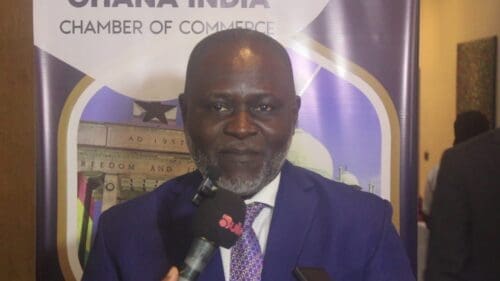
The Ghana-India Chamber of Commerce (GICC) has urged Ghanaian businesses, particularly importers and exporters, to take advantage of emerging opportunities arising from the Chamber’s growing collaboration with Indian business organisations to expand their operations and access new markets.

The President of the GICC, Dr. Kwabena Ekremet, said the Chamber was committed to creating practical opportunities for Ghanaian enterprises to connect with Indian companies and explore new avenues for trade, investment and commercial growth.

Dr. Ekremet made the remarks at a two-day Ghana-India Business-to-Business (B2B) Meet held in Accra and organised by the GICC in collaboration with the Federation of Indian Export Organisations (FIEO), with support from the High Commission of India in Ghana.

Some Participants At The Engagement

The event brought together more than 200 Ghanaian business executives from across the country to explore opportunities for trade, investment, strategic partnerships and long-term commercial cooperation. It also provided a platform for a visiting Indian business delegation to showcase opportunities across various sectors and engage directly with potential Ghanaian partners.

Dr. Ekremet encouraged Ghanaian businesses not only to join the Chamber but also to actively utilise its network and programmes to unlock new opportunities.

He described the B2B engagement as a significant step toward revitalising and strengthening economic and business relations between Ghana and India.

“The Chamber has come to stay, and we are committed to ensuring that Ghanaian businesses benefit from the opportunities available through our partnership with India,” he said.

The Joint Director of FIEO, Mr. Manish Sharma, described the engagement as productive and reaffirmed India’s commitment to deepening commercial cooperation with Ghana.

He encouraged Ghanaian entrepreneurs and businesses to explore opportunities available in India, noting that stronger business linkages could pave the way for mutually beneficial partnerships and investments.

The Board Chairman of the GICC, Mr. David Brian Obro, also expressed satisfaction with the outcome of the conference, describing it as fruitful and promising..

Some Interactions At The Forum

He assured participants that future engagements would be larger and more impactful, adding that the Chamber remained focused on promoting trade and business relations between Ghana and India.

“Our commitment is to create platforms that connect businesses from both countries and facilitate sustainable commercial partnerships,” he said.

The Indian High Commissioner to Ghana, H.E. Surinder Bhagat, underscored the importance of the B2B meeting, stating that it had provided an opportunity for businesses from both countries to understand each other’s needs and identify areas for collaboration.

According to him, more than 15 Indian companies participated in the engagement, representing diverse sectors of the economy.

He expressed optimism that interactions between Ghanaian and Indian businesses would result in new partnerships and increased commercial activity.

Some Of The Engagements At The Forum

Mr. Bhagat further highlighted Ghana’s strategic location and its role as host of the African Continental Free Trade Area (AfCFTA) Secretariat, noting that these advantages position the country as an important gateway to the West African market.

He therefore encouraged businesses from both countries to take advantage of available opportunities and work together to strengthen their commercial presence across the region.

Some Ghanaian participants described the initiative as timely and important for businesses seeking credible international partners and access to quality products and services.

Mr. Emmanuel Ledi, a businessman and building materials importer based in Ho and Dzodze in the Volta Region, commended the initiative and stressed the need for stronger business relationships between Ghanaian and Indian companies.

Similarly, the Chief Executive Officer of Kaliber Partners Ghana and the United States, Ms. Agnes Aacht Hayfron-Benjamin, called for deeper collaboration between the GICC and FIEO.

She urged organisers to adopt broader and more strategic approaches for future events to ensure that businesses in other regions of Ghana also benefit from opportunities created through the partnership.

Established in 2013, the Ghana-India Chamber of Commerce was created to promote trade and business relations between Ghana and India.

However, the Chamber faced a number of challenges over the years that limited the full achievement of its objectives.

Organisers indicated that the recent B2B engagement forms part of efforts to revitalise the Chamber’s activities and strengthen trade relations between the two countries with support from both governments and the business community.

They expressed confidence that the event would serve as a foundation for the Chamber’s renewed growth and expansion in Ghana, India, and beyond.

Ghana-India Trade Hits US$6.5bn As Businesses Push For Stronger Investment Partnerships

Trade between Ghana and India has surged from approximately US$3 billion in 2024 to about US$6.5 billion in 2025, representing a remarkable 170 per cent increase and underscoring the growing economic ties between the two countries.

The Chief Executive Officer of the Ghana Investment Promotion Authority (GIPA), Mr. Simon Madjie, said the significant growth in bilateral trade reflected the strength of Ghana-India economic relations and highlighted the substantial potential for further expansion, investment and trade diversification.

Mr. Madjie made the disclosure at a two-day Ghana-India Business-to-Business (B2B) Meet organised in Accra by the Ghana-India Chamber of Commerce (GICC) in collaboration with the Federation of Indian Export Organisations (FIEO), with support from the High Commission of India in Ghana.

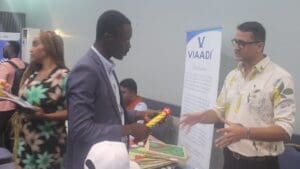
A Ghanaian Business Woman Interacting With One Of The Indian Representatives At The Forum
A Ghanaian Businesswoman Interacting With One Of The Indian Representatives At The Forum

The event brought together more than 200 Ghanaian business executives from Accra, Takoradi, Koforidua, and other parts of the country to explore opportunities for trade, investment, strategic partnerships, and long-term commercial cooperation.

The conference also provided a platform for a 20-member Indian multi-product business delegation to engage directly with Ghanaian buyers, importers, and potential business partners.

The Indian delegation, supported by the High Commission of India and other partner institutions, represented more than 15 sectors, including pharmaceuticals and healthcare, engineering, machinery, electricals and electronics, chemicals, automobiles and automotive components, textiles, food and agricultural products, construction materials and digital solutions.

Mr. Madjie disclosed that Ghana’s exports to India rose from US$1.7 billion in 2024 to US$5.2 billion in 2025, with gold accounting for approximately 85 per cent of total exports.

Other major exports, he said, included petroleum oils, cashew nuts, oil seeds, and timber products.

A B2B Engagement Between A Ghanaian Importer And An Indian Manufacturer

India’s exports to Ghana, meanwhile, consisted largely of manufactured products, including machinery, mechanical appliances, vehicles, pharmaceutical products, plastics and plastic articles, iron and steel products, and chemicals.

According to Mr. Madjie, GIPA has recorded more than 1,000 Indian-related investment projects between 1994 and 2026, representing an estimated foreign direct investment value of approximately US$12.07 billion.

The investments span key sectors such as manufacturing, agriculture, services, construction, general trading, and export trading.

He noted that the next phase of Ghana-India economic cooperation should focus on increasing investment in productive sectors, promoting value addition and exports, and deepening technology transfer.

“While these figures demonstrate the strength of Ghana-India economic relations, they also point to considerable untapped potential,” he said.

A Sample Of The Indian Products On Display At The Forum

Mr. Madjie further indicated that Ghana continues to offer an attractive destination for investors through its pro-investment policies, investment incentives, and stable institutions. He added that Ghana’s strategic position and access to the African Continental Free Trade Area (AfCFTA) market provide investors with a gateway to the wider African continent.

The Indian High Commissioner to Ghana, H.E. Surinder Bhagat, described the B2B engagement as an important opportunity for businesses from both countries to better understand each other’s needs and establish mutually beneficial partnerships.

He noted that India remains one of the world’s fastest-growing economies and has continued to expand its business presence across Africa. Ghana’s strategic location and its status as host of the AfCFTA Secretariat, he added, make the country an attractive destination for Indian investors.

According to the High Commissioner, Indian companies are keen to explore Ghana’s market and use the country as a gateway to the West African sub-region.

Mr. Bhagat said the Indian delegation reflected a broad mix of businesses, including healthcare providers, pharmaceutical firms, specialised chemical manufacturers, textile companies and other industrial operators.

He expressed optimism that the engagements during the two-day conference would enable participating businesses to identify suitable partners and develop practical solutions for expanding commercial activities between the two countries.

The High Commissioner further noted that bilateral trade had already approached US$8 billion, stressing the importance of diversifying the trade basket beyond the commodities that currently dominate Ghana’s exports to India.

“Ghana has much more to offer Indian businesses beyond the commodities currently driving exports,” he said.

Mr. Madjie said the presence of the Indian business delegation in Ghana presents an opportunity for both countries to translate their longstanding diplomatic relations into stronger commercial partnerships, increased investment, and enhanced economic cooperation.

He expressed confidence that the Ghana-India B2B Meet would strengthen direct engagement between businesses from both countries and create new opportunities for partnerships in sectors with significant commercial and industrial potential.

The event forms part of broader efforts by Ghana and India to deepen economic cooperation, stimulate investment, promote technology transfer and enhance trade relations for mutual growth and development.

A century-old bond between an American family and China’s Qinghai province

0

By Gong Shijian, Qiao Dong, Jiang Meng, People’s Daily

On Sept. 10, inside his home in Springfield, Missouri, 95-year-old David Victor Plymire carefully opened Imprints, a cherished photo album. One image, captured in 1942, depicted a sweeping vista of Dangar Ancient Town in Huangyuan county, northwest China’s Qinghai province, with six children standing on a hillside.

“That’s me.” David recalled during a video call, effortlessly switching into the local Huangyuan dialect. “I was just a teenager then. No matter where life takes me, I’ll always consider myself a son of Huangyuan.”  

On the other end of the screen lay Huangyuan, Qinghai. Wang Shikang, former president of Huangyuan county people’s hospital, greeted him warmly in the local dialect: “Brother David, the mutton is all set for your return.”

David’s eyes softened, and his voice caught. “Every quiet moment reminds me of everyone here. I miss you all deeply.”

In Huangyuan, David is a beloved local figure, affectionately known as “Mr. Big-Nose.” His story has endured across generations, even inspiring a children’s rhyme that residents still sing today.

The nickname belies a deeper truth: a cross-cultural friendship spanning more than a century and two generations of an American family.

The story began in 1932, when one-year-old David crossed the Pacific with his father, Victor Plymire, arriving in Huangyuan. Victor had first come to China in 1908. After years spent across Gansu and Qinghai provinces, he ultimately chose Huangyuan as his permanent home.

To the residents of Huangyuan, Victor was never seen as an outsider. Modest and genuine, he embraced local customs, diligently learned both Mandarin and the Tibetan language, applied his training in Western medicine to offer free healthcare to communities of diverse ethnic backgrounds.

David spent his formative years in Huangyuan. Its landscapes, flora, streets, and hills were etched into his memory like second nature.

Decades later, he relocated with his family, living in Hong Kong and other parts of China for over thirty years before finally settling in Missouri in the United States.

Yet for David, the eastern foothills of the Qinghai-Xizang Plateau, where the Huangshui River originates, have always been home. The farther he drifted, the stronger his sense of belonging grew.

In 1987, after 38 years abroad, David returned to Huangyuan. Walking familiar streets and reuniting with old neighbors and friends, he felt an immediate urge to give back to the place that shaped him.

“He toured numerous facilities and quickly focused on hospitals desperately in need of modern medical equipment,” recalled Li Lin, former head of Huangyuan health bureau.

In March 1989, David and his sister, Mary Ann, purchased an ultrasound machine in Hong Kong for HK$ 150,000 (about $19,100), a critical gap for the county hospital. With commercial shipping unavailable at the time, David personally transported the unit, flying it from Hong Kong  to Xi’an, Shaanxi province, and then on to Huangyuan.

Over the next three decades, David crossed the Pacific more than twenty times. Whenever he had funds to spare, his thoughts invariably turned to supporting the hospital.

“Contrary to what some might assume, David was never wealthy,” Wang noted. “Every dollar he donated was raised through personal networks, charitable foundations, and private contributions”.

By 1999, David funded a $350,000 CT scanner for the county hospital — a significant luxury for a facility of its level at the time. 

“We urgently needed one, but the cost was so prohibitive that we hesitated to even ask,” Li admitted. Once aware of the hospital’s needs, David embarked on a fundraising campaign. By June 2000, the CT scanner had arrived in Huangyuan, making the county hospital one of only a handful of regional facilities equipped with such technology.

Li also recalls accompanying David on visits to several township clinics. 

“Clinic conditions were rudimentary,” he explained. “Residents with even minor ailments often had to travel to the county seat — or sometimes the provincial capital — for basic exams. It was time-consuming and expensive. David was visibly moved by what he witnessed.”

“He didn’t dwell on it. Instead, he quietly raised $10,000 and donated four ultrasound machines to four separate township clinics.” Through these efforts — and with contributions from family and friends — David has helped donate over 6 million yuan ($895,836) worth of medical equipment to Huangyuan County. The shipments included ultrasound units, gastroscopes, ECG monitors, automated hematology analyzers, and anesthesia machines.

During a recent video conference, Huang Jiong, the current director of Huangyuan county people’s hospital, shared a telling statistic: the facility now serves 300,000 outpatient visits annually, despite a county having a population of just over 100,000.

“That capacity exists because of your unwavering support and generosity,” Huang told David.

When a People’s Daily journalist asked what had sustained him through the decades, David’s response was simple yet profound. “It’s a quiet conviction in my heart — I have to keep doing this, because these people are my family,” he said. “Some call my work a great contribution to my adopted hometown. I don’t see it that way. It’s not charity; it’s responsibility. It’s simply the right thing to do.”

Today, David’s legacy is formally woven into the hospital’s archives. According to Huang, hearing his story is the very first orientation given to every new staff member.

The hospital is also preparing to open a dedicated museum chronicling its evolution, where David’s donated equipment, decades of correspondence, and vintage photographs will be permanently exhibited.

Yet David’s impact extends far beyond medical infrastructure. Recognizing the transformative power of education for children on the plateau, he facilitated partnerships with international educators and organized English-language training programs for local primary and secondary school teachers.

His father, Victor, was also a gifted photographer. Over the years, he documented hundreds of images capturing daily life, culture, and landscapes across Gansu, Qinghai, and Xizang autonomous region.

David has since donated hundreds of these historically significant photographs to Huangyuan county. They formed the foundation of Imprints, a published photo album that has since been archived in China’s national documentary collections. Thanks to Victor’s lens, the visual history of this western Chinese county has been preserved for nearly a century.

Tragedy struck in 1927, when Victor’s first wife and their young son, John, succumbed to smallpox in Huangyuan. They were laid to rest on a northern hillside. 

In 2016, David’s sister Mary Ann passed away in Canada. Before her death, she expressed a heartfelt wish: to have her ashes returned to Huangyuan. Her family fulfilled that request, bringing her remains to the county.

During the call, the journalist shared that local residents have consistently maintained the family gravesite over the years. A tree, planted alongside the resting place, has grown tall and strong.

“That tree stands as a living symbol of China-American friendship,” the journalist remarked. “It reflects the enduring bond between Huangyuan and your family. May it continue to thrive, just as your connection has.” David’s voice caught, overcome with emotion.

“Thank you to the people of Huangyuan for taking such good care of the cemetery. I’m very grateful,” he said.

Now 95, David is no longer able to return to Huangyuan because of his physical condition. But whenever he speaks by phone with his old friends there, his fluent Huangyuan dialect instantly brings back the unmistakable flavor of home.

From Victor’s arrival on Chinese soil in 1908 to David’s virtual “return” to his hometown of Huangyuan in 2026, two generations and more than a century have passed, but the longing for home across the Pacific has never faded.

Chinese scientists discover lightest, shortest-orbit binary neutron star system 

0

By Wu Yuehui, People’s Daily

A team led by Han Jinlin, a researcher at the National Astronomical Observatories of the Chinese Academy of Sciences, has made a major discovery using the ultra-high detection sensitivity of China’s Five-hundred-meter Aperture Spherical Radio Telescope (FAST). 

The team detected pulsar J1856−0039, part of a binary neutron star system in a compact orbit. This system boasts an extremely short orbital period and is the lowest-mass binary neutron star system known to date.

The finding, based on multiple precise observations, provides a stringent test of general relativity and offers a new target for studying extreme astrophysical phenomena, the nature of gravity, and the origins of chemical elements in the universe. The research was recently published in Physical Review Letters.

Neutron stars are extremely dense remnants formed when massive stars collapse at the end of their lives. Their remarkably precise and stable rotations have earned them the nickname “cosmic clocks.” 

A binary neutron star system consists of two neutron stars orbiting each other and is an exceptionally rare type of celestial system. Such systems form through two successive supernova explosions and eventually evolve toward a merger through the emission of gravitational waves. 

They are thought to be important sources of heavy elements such as gold and platinum, and they serve as natural laboratories for studying matter at extreme densities, testing general relativity, and probing the mechanisms behind supernova explosions.

As the world’s most sensitive single-dish radio telescope, FAST has exceptional capabilities for detecting pulsars. Using a snapshot observing mode independently developed by the team,  researchers have conducted a large-scale, systematic search for pulsar systems along the Galactic plane and have discovered about 900 new pulsars to date. Continued precision follow-up observations have enabled the team to identify a number of unusual celestial systems, including pulsar J1856−0039.

Observations show that the system has an orbital period of just 2.36 hours, making it the second-shortest known orbital period among binary neutron star systems. Such a short orbital period means that the two neutron stars are separated by a very small distance and orbit each other in an extremely compact configuration. As a result, relativistic effects in this system are among the most pronounced of any known double neutron star system.

The system also sets a new lower limit for the total mass of a binary neutron star system. With a combined mass of just 2.488 times that of the Sun, it is the lightest binary neutron star system ever recorded. 
The visible pulsar has a mass of about 1.30 solar masses, while its companion neutron star has a mass of about 1.19 solar masses. The companion ranks among the lightest neutron stars known worldwide and is close to the theoretical minimum mass, providing an opportunity to more precisely probe the physics of supernova explosions.

According to the team’s modeling, the two neutron stars will merge in about 82 million years, most likely forming a more massive neutron star. This unusual evolutionary pathway is important for addressing questions about the equation of state of matter inside neutron stars and for exploring the origins of heavy elements such as gold and platinum in the universe.

Han said that, combined with precisely measured neutron star masses, long-term observations and studies of pulsar binary systems can provide key constraints for addressing frontier questions in science, including the nature of matter inside neutron stars and the fundamental properties of gravity in spacetime.

China’s continued opening-up fuels shared growth opportunities 

By He Yin, People’s Daily

The 23rd China-ASEAN Expo and the China-ASEAN Business and Investment Summit opened on Sept. 17 in Nanning, south China’s Guangxi Zhuang autonomous region. 

The venue brimmed with vitality. Stalls showcasing regional specialties such as durians, coffee, and intricately carved rosewood crafts drew steady crowds. At a special Pinglu Canal exhibition area, merchants from ASEAN nations learned about this river-sea “golden waterway.” An “AI superstore” featured over 70 enterprises presenting more than 500 consumer AI products, which visitors could test and purchase right on site.

This vibrant gathering offered a vivid illustration of the expo’s theme “CAFTA (China-ASEAN Free Trade Area) 3.0 Opportunities, Better Life.” The high value of China’s opportunities is translating into tangible gains for people across China and ASEAN.

This year marks the fifth anniversary of the establishment of the China-ASEAN comprehensive strategic partnership and the 35th anniversary of China-ASEAN dialogue relations. Over the past 35 years, ties between China and ASEAN have developed by leaps and bounds, from the establishment of dialogue relations to the building of a closer China-ASEAN community with a shared future, driving sustained expansion and upgrading of cooperation across a wide range of areas.

China has been ASEAN’s largest trading partner for 17 consecutive years, while ASEAN has held the same position for China for six years. In the first eight months of this year, trade between China and ASEAN reached 5.95 trillion yuan ($890 billion), up 20.6 percent year on year. Mutually beneficial cooperation keeps reaping greater rewards, bringing tangible gains to over 2 billion people on both sides.

The expo this year coincided with the inauguration of the Pinglu Canal, a nationally coordinated infrastructure milestone. As the first river-to-sea canal project planned and coordinated at the national level since the founding of the People’s Republic of China in 1949, it represents a major breakthrough in regional connectivity and has been described by overseas media as a new “logistics lifeline” linking China and ASEAN.

The combined opportunities of the expo as a “golden platform” and the canal as a “golden waterway” are helping two-way exchanges between China and ASEAN pick up speed.

This year is also a crucial year for accelerating the implementation of the upgraded CAFTA 3.0 protocol signed last year. Focusing on the new opportunities brought by CAFTA 3.0, this year’s expo has expanded its exhibition areas for the digital economy and green and low-carbon development, added a dedicated “AI + finance” section, and for the first time set up an “AI marketplace” and held a China-ASEAN AI matchmaking event.

High-tech products such as AI glasses, household AI robots, and photovoltaic cleaning robots have become new attractions at the expo.

Cooperation in areas such as digital economy, green economy, blue economy and AI is closely aligned with the development and transformation needs of ASEAN countries and is emerging as a new highlight of China-ASEAN cooperation.

According to data from the China Association of Automobile Manufacturers, China exported 2.355 million new energy vehicles in the first half of 2026, up 120 percent year on year, with strong demand and robust performance in ASEAN markets. China’s computing infrastructure and AI services are also expanding into ASEAN markets at a faster pace, helping local businesses lower the barriers to AI adoption.

The benefits of China’s high-quality development and high-standard opening up continue to spread, creating new space and generating fresh momentum for China-ASEAN cooperation.

Since September, a series of major events showcasing China’s opening up have been held one after another.

The 21st China International Small and Medium Enterprises Fair was held in Guangzhou, south China’s Guangdong province, with an aim to empower small and medium-sized enterprises with AI and provide Chinese and foreign small and medium-sized enterprises with a targeted platform for matching supply with demand.
The 26th China International Fair for Investment and Trade concluded in Xiamen, southeast China’s Fujian province, bringing together businesspeople from 129 countries and regions to explore ways to expand two-way investment and promote global development.

The 2026 China International Fair for Trade in Services also concluded in Beijing, where more than 200 new achievements were unveiled, over 100 products and services made their global or national debuts, and 200 forums, meetings and business matchmaking and promotion events were held in succession, highlighting the growing international influence of Chinese services.

Through these major events, the international community has witnessed China’s resolute strides in advancing high-standard opening up, and felt the robust momentum that China’s new quality productive forces are injecting into global growth.

Against the backdrop of a complex and volatile international landscape, the rougher the seas, the more important it is for all sides to strengthen the bonds of cooperation and promote a universally beneficial and inclusive economic globalization.

Through concrete actions, China is sending a clear message to the world: China will continue to pursue high-quality development, expand high-standard opening up, share opportunities with countries around the world and work together to create greater prosperity.

AfCFTA Secretariat Launches North Africa SME Booster Programme In Tunisia

0

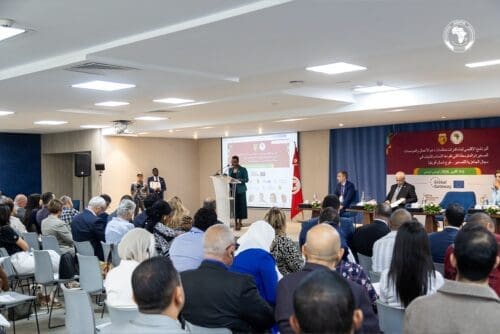
The AfCFTA Secretariat has launched the North Africa Regional Cohort of the SME Booster Programme in Tunis, Tunisia, aimed at strengthening the capacity of Small and Medium-sized Enterprises (SMEs) to participate more effectively in intra-African trade.

The programme provides SMEs and Business Support Organisations (BSOs) with practical tools and knowledge in key areas including export readiness, standards, digital trade, access to finance, logistics and market access.

Speaking at the opening, H.E. Samir Abid, Tunisia’s Minister of Trade and Export Development, underscored the importance of increasing trade among African countries to build stronger and more resilient economies across the continent.

The North Africa Regional Cohort places particular emphasis on helping businesses develop the practical capabilities required to move beyond their domestic markets and take advantage of commercial opportunities elsewhere on the continent.

Preparing SMEs for Cross-Border Trade

For many SMEs, entering new markets requires more than having competitive products and services. Businesses must understand export procedures, meet relevant standards, identify suitable markets, secure financing and navigate logistics and other cross-border requirements.

The SME Booster Programme seeks to address these practical challenges by strengthening the readiness of participating enterprises and the organisations that support them.

Its focus on export readiness is intended to help businesses better prepare for expansion into new markets, while the emphasis on standards recognises the importance of meeting applicable requirements when trading across borders.

The programme also addresses digital trade, reflecting the growing importance of technology and digital platforms in connecting businesses with customers and commercial opportunities across Africa.

Access to finance and efficient logistics are equally critical to the ability of SMEs to scale their operations and enter new markets. By bringing these elements together with market-access support, the programme provides participating businesses with a more comprehensive approach to preparing for cross-border trade.

Building Stronger African Businesses

The inclusion of Business Support Organisations is also significant. These organisations play an important role in providing SMEs with information, technical assistance and other services required to navigate increasingly competitive markets.

Strengthening both businesses and the institutions that support them can help create a more sustainable ecosystem for SME participation in regional trade.

The launch of the North Africa Regional Cohort also reinforces efforts to ensure that enterprises from across the continent are equipped to participate meaningfully in Africa’s growing integrated market.

SMEs remain an important part of Africa’s productive and commercial landscape. Expanding their ability to reach customers beyond national borders can create new business opportunities, strengthen regional value chains and contribute to greater intra-African trade.

For participating businesses in North Africa, the SME Booster Programme therefore represents an opportunity to sharpen their export capabilities, strengthen their competitiveness and develop the knowledge required to access markets across the continent.

As emphasised at the launch in Tunis, increasing trade among African countries is ultimately about building stronger, more connected and more resilient African economies, with SMEs playing a central role in that transformation.


A friendship that blossoms in the Mu Us Desert

0

By Li Zhiwei, Wang Yuan, Bai Ziwei, People’s Daily

In Pennsylvania, the United States, the Allegheny River winds through Pittsburgh. Just east of the city lies the township of Plum, where Ronald Sakolsky, known to his Chinese friends as “Sai Kaosi,” has called home for many years.

“Part of my heart is still in China.” Upon returning recently from a trip across the Pacific, Sakolsky found it difficult to hide how deeply he missed the country.

His living room is filled with mementos from his travels. The sofa is covered with photos he brought back from his trip. But his most treasured keepsake is a large cross-stitch embroidery presented to him by Yin Yuzhen. Green leaves symbolizing peace surround a globe, with China and the United States stitched in different colors. The Chinese characters meaning “one earth, one dream” capture the deep friendship that has grown between Sakolsky and Yin over more than two decades.

“Yuanfen” — a special bond or sense of destiny — is the word Sakolsky repeatedly uses in Chinese when talking about his story with China. “It’s all yuanfen,” he said.

In 1999, at the age of 40, Sakolsky was a history teacher at a middle school in Pennsylvania. By chance, he came to Luoyang, central China’s Henan province, to teach through a China-U.S. teacher exchange program.

One day in October that year, he turned on the television as usual to watch the news. On the screen was a vast stretch of desert, where a petite Chinese woman from a rural area was carrying a bundle of tree saplings taller than she was. And that woman was Yin Yuzhen.

“I suddenly burst into tears,” he recalled. Deeply moved by what he saw, he thought, “I have to do something.”

For the next two months, Sakolsky searched everywhere for a way to make a donation. Eventually, he found a charitable organization willing to provide $5,000 with no conditions attached. Sakolsky insisted that every cent of the money go toward helping Yin plant trees.

In the spring of 2000, Sakolsky traveled to the Mu Us Desert in the Inner Mongolia autonomous region in north China. As he watched Yin plant the frail-looking saplings, he could not help wondering: Could a desert really be turned into a forest? It seemed impossible.

The second day after returning to China in August this year, he stood in the forest that had been planted with the $5,000 donation. Yin had named it “Sai Kaosi Forest.”

The dream he had once thought impossible had become a reality. More than 50,000 trees now grow there, forming a vast forest.

At the airport, he and Yin embraced in tears after 26 years apart. The following day, they planted another evergreen tree together as a symbol of their friendship.

“I have hugged Americans, and I have hugged Chinese. The feeling is the same,” Sakolsky said repeatedly after his latest trip to China.

Since returning home, he has been sharing his experiences online and reconnecting with old friends. Last week, he spoke to about 50 neighbors in his community, and soon he plans to address nearly 1,000 residents in Pittsburgh.

“We’ve sparked a flame of people-to-people exchange. Now, we just need to keep it burning,” he said.

He picked up a photo taken during his trip to China, showing him and Yin leaning against each other’s shoulders and embracing in tears.

“If I had to choose one photo to represent the friendship between the American and Chinese people, it would be this one,” he said. “This photo tells the whole story. It captures everything about this friendship.”

“The American and Chinese people share the same basic human goodness. Both have kindness in their hearts,” Sakolsky said.

In his view, Chinese and Americans both love their families, hope their children can have better lives, cherish peace and want to make the land beneath their feet a better place. These shared values matter far more than the differences brought about by nationality, he said. They form the simplest and most genuine foundation for people-to-people exchanges between China and the United States.

Outside the window, two newly planted green plants stand side by side on the lawn in front of Sakolsky’s, with the national flags of China and the United States fluttering nearby.

He said he had deliberately planted the two flowers in the front yard as a symbol of his hopes for friendship, peace and the protection of the shared planet.

“People-to-people friendship works. Our story will continue, just like the forest in the Mu Us Desert thousands of miles away, growing year after year,” Sakolsky said.

Stories of people coming to know and understand one another will continue to cross the ocean, putting down new rings of growth, one after another

AfCFTA Moves To Turn Africa’s Agricultural Potential Into Greater Intra-African Trade

0

Africa produces a significant range of agricultural products. The opportunity now is to ensure that more of what the continent produces is traded within Africa, strengthening regional value chains, attracting investment and expanding intra-African agricultural trade.

The African Continental Free Trade Area (AfCFTA) Agri-Trade Action Plan is seeking to advance this objective by identifying priorities for strengthening agricultural trade across the continent.

As part of efforts to move from priorities to implementation, a Continental Technical Consultation on the Implementation Roadmap of the AfCFTA Agri-Trade Action Plan is underway.

The consultation brings together Member States, Regional Economic Communities (RECs), Development Partners, the Private Sector and Technical Experts to translate the priorities identified under the Action Plan into a costed and actionable implementation roadmap.

The process places particular emphasis on developing stronger regional agricultural value chains and creating greater opportunities for African producers and businesses to access markets across the continent.

Nine Priority Value Chains

The AfCFTA Agri-Trade Action Plan focuses on nine priority value chains, covering key agricultural products produced and consumed across Africa. These include maize, rice, fruits and vegetables, meat, fish, cashew and cotton, among others.

By prioritising these value chains, the initiative seeks to create stronger connections between agricultural production, processing, investment and markets across African countries.

The broader objective is to increase the amount of agricultural produce traded within the continent and enable African farmers, producers, processors and businesses to benefit more directly from the opportunities created by the AfCFTA.

Strengthening regional value chains can also help connect agricultural producers in one African country with processors, distributors and consumers in another, supporting the emergence of more integrated African markets.

From Priorities to Implementation

The ongoing technical consultation represents an important step towards converting the priorities of the Agri-Trade Action Plan into practical interventions.

The involvement of governments, RECs, development partners, private-sector actors and technical experts is intended to ensure that the implementation roadmap identifies clear actions as well as the resources required to deliver them.

The emphasis on a costed and actionable roadmap also reflects the transition from identifying what needs to be done to determining how those priorities can be implemented.

At the centre of the initiative is a straightforward proposition: Africa produces, and Africa has an opportunity to trade more of what it produces within its own borders.

Through stronger regional value chains, increased investment and expanded intra-African agricultural trade, the AfCFTA Agri-Trade Action Plan seeks to help translate Africa’s agricultural productive capacity into greater continental market opportunities.

The direction is clear: from priorities to implementation, and from the farm to the African market.

A Decade of Growth: China-Europe Freight Rail Trips Surge 10.8-Fold

0

By Li Xinping, People’s Daily 

This year marks the 10th anniversary of the China-Europe Railway Express operating under a unified brand. Over the past decade, the service has completed more than 130,000 journeys, transporting cargo valued at over $520 billion. What began as a regional freight initiative has evolved into a globally recognized logistics network.

Why has the China-Europe Railway Express developed so rapidly? Its unified brand has been crucial.

When the inaugural China-Europe freight train departed Chongqing in 2011, followed by subsequent services from Wuhan, Hunan, and Zhengzhou, growth was steady but fragmented. Annual departures rose from 80 in 2013 to 815 in 2015. 

However, independently operated local services led to duplicated efforts, elevated costs, inconsistent standards, and weak market recognition — bottlenecks that threatened further scaling.

On June 8, 2016, the China-Europe Railway Express officially launched its unified brand. Featuring a streamlined emblem that combines railway and silk motifs in red and black, the new identity standardized train naming, visual design, and marketing across all participating regions.

By consolidating resources and aligning operational protocols, the network significantly strengthened its overall competitiveness. Annual train journeys jumped from 1,702 in 2016 to 20,022 in 2025 — a 10.8-fold increase, reflecting an average annual growth rate of 31.5 percent. 

Today, the China-Europe Railway Express is increasingly recognized by countries along its routes for its advantages of speed, punctuality, safety, reliability, and environmental sustainability.

Connectivity remains the foundation of modern logistics. With unified branding and planning, service now operates three primary corridors — western, central, and eastern — spanning        96 scheduled routes at an average speed of 120 km/h.

At present, 129 Chinese cities connect to 236 cities in 26 European countries. Compared to 2016, the network has expanded by 113 cities domestically and 216 internationally, effectively covering much of the Eurasian landmass and providing a reliable backbone for cross-border trade.

Efficiency drives competitiveness. Transit speeds have been consistently optimized: trains cover approximately 1,600 km daily on Chinese territory and 1,000-1,300 km overseas, making them roughly one-third faster than conventional rail-sea intermodal alternatives. 

Capacity has also scaled up; upgraded rolling stock now supports trains of up to 55 cars and a maximum trailing weight of 3,000 tons, enabling heavier loads without compromising speed. 

Customs clearance has also become more efficient. In recent years, with the adoption of a “railway express” customs clearance model and the development of digital ports, customs clearance at China-Europe freight train ports has been reduced to as little as 30 minutes.

To simplify the supply chains, the service offers a centralized digital portal for end-to-end logistics management. For example, a Hangzhou-based equipment manufacturer executive recently used the platform to coordinate door-to-door transport, customs declaration, and integrated logistics. His shipment, dispatched from Zhengzhou, reached central Europe in just 17 days. Upon arrival, customer service teams remotely guided overseas partners through unloading to ensure a secure and efficient handover.

The model’s flexibility proved critical during a recent urgent shipment handled by a Xi’an-based logistics operator. A European chemical manufacturer needed 310 containers (18,600 tons) of raw materials delivered within 35 days. Ocean freight would take 45 to 60 days, while trucking would require over 600 vehicles and expose costs to volatile fuel prices.

“The China-Europe Railway Express took just 10 to 20 days for the full journey and had a large carrying capacity. It reduced total logistics costs by 29 percent, ensuring that the overseas chemical enterprise could start production on schedule,” said Su Lu, general manager of the Xi’an company.

As operations matured, transportation costs along both domestic and international segments have dropped by more than 40 percent since launch. Cargo diversity has expanded dramatically:  trains now carry goods across 53 categories, covering more than 50,000 types of products. High-value-added goods, including automobiles and auto parts, machinery equipment, and  electronics dominate outbound shipments, while inbound cargo includes timber, pulp, specialty agricultural products, and consumer goods.

Today, the China-Europe Railway Express continues to evolve.

On June 24, the first “zero-carbon” China-Europe freight train from the Yangtze River Delta successfully arrived at Yiwu West Railway Station in Zhejiang province. Operating under the Duisburg-Yiwu full-route timetable, the train used 100 percent green electricity on electrified sections. On non-electrified sections, it offset its remaining emissions through Gold Standard certified carbon offset projects, achieving net-zero carbon dioxide emissions during train operations.

As electrification upgrades continue along railway routes and clean transport vehicles, including new-energy heavy trucks, are increasingly deployed for cargo collection and distribution, the “steel camel caravan” spanning Eurasia is taking on an increasingly distinct green character.

After a decade of development, the “steel camel caravan” has grown far beyond a single transport route. With reliable capacity, efficient coordination and a commitment to green development, it has become a widely welcomed international public good.

Hermann Simon: China fuels global growth for “hidden champions” 

0

By Liu Zhonghua, People’s Daily

German management scholar Hermann Simon coined the term “hidden champions” to describe small and medium-sized enterprises (SMEs) that operate below the public radar yet dominate their niche markets — typically ranking among the top three globally in their sector. These firms are distinguished by deep specialization, relentless innovation, and a fundamentally global mindset.

Having visited China over 70 times and closely tracked its industrial evolution, Simon remains deeply optimistic about the vitality of its SME sector. In an exclusive interview with People’s Daily in Hasborn, Germany, he noted that China has systematically cultivated a new generation of “hidden champions” through a phased support framework tailored to different stages of enterprise development.

He spoke highly of China’s achievements in technological innovation, industrial upgrading, and through a phased support framework tailored to different stages of enterprise development. He emphasized that Chinese companies have already emerged as global innovators across several cutting-edge industries.

“The outdated notion that China merely replicates foreign technology no longer holds,” he said. “Chinese enterprises are now leading the way in innovation within multiple advanced fields.”

According to Simon, China’s approach centers on long-term strategic commitment. “The country guides its specialized firms to focus on foundational technologies and pursue continuous, incremental innovation. This disciplined approach is essential for overcoming core technological bottlenecks and securing dominant positions in global niche markets.”

He highlighted China’s five-year plans as a key driver of industrial clarity and strategic foresight. “Well-calibrated assessments of emerging sectors provide businesses with clear developmental pathways, showcasing strong institutional coordination,” Simon explained. 

Strategic top-down planning, he added, helps consolidate resources, foster fair competition, and nurture globally competitive leaders. Strategic top-down planning, he added, helps consolidate resources, foster fair competition, and nurture globally competitive leaders. For other developing nations seeking to industrialize, he suggested studying China’s long-term strategy: leveraging domestic strengths to target distinctive niche industries and cultivate high-value-added champion enterprises offers a practical, scalable model.

Beyond macroeconomic growth, Simon underscored the role of these specialized firms in advancing balanced regional development and shared prosperity. 

While large corporations typically concentrate in megacities, many “hidden champions” are rooted in counties, smaller cities, and townships.

He pointed to Shandong Moris Tech, based in Shouguang, east China’s Shandong province, which expanded its specialty chemical operations across regions while remaining rooted locally. “Nurturing these highly specialized enterprises distributes high-skilled jobs and value creation across broader urban and rural areas,” Simon observed. 

“This provides a viable pathway toward more equitable regional development and inclusive prosperity.” Simon also pointed to China’s unparalleled industrial ecosystem as a major competitive advantage. With over 2,000 German firms operating manufacturing facilities in the country, he noted that dense supply chains and clustered industrial parks remain powerful draws. 

“Comprehensive infrastructure, a vast talent pool of engineers, and a massive domestic market make China an ideal testing ground for advanced manufacturing technologies and their large-scale deployment,” he said. “Ignoring the Chinese market would mean forfeiting access to one of the world’s largest industrial hubs, which accounts for nearly one-fifth of global industrial output.”

He added that China’s resilient domestic demand offers multinational companies valuable medium- to long-term certainty.

Consequently, many German “hidden champions” have established R&D centers and integrated value chains in China, leveraging the country’s open, dynamic ecosystem to extend their corporate lifecycles.

China’s well-developed and open market is not only a growth engine for “hidden champions” worldwide, but also an important source of their core competitiveness, Simon said.

As competition intensifies across niche industries worldwide, greater coordination and collaboration among specialized companies in Europe and China could become an important force in reshaping the global industrial landscape, Simon said.

Two-way investment between Europe and China can help improve structural imbalances in trade and economic ties. As Chinese companies accelerate their localization efforts in Europe by establishing R&D and production bases and creating local tax revenue and jobs, economic and trade cooperation between China and Europe can evolve from one-way trade in goods toward joint industrial development, helping mitigate the risks posed by trade barriers.

Regular in-person exchanges can also strengthen business trust, stabilize expectations for industrial investment and help reduce misperceptions arising from geopolitical competition, Simon said.

Reflecting on the past two decades, Simon acknowledged that China’s manufacturing sector has undergone profound transformation. Many specialized enterprises have significantly upgraded their technological capabilities and product quality, successfully surmounting key innovation challenges.

Looking forward, he cautioned that Chinese companies still face hurdles in three areas: deepening their international footprint, building globally recognized brands, and executing localized overseas investments.

“I hope more Chinese manufacturers will expand into European and U.S. markets, achieving tangible progress in brand globalization; promote balanced and mutually beneficial industrial investment between China and Europe; and help preserve a stable, predictable global trade environment while safeguarding supply chain continuity,” Simon said.

“By deepening cooperation between Chinese and foreign real-economy sectors on the basis of openness, connectivity, mutual benefit and win-win outcomes, we can help safeguard the long-term stability and development of global industrial and supply chains,” he concluded.

Dorcas Affo-Toffey engages Nzema chief over coconut factory plan

0

The Member of Parliament for Jomoro in the Western Region, Dorcas Affo-Toffey, has engaged the Paramount Chief of the Western Nzema Traditional Area, Awulae Kwasi Amachie, together with prospective investors exploring plans to establish a coconut processing factory in the Jomoro Municipality.
The engagement forms part of efforts to attract strategic investments that can harness the economic potential of the area’s coconut industry while creating sustainable opportunities for residents.
During the meeting, the Jomoro MP, who is also the Deputy Transport Minister, highlighted the significant potential of coconut production in the area and the need to move beyond the export of raw agricultural produce by promoting local processing and value addition.
She noted that the proposed factory could provide a major boost to the local economy by creating jobs for young people, expanding markets for coconut farmers and improving livelihoods across communities in Jomoro.
The proposed investment is also expected to empower local farmers by providing a ready market for their produce, while supporting the development of a more integrated coconut value chain within the municipality.
Engagement with the traditional leadership was considered important in exploring how the investment could align with the development priorities and aspirations of the people of the Western Nzema Traditional Area.
The prospective investors are currently exploring the feasibility of establishing the processing facility, which could potentially transform locally produced coconuts into higher-value products for both domestic and international markets.
For Jomoro, which has considerable agricultural potential, the establishment of a coconut processing factory could represent an important step towards industrialisation, economic diversification and local value creation.
The MP reaffirmed her commitment to supporting initiatives capable of attracting responsible investment to Jomoro and creating sustainable economic opportunities for constituents.
She stressed the importance of collaboration among traditional authorities, investors, farmers, government institutions and other stakeholders to ensure that major investments deliver meaningful and lasting benefits to local communities.
The proposed project, if successfully realised, could also contribute to strengthening the local agricultural sector, reducing post-harvest losses and positioning Jomoro as an important hub for coconut processing and related industries.
The engagement with Awulae Kwasi Amachie and the prospective investors therefore marks an important step in exploring the potential of the project and building the necessary partnerships for its successful implementation.
The initiative reflects the broader vision of leveraging Jomoro’s natural and agricultural resources to create jobs, promote local enterprise and unlock new economic opportunities for the people of the municipality.

GICC B2B Programme Promotes Trade, Technology Transfer And Industrial Growth

0

The Ghana-India Chamber of Commerce (GICC) says its ongoing Ghana-India Business-to-Business (B2B) Programme is designed not only to facilitate trade between the two countries but also to promote technology and knowledge transfer as Ghana pursues its industrialisation agenda.

According to the Director of Protocol of the Ghana-India Chamber of Commerce, Mr. Victor Yao Nyakey, the two-day buyer-seller engagement provides a platform for Ghanaian businesses to interact directly with Indian manufacturers and suppliers while exploring opportunities for long-term commercial partnerships.

Speaking in an interview on the sidelines of the second day of the programme on Tuesday, October 6, Mr. Nyakey explained that the initiative was deliberately structured to connect Ghanaian businesses with their Indian counterparts.

“The programme is called the Ghana-India B2B Programme. B2B simply means business-to-business. It is designed to bring Ghanaian businesses together to meet with their Indian counterparts,” he said.

He noted that the Ghanaian participants comprise buyers and importers seeking opportunities in the Indian market, while the Indian delegation consists of manufacturers and suppliers looking to introduce Made-in-India products to Ghana and the broader African market.

Mr. Nyakey described the event as a buyer-seller forum that enables businesses from both countries to identify products, suppliers, and potential commercial partners.

Mr. Nyakey explained that the programme was organised by the Ghana-India Chamber of Commerce in collaboration with the Federation of Indian Export Organisations (FIEO).

He noted that FIEO, established under India’s Ministry of Commerce, plays a key role in supporting exporters and ensuring compliance with international trade requirements.

According to him, this partnership is particularly important for Ghanaian businesses seeking reliable suppliers and quality products from India.

“On the part of Ghana, we are making sure that Ghanaians get access to the right suppliers and the right products that they can source from India,” he said.

He added that the collaboration is intended to build confidence among Ghanaian businesses while facilitating access to credible Indian manufacturers and suppliers.

Beyond trade and investment, Mr. Nyakey identified technology and knowledge transfer as one of the programme’s most significant objectives.

He said Ghana’s drive to enhance local production and develop competitive industries requires collaboration with countries such as India, which have established strong manufacturing and industrial capabilities.

“The programme is also intended to serve as a platform for Ghana and India to strengthen their partnership in economic development, particularly in the areas of technology transfer, knowledge transfer and other sectors from which both countries can benefit,” he said.

He emphasised that Ghana’s industrialisation agenda aims to increase domestic production and reduce dependence on imports.

“As you know, the Government of Ghana is currently supporting economic development through industrialisation,” he stated.

Mr. Nyakey noted that as more Ghanaian companies enter the manufacturing sector, there is a growing need to learn from experienced industrial economies.

“We can manufacture things on our own and move from consumption to production. However, to achieve this, we must learn from advanced economies such as India and understand how they manufacture and produce these goods,” he said.

He added that the expertise and experience gained through such engagements could be adapted to support local industrial development.

Mr. Nyakey disclosed that the opening day of the programme brought together senior representatives from both countries, including India’s High Commissioner to Ghana, H.E. Surinder Bhagat.

According to him, the High Commissioner encouraged businesses from Ghana and India to deepen economic cooperation and pursue partnerships that create mutual prosperity.

The event also featured the Chief Executive Officer of the Ghana Investment Promotion Centre (GIPC), Mr. Simon Madjie, who highlighted Ghana’s investment opportunities and encouraged Indian businesses to increase their investments in Ghana and across Africa.

Mr. Nyakey said the presentation underscored opportunities arising from Ghana’s economic transformation and industrial development agenda, as well as the significant role Indian investors could play in that process.

Mr. Nyakey also highlighted remarks delivered by the President of the Ghana-India Chamber of Commerce, Dr. Kwabena E. Ekremet, who challenged participating businesses to take greater responsibility for developing and strengthening their enterprises.

According to him, Dr. Ekremet urged entrepreneurs not to remain passive but to build resilient and competitive businesses capable of attracting support from financial institutions and public-sector agencies.

He stressed that businesses must strengthen their operations and enhance their viability in order to qualify for financing and other forms of institutional support.

The programme further featured Mr. Manish Sharma, Joint Director of the Federation of Indian Export Organisations, who spoke about opportunities to deepen Ghana-India relations through greater participation of Indian businesses in Ghana’s economy.

Mr. Sharma encouraged Ghanaian companies to engage actively with Indian firms participating in the programme, understand their offerings and requirements, and explore potential partnership opportunities.

Mr. Nyakey described the two-day programme as successful and expressed optimism that it would lead to stronger business relationships and future engagements between companies from Ghana and India.

He stressed that the conclusion of the current programme should not mark the end of the relationship-building process but should instead serve as a foundation for expanded trade, investment and industrial cooperation.

According to him, the Ghana-India B2B Programme offers businesses from both countries an opportunity to move beyond traditional trading relationships and establish partnerships that support industrialisation, technology transfer, knowledge exchange and sustainable economic growth.

As Ghana seeks to strengthen domestic production and build globally competitive industries, the Ghana-India Chamber of Commerce believes closer cooperation with Indian manufacturers and businesses can provide local enterprises with access to the technology, expertise, products and knowledge required to drive that transformation.

Rival GH Brings Smooth, Sexy Energy To The Dancefloor With “Go Low”

0

Following the high-energy momentum of energy, the new track GO LOW by RLL Entertainment artiste, Rival GH arrives with a different kind of fire.

Built for the dancefloor, the song leans into a smoother, sexier and more groove-driven sound, creating the kind of rhythm that grabs your body before your mind has time to catch up.

According to the artiste, Go Low which features Aeko was created with one clear purpose and that is to make people move. “Go Low is pure energy. I made it for the dancefloor, for the girls who know how to move, for the party that never ends,” the artiste explains.

The production which was done by Brytbeatz and mixed by Smuchiz allows the groove to breathe, giving the beat a smooth quality that makes it easy to settle into.

GO LOW’s beat is designed to trigger an instinctive reaction. The kind where you hear the rhythm and immediately find yourself moving. You should also know that this is a clear Afrobeats/Amapiano/Afrofusion song for your listening pleasure.

The track also taps into the energy of women who own the dancefloor with confidence. With its smooth and sexy character, Go Low celebrates self-expression, movement and having a good time without overthinking the moment.

It is the soundtrack for the girl who knows the beat, knows the vibe and knows exactly how to move when her favourite song comes on. You should make it top of your playlist. Listen to it here https://ditto.fm/go-low-rival-gh

Apostle Collins Obeng-Agyare Launches Three Powerful Books in Seattle

0

Apostle Collins Obeng-Agyare, Christian leader, author and leadership coach, has launched three inspirational books in Seattle, Washington, including two new titles, The Mystery of a Name and The Complete Helmet, together with his earlier publication, Born a Leader.

The book launch, held on October 3, 2026, brought together pastors, church leaders, family members, friends and supporters to celebrate the author’s contribution to Christian literature, leadership development and spiritual growth.

The Mystery of a Name explores the spiritual and personal significance of names and identity. The book encourages readers to reject negative labels and embrace the identity, purpose and potential God has placed within them.

The Complete Helmet focuses on salvation and practical evangelism. The book presents salvation in a clear and understandable way and provides believers with a step-by-step approach to sharing the Gospel with others. Apostle Obeng-Agyare seeks to make evangelism simple, practical and accessible so that ordinary believers can confidently explain the message of salvation and lead others toward faith in Jesus Christ.

Rather than presenting evangelism as a responsibility reserved only for pastors or trained ministers, The Complete Helmet encourages every believer to understand the Gospel personally and become equipped to communicate it effectively.

His earlier book, Born a Leader, focuses on leadership, purpose, character and personal development. It encourages readers, particularly emerging leaders and young people, to recognize their potential and develop the qualities needed to positively influence others.

Speaking through his writings, Apostle Obeng-Agyare emphasizes that leadership is not merely about holding a position, but about discovering purpose, building character and making a meaningful impact.

The three books collectively address important areas of Christian and personal development: identity, salvation, evangelism and leadership.

Apostle Collins Obeng-Agyare is involved in Christian ministry, education and leadership development and is the founder of Christian Leadership Net-Work. He also serves in ministry through The Directed Path Chapel.

The Seattle book launch represents another milestone in his work as an author and Christian leader, as he continues to use teaching and writing to inspire people to discover their identity, understand salvation, share their faith and develop their leadership potential.

Community bank manager in court over alleged GH¢1m theft

0

The branch manager of Oyibi Area Community Bank PLC has pleaded not guilty at the Adentan Circuit Court to stealing GH¢1 million from the bank.

Adjetey Isaac Noi, 28, is charged with stealing. The prosecution says he moved the money through a dormant customer account that he had reactivated.

Presenting the facts, Chief Inspector Maxwell Lanyo said the complaint was brought by the Head of Audit and Inspection at ARB Apex Bank PLC, the umbrella bank for Ghana’s rural and community banks. He said an audit team visited the Oyibi branch on 28 September 2026 after receiving intelligence that fraudulent transactions were taking place there.

According to the prosecution, the auditors found that GH¢1 million had been transferred from the bank’s internal account into a customer account at the same bank. The audit team informed the bank’s head office, which directed that the matter be reported to the police.

The prosecution alleges that Noi reactivated the dormant account without the account holder’s consent and used it to pass the money on to accounts at other banks. It says he could not give a satisfactory explanation for the transfers when questioned by police. These allegations have not been tested at trial.

Defence counsel applied for bail, arguing that Noi was not a flight risk because he has a fixed address in Dodowa in the Greater Accra Region. The court, presided over by Angela Attachie, granted him bail of GH¢1 million with two sureties, who must justify it with landed property.

The case was adjourned to 17 February 2027.

WFP strongly condemns attack on trucks in South Kordofan, killing one driver

0

The United Nations World Food Programme (WFP) strongly condemns an aerial attack that hit two contracted trucks carrying WFP food commodities in South Kordofan in the early hours of Saturday, 3 October 2026.
One driver was killed in the air strike. We extend our deepest condolences to his family, friends and colleagues.

The contracted trucks were en route from Dilling to Kadugli and clearly marked as humanitarian vehicles. Additional details regarding the circumstances of the incident, including the extent of the damage to the food cargo, are still being collected.

WFP calls for a prompt and impartial investigation into this incident and for those responsible for any violations to be held accountable.

This latest attack comes only one day after a WFP truck struck an explosive device in Dilling, South Kordofan, after delivering lifesaving food assistance.

WFP urges all those involved in the hostilities to respect their obligations under international humanitarian law, protect civilians and civilian infrastructure, and ensure the safe and unimpeded movement of humanitarian personnel and cargo.

These incidents underscore the increasingly challenging security environment in Sudan and the risks that aid workers face when delivering life-saving assistance to communities in need. WFP remains committed to safely delivering life-saving assistance to millions of women, men, and children who depend on humanitarian support across Sudan.

Supreme Court explains rejection of Oppong Nkrumah vacation bid

0

The Supreme Court has set out why it refused to halt criminal trials during the legal vacation, with one justice writing that vacation warrants do not compel judges to proceed.

The court’s full reasons concern an application by Kojo Oppong Nkrumah, the former Information Minister and Member of Parliament for Ofoase-Ayirebi. A panel presided over by Justice Emmanuel Yonny Kulendi, sitting with Justices Richard Adjei-Frimpong and Gbiel Simon Suurbaareh, unanimously dismissed the application on 2 September 2026. The account of the reasoning below is taken from the full judgment as reported by The High Street Journal.

A warrant is not an instruction

In a concurring opinion, Justice Adjei-Frimpong said a warrant from the Chief Justice gives a judge authority to sit during the vacation and nothing more. Once a judge is sitting, he wrote, the conduct of a case is governed by Article 140(4) of the Constitution and the rules of court. Whether to adjourn a trial remains the trial judge’s own discretion, to be exercised as justice requires in each case.

He addressed the view, held by some judges, that their warrants required them to keep hearing cases until the warrants were revoked. Among the judges the Chief Justice authorised to sit as additional High Court judges were Justices Francis Apongabuno Achibonga and Charity Akosua Asem.

Attorney-General can represent the Chief Justice

The court rejected Oppong Nkrumah’s argument that the Attorney-General could not represent the Chief Justice in a case challenging the Chief Justice’s own administrative decisions. It held that the Chief Justice’s position as head of an independent arm of government does not, on its own, rule out such representation.

The court added that this is not an absolute rule. Representation must be refused where there is a conflict of interest or a threat to judicial independence, and each case must be judged on its facts. Here, it found that Oppong Nkrumah had shown neither. When he dismissed the original injunction application, Justice Gabriel Scott Pwamang had relied on the earlier case of Republic v Tsatsu Tsikata on the same point.

Why the review failed

The panel said its review power under Article 134(b) of the Constitution is reserved for exceptional circumstances that risk a miscarriage of justice, and is not a chance to reargue a lost application. It rejected the claim that Justice Pwamang had prejudged the main case. To decide whether there is a strong case of illegality, it said, a judge must look at the substance of the allegations at a preliminary level, without reaching final conclusions.

The court found that Oppong Nkrumah had not shown a real risk of irreparable harm, since declarations could still address any wrong if the main action succeeded. It said the public interest in deciding criminal cases quickly outweighed his arguments.

The case so far

Oppong Nkrumah filed his suit on 14 August 2026. He argues that warrants allowing selected judges to hear particular criminal cases during the vacation, which ran from 1 August to 30 September, amount to selective justice and breach Articles 17, 23, 24, 36(10) and 296 of the Constitution. Justice Pwamang, sitting alone, refused his injunction on 21 August.

Frank Davies represents Oppong Nkrumah. Deputy Attorney-General Dr Justice Srem-Sai appeared for the Attorney-General and the Chief Justice.

The ruling does not decide the main constitutional challenge, which remains pending before the Supreme Court.

UK-Ghana trade passes £1.6bn as summit seeks investment push

0

Trade between the United Kingdom and Ghana is worth about £1.6 billion a year, but officials from both countries say the real test of the relationship is the jobs and investment it creates.

Alastair Long, His Majesty’s Trade Commissioner for Africa, made that case at the UK-Ghana Chamber of Commerce’s (UKGCC) Trade and Investment Summit 2026. “What matters is what sits behind those numbers,” he said, pointing to the businesses, investment and livelihoods that trade supports. He said Ghanaian mangoes and bananas were already reaching British shoppers, and that future ties would lean more on technology, services, agriculture and investment.

The headline figure is not new. UK Department for Business and Trade data published in August 2025 already put two-way trade in goods and services at £1.6 billion, a rise of 2.4 per cent. When the two countries signed a new Growth Partnership in June 2026, the UK government said trade had grown 12.5 per cent since 2024, to around £1.6 billion.

Deputy Trade, Agribusiness and Industry Minister Sampson Ahi, speaking for Vice President Professor Jane Naana Opoku-Agyemang, pitched Ghana to investors as stable and predictable. He said the economy grew 6 per cent in 2025, a figure the World Bank’s latest data also show, and 6.4 per cent in the first quarter of 2026.

Ahi said UK foreign direct investment in Ghana had reached £1.8 billion across more than 670 projects, creating over 44,000 jobs. The UK government’s own data use a different measure, the total stock of UK investment in Ghana, and put it at £2.8 billion in 2023.

Ghana’s High Commissioner to the UK and Ireland, Sabah Zita Benson, said the next decade should be judged by businesses created, jobs generated and technology transferred, not trade volumes alone. She pointed to Ghana’s role as host of the African Continental Free Trade Area (AfCFTA) Secretariat as a gateway for UK firms to wider African markets. She also urged more support for small businesses and called on Ghanaians in the UK to invest at home.

UKGCC Executive Director Adjoba Kyiamah said the chamber, now in its 10th year, wants the three-day summit to turn the Growth Partnership into private investment. She said trade should run both ways, with Ghanaian firms using the UK to raise capital and reach global markets.

The Growth Partnership runs from 2026 to 2028. Its flagship project is a £101 million investment in what the two governments describe as the first commercial-scale ship repair and dry-docking facility in the Gulf of Guinea.

AI threatens few African jobs now, but connectivity limits gains

0

Artificial intelligence (AI) puts only 2.6 per cent of jobs in Sub-Saharan Africa at near-term risk of automation, against 14.2 per cent in high-income economies, the World Bank said on 6 October 2026.

The finding, from the October 2026 Africa Economic Update, reflects the shape of the region’s workforce. Most people work in agriculture, informal services or manual jobs, so AI’s first impact is more likely to come from helping workers do their jobs better than from replacing them. The Bank estimates that 15.2 per cent of jobs could gain from that kind of support.

That gain depends on people being online. In Mali, only 1.2 per cent of workers are both in jobs that AI could affect and able to access it. Across the continent, about 900 million people remain offline.

Uneven take-up

Use of generative AI, the tools that produce text and images, varies widely. In the first quarter of 2026, the share of working-age adults using it ranged from 7.2 per cent in Rwanda to 23.1 per cent in South Africa, and 16 countries were below 10 per cent. Among larger firms, 44 per cent in Kenya and Nigeria used AI, compared with 61 per cent in the United States. The Bank says most African use is still shallow.

Governments lag further behind. Of the public-sector AI systems the Bank identified through procurement records, 90.8 per cent supported internal back-office work and only 1.4 per cent used generative AI. In a 15-country survey, nine countries described both their back-office and citizen-facing use of AI as basic. Only three of the 15 national digital agencies gave civil servants enterprise licences for generative AI tools.

Cheap tools first

The Bank argues that Africa’s best near-term opportunity lies in adapting low-cost, practical tools rather than building frontier models. It cites Kenya’s M-Shule, which improved early literacy, and Darli AI from the Ghanaian agritech firm Farmerline, which reached 110,000 farmers in more than 27 languages within eight months. The Bank adds the caveat that these are reach figures, not independently evaluated measures of impact.

Cost remains a barrier. A basic mobile data package costs about twice the United Nations affordability target of 2 per cent of average monthly income. An entry-level internet-enabled handset costs the poorest fifth of the population about three-quarters of a month’s income.

How widely the gains are shared matters a great deal. Simulations using Ghanaian household data found that broadly shared productivity gains could lift three times as many people out of poverty as gains confined to early adopters.

Rules exist, capacity lags

The region has made progress on paper. Thirty-nine countries have data protection laws and 45 have cybersecurity legislation. Even so, Sub-Saharan Africa averages 41.6 out of 100 on the governance pillar of the Oxford Insights AI readiness index, against a global average of 52.6, with country scores ranging from 2.25 to 78.75. The Bank says the main challenge is now putting existing frameworks into practice, not drafting new ones.

Most countries are too small to carry the high fixed costs of computing power, data centres and specialist talent on their own. The Bank points to the African Union and the African Continental Free Trade Area (AfCFTA) as ways to pool that investment across borders.

Third Ghana AI Summit set for Accra in March 2027

0

The third Ghana AI Summit and Awards will take place in Accra on 30 and 31 March 2027, with organisers aiming to move the technology beyond experimentation.

The event is organised by Data Nyansa with partners including Deloitte Ghana. It will run under the theme “The Intelligent Future: People. Policy. Profit. Progress.” and falls in the same month as Ghana’s 70th independence anniversary. Dr Kwami Ahiabenu, the summit’s chair, said organisers want to help build Ghana’s future rather than simply discuss artificial intelligence (AI).

The first day will be a practical workshop for executives, professionals, entrepreneurs and policymakers on how to apply AI in their organisations and work. The main conference on 31 March will cover economic growth, entrepreneurship, workforce readiness, ethics and regulation, and the use of AI in the public sector, health, agriculture and environmental sustainability. An African AI Roundtable will bring in participants from across the continent. The programme also includes the Ghana AI Awards 2027, a National AI Challenge and a call for research papers, with selected papers to be published in the conference proceedings.

The summit comes as fresh data highlight both Ghana’s progress and the gaps it faces. The World Bank’s Africa Economic Update, released on 6 October 2026, found that the number of Ghanaian developers registered on the coding platform GitHub has grown nearly eightfold since 2020. Among Africa’s ten largest developer hubs, Ghana ranked second only to Rwanda for the share of its cross-border coding collaboration done with other African countries, at 34 per cent in 2025.

The same report warned that Africa holds just 0.6 per cent of global data centre capacity and that only about 5 per cent of African data centres are ready for AI workloads. World Bank simulations using Ghanaian household data found that if AI’s benefits are widely shared, they could lift three times as many people out of poverty as when the gains go only to those already able to use the technology.

Registration, programme details and the call for papers are available on the summit’s website, ghanaaisummit.com.