

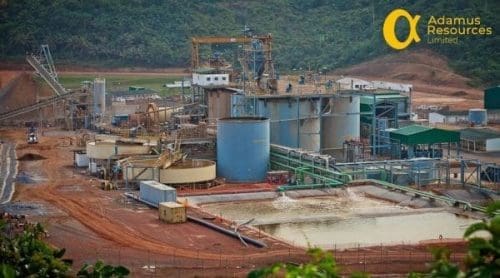
The revocation of Adamus Resources’ mining leases has become more than a fight between one company and the Ministry of Lands and Natural Resources. It is a test of whether Ghana can enforce its mining laws consistently, transparently, and without the process itself becoming a casualty of the dispute.
The government says its decision to uphold the revocation followed Minerals Commission findings that Adamus breached mining regulations, including operating outside approved areas without required permits and failing to meet financial obligations. Minerals Commission CEO Isaac Tandoh has said unauthorized Chinese nationals were found running illegal small-scale mining, or “galamsey,” at a site more than four kilometers from Adamus’s main operations, with no direct access to the company’s infrastructure, one of the violations cited as grounds for the original revocation, not a development that emerged afterward. The Ministry maintains the action was taken under the Minerals and Mining Act, 2006, and denies it is a disguised attempt to sell the company’s assets.
Adamus disputes the allegations and has accused Lands and Natural Resources Minister Emmanuel Armah-Kofi Buah of disregarding statutory procedures in revoking its leases, saying it will challenge the decision in court. That disagreement must now be settled through the legal process both sides say they respect.
Compliance cannot be negotiable. If the Minerals Commission established that Adamus operated outside its authorized areas, ran activities without required permits, or fell short on statutory financial obligations, those findings deserve to be tested and, where confirmed, enforced without exception. Government cannot hold small-scale miners to strict standards while treating large operators differently; a credible mining regime depends on consistency. But enforcement must itself follow the law. Adamus’s claim that statutory procedures were not followed is a serious procedural objection that deserves independent scrutiny rather than dismissal simply because the underlying allegations are serious. If the government is right, due process should vindicate it. If Adamus is right, the courts should establish that clearly.
The case also lands in the middle of an unresolved question about who actually controls Adamus. The company’s 90 percent stake is itself the subject of active litigation: Nguvu Mining Limited, a Mauritius-registered firm led by CEO Angela List, claims that stake, while Adamus Resources Pty, the Australian company that previously held it, says it never sold or transferred those shares and has been contesting the matter in Ghanaian courts for several years. That dispute complicates any narrative about the case as a conflict between the state and a straightforwardly Ghanaian-owned company, and it’s a detail the government and the public should keep in view as the revocation fight proceeds.
None of that changes the government’s obligation to be transparent about its own process. If the revocation rests on genuine breaches, the Ministry should publish as much evidence as legally permissible about the Minerals Commission’s findings, the Ministerial Review Committee’s conclusions, and the opportunities Adamus was given to respond. That transparency would strengthen the government’s position, not weaken it. Adamus, in turn, should be prepared to substantiate its procedural objections in court rather than relying solely on public statements.
The broader stakes go beyond Adamus. Ghana needs a mining regulatory system where investors know that leases carry enforceable obligations, host communities know their interests will be protected, and government decisions can withstand independent legal scrutiny. If Adamus breached the law, it should face consequences. If the revocation process itself fell short of legal requirements, that failure needs correcting too. Neither outcome should be decided by which story sounds more convincing in public, only by what the evidence and the law actually show.

