

West African nation becomes latest to criminalize same-sex relations as continental crackdown intensifies.
Burkina Faso’s unelected transitional parliament has unanimously passed legislation criminalizing homosexual acts, introducing prison sentences of up to five years and fines for offenders. The measure was approved by all 71 members of the military-appointed parliament on Monday.
Justice Minister Edasso Rodrigue Bayala announced that “the law provides for a prison sentence ranging from two to five years and a fine.” Foreign nationals convicted under the new legislation will face deportation in addition to criminal penalties.
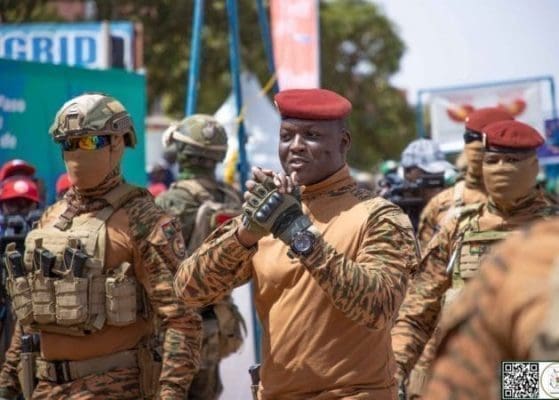
The legislation awaits signature from military leader Captain Ibrahim Traoré, who seized power in September 2022 after ousting another military ruler. Homosexuality was not banned in Burkina Faso before the military seized power three years ago.
Burkina Faso previously stood among just 22 of Africa’s 54 nations that permitted same-sex relations. Unlike many African countries that inherited colonial-era anti-homosexuality laws, Burkina Faso did not adopt such restrictions when it gained independence from France in 1960.
The socially conservative and deeply religious nation has fewer than 10 percent of citizens who do not follow any faith tradition, creating cultural conditions that favor restrictive legislation on sexual orientation.
The new law makes Burkina Faso the latest African country to ban homosexuality, joining more than half of African countries that penalise the sexual orientation with either prison sentences or the death penalty.
Regional ally Mali adopted similar criminalization measures in November, continuing a broader continental trend toward restricting LGBTQ rights. Nigeria maintains harsh anti-homosexuality laws, while Ghana’s parliament passed restrictive legislation that former President Nana Akufo-Addo declined to sign into law.
Uganda implemented the continent’s most severe provisions, making “aggravated homosexuality” a capital offense and imposing life sentences for consensual same-sex relations. The harsh measures triggered international sanctions, including temporary World Bank lending restrictions that were later lifted.
International human rights organizations have consistently criticized the wave of anti-LGBTQ legislation across Africa, arguing such laws violate fundamental human rights and dignity. The World Bank previously suspended funding to Uganda over its anti-LGBT stance before eventually resuming financial support.
The timing of Burkina Faso’s legislation coincides with the military government’s broader efforts to consolidate control and appeal to conservative domestic constituencies. Captain Traoré’s administration faces ongoing security challenges from jihadist groups operating across the Sahel region.
Same-sex relations remain punishable by death in several African nations, while lengthy prison terms apply in approximately 30 countries across the continent. The trend reflects complex intersections of traditional values, religious influence, and political calculations by governing authorities.
Burkina Faso’s decision represents another setback for LGBTQ rights advocates working across Africa to promote tolerance and legal protections for sexual minorities. The unanimous parliamentary vote suggests broad political consensus supporting criminalization despite potential international consequences.
The military government has not announced when Captain Traoré might sign the legislation into law, though his approval appears likely given the political momentum behind the measure and alignment with regional trends.

