

Ghana’s currency has tumbled nearly 80 pesewas against the dollar in just three days, prompting speculation about whether the depreciation reflects genuine market weakness or strategic positioning ahead of a massive cocoa loan expected before year-end.
The cedi slid from approximately 10.97 to 11.75 cedis per dollar, with similar losses recorded against the pound and euro. Import-dependent businesses are already adjusting prices upward, raising concerns about renewed inflationary pressures just as Ghana appeared to be gaining control over cost increases.
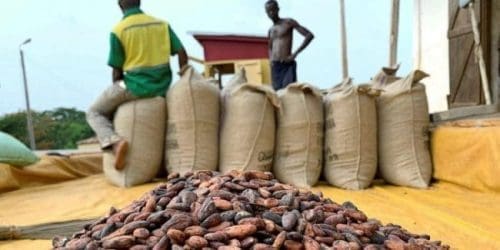
The timing coincides with Ghana Cocoa Board’s preparation to secure around $4 billion through a new financing arrangement that replaces the traditional syndicated loan structure. Under this model, international cocoa buyers must deposit at least 60 percent of contract values upfront, creating a guaranteed dollar inflow into Ghana’s economy.
This represents the largest expected foreign currency injection for 2025, yet the cedi continues weakening as the deal nears completion. The contrast has observers questioning whether exchange rate movements are market-driven or influenced by other considerations.
Currency fluctuations have previously masked the real impact of cocoa sector decisions. Earlier this year, the government’s new farmgate price appeared substantial in dollar terms, rising from $3,100 to $5,040 per metric ton. However, cedi conversion revealed farmers gained only about 128 cedis per bag, demonstrating how exchange rates can diminish seemingly impressive dollar increases.
The current depreciation creates a similar dynamic with the cocoa loan. At 10.55 cedis per dollar, the $4 billion facility would yield approximately 42 billion cedis. At today’s rate of 11.75 cedis, the same amount converts to nearly 47 billion cedis, providing significantly more local currency for government operations.
Whether this represents deliberate strategy or market forces remains unclear. Ghana’s international reserves still exceed $11 billion, suggesting the central bank retains capacity to intervene if necessary. Yet the currency continues sliding despite these buffers.
The situation highlights Ghana’s ongoing vulnerability to external financing and dollar inflows. Import dependence and limited export diversification keep the cedi susceptible to speculation and timing considerations around major foreign currency transactions.
For households and businesses facing immediate price increases, the distinction between strategic depreciation and market weakness matters less than the practical impact on living costs. Rising import bills threaten to undermine recent progress on inflation control.
The cocoa loan’s eventual arrival should theoretically strengthen the cedi, but the current weakness raises questions about exchange rate management and the true cost of Ghana’s continued reliance on foreign financing for economic stability.

