

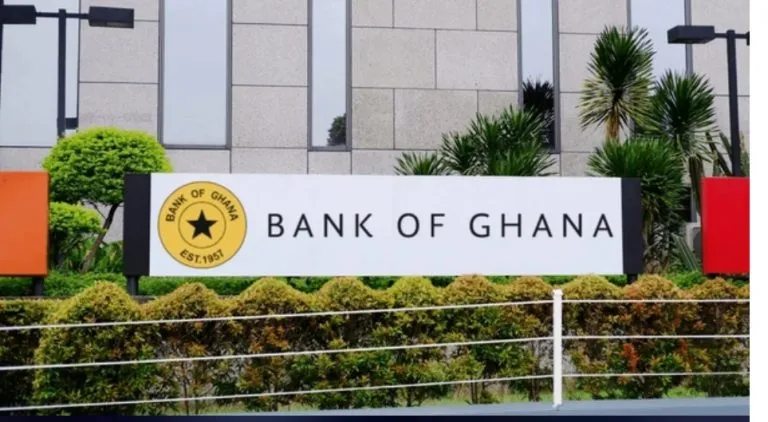
The Bank of Ghana has classified digital credit services as non-bank financial institutions, subjecting the rapidly growing fintech sector to formal regulatory oversight for the first time.
Friday’s announcement designates digital lending platforms under the First Schedule of the Non-Bank Financial Institutions Act of 2008. The move affects mobile app-based lenders and fintech companies offering short-term loans outside traditional banking channels.
Digital credit services have expanded significantly in Ghana, providing small loans to individuals and businesses previously excluded from formal financial systems. These platforms typically use mobile technology and alternative data sources for credit assessment and loan disbursement.
Bank of Ghana Governor Johnson Pandit Asiama has identified financial inclusion as a priority area during his tenure. The regulatory designation supports broader efforts to expand access to financial services while maintaining system stability.
The central bank emphasized that existing operators do not receive automatic authorization under the new classification. Current digital lenders must await forthcoming licensing requirements and operational guidelines from the regulator.
“This Notice does not confer automatic authorisation or licence to provide digital credit services on all entities which currently provide services,” the Bank of Ghana stated in its Friday notice.
The regulator plans to issue detailed directives outlining licensing procedures and operational requirements for digital credit providers. These guidelines will establish standards for consumer protection, responsible lending practices, and supervisory compliance.
Financial inclusion remains challenging in Ghana, where many small businesses and individuals lack access to affordable credit through traditional banks. Digital lending platforms have emerged to fill this gap using technology-driven approaches.
Asiama outlined his digital finance strategy during his swearing-in ceremony earlier this year. He emphasized leveraging fintech solutions and mobile banking to reach underserved communities while maintaining financial system integrity.
The governor committed to developing regulatory frameworks for digital assets and supporting innovation in financial services. His approach balances encouraging technological advancement with ensuring consumer protection and systemic stability.
Digital credit regulation addresses concerns about unregulated lending practices and consumer protection in the fintech sector. Some operators have faced criticism over high interest rates, aggressive collection methods, and inadequate disclosure practices.
The regulatory framework aims to improve transparency, enhance consumer trust, and establish industry standards for digital lending operations. Proper oversight could make digital credit more attractive to consumers while reducing risks from unscrupulous operators.
Ghana’s fintech sector has attracted significant investment and innovation in recent years. Mobile money services, digital banking platforms, and alternative lending solutions have gained substantial user adoption across urban and rural areas.
The Bank of Ghana’s move aligns with regulatory trends across Africa, where central banks are developing frameworks for digital financial services. Countries including Nigeria, Kenya, and South Africa have implemented similar oversight mechanisms.
Stakeholders in Ghana’s digital lending sector must now prepare for licensing requirements and compliance obligations. The regulatory designation could consolidate the market while establishing clearer operational standards.
The central bank indicated that detailed implementation guidelines will follow, providing operators with specific requirements for authorization and ongoing compliance monitoring.

