

The unprecedented removal of Ghana’s Chief Justice Gertrude Torkornoo will serve as a powerful deterrent for future judicial leaders, with legal experts predicting heightened adherence to due process across the country’s highest court.
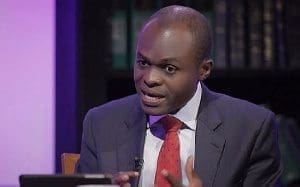
Private legal practitioner Martin Kpebu believes the removal will serve as a “powerful reminder to future heads of the judiciary about the need to adhere strictly to due process,” speaking on TV3’s KeyPoints program on Saturday evening.
The legal expert emphasized that Torkornoo’s dismissal has established a new benchmark for judicial accountability that will influence how future Chief Justices conduct themselves in office. “The next Chief Justice will be very careful about following due process. No Chief Justice will want to go through what Gertrude Torkornoo experienced, hence they will be more cautious,” Kpebu stated.
President John Dramani Mahama’s decision to remove Justice Torkornoo on September 1 followed an Article 146 Committee report that found her guilty of financial misconduct involving the unlawful use of public funds for personal trips. The committee concluded she improperly charged the Judicial Service for family trips to Tanzania and the United States in September 2023.
The removal has sparked broader discussions about judicial reform and independence. Kpebu has intensified calls for swift constitutional reforms to reinforce judicial independence in Ghana, arguing that Article 144 of the 1992 Constitution, which empowers the president to make such appointments, undermines judicial independence.
Abraham Amaliba, a member of the NDC legal team, revealed during the same television program that behind-the-scenes negotiations had occurred before Torkornoo’s formal removal. He disclosed that the former Chief Justice initially sought an arrangement to retire with full entitlements before pursuing legal action to challenge the removal process.
“I can tell you on authority that Gertrude Torkornoo worked through some two eminent persons in this country,” Amaliba revealed. “They came to plead that she should be allowed to retire with all her entitlements. But somehow, when the discussion was ongoing, she went to court to fight her removal process.”
Torkornoo’s tenure as Chief Justice was marked by controversy, including allegations of misconduct and financial misappropriation. She was suspended on April 22, 2025, before a five-member committee conducted extensive investigations that ultimately led to her removal.
The case represents the first time a sitting Chief Justice has been investigated and removed from Ghana’s highest judicial position, creating significant constitutional precedent. Following her removal, Torkornoo loses all entitlements, highlighting the serious consequences of the misconduct findings.
Kpebu’s commentary reflects broader concerns about institutional integrity within Ghana’s judiciary. The legal practitioner has consistently advocated for transparency and accountability measures that would strengthen public confidence in the court system.
The removal process involved 25 witnesses, eight lawyers, and produced a comprehensive 1,000-page report before the committee recommended Torkornoo’s dismissal. This thorough investigation demonstrates the constitutional mechanisms available for addressing misconduct at the highest levels of government.
Opposition voices have criticized the investigation process, though the committee’s findings appear to have substantiated the financial misconduct allegations. The precedent now established will likely influence how future Chief Justices approach their administrative and financial responsibilities.
The case has drawn international attention as an example of institutional accountability in action. Ghana’s commitment to holding even its highest judicial officer responsible for financial impropriety reinforces constitutional principles and rule of law standards.
Kpebu’s prediction that future Chief Justices will exercise greater caution reflects the deterrent effect such high-profile accountability measures can have on public officials. The removal demonstrates that no office, regardless of its constitutional protections, places individuals above legal scrutiny.
The ongoing national debate surrounding Torkornoo’s removal encompasses broader questions about judicial independence, presidential appointment powers, and the mechanisms needed to ensure both accountability and autonomy within Ghana’s court system.
As Ghana prepares to appoint a new Chief Justice, the Torkornoo precedent will likely influence both the selection process and the conduct expectations for whoever assumes the country’s highest judicial position

