

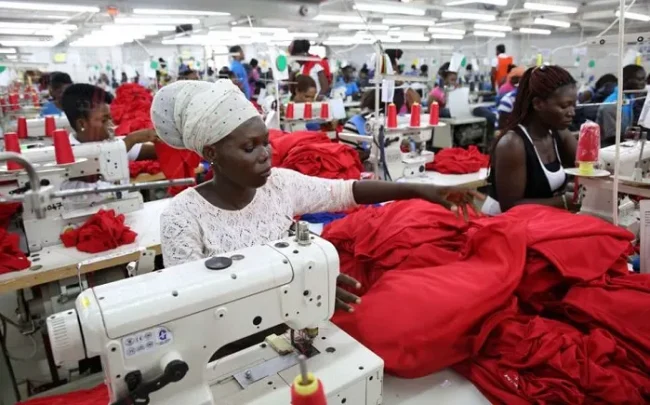
Ghana has unveiled a comprehensive apprenticeship initiative targeting the 1.2 million young people trapped in unemployment or precarious informal sector jobs across the country.
The National Apprenticeship Programme aims to train 10,000 beneficiaries aged 15 to 25 in skills that match modern labor market demands. Bono Regional Minister Joseph Addae Akwaboah announced the program during an induction ceremony for 700 apprentices.
Nearly 70% of Ghana’s youth currently work in the informal sector without job security or clear advancement opportunities. Official unemployment among 15-24 year-olds stands at 5.4%, but this figure jumps to 38.8% when including insecure informal employment.
“Nearly 1.2 million young Ghanaians aged 15 to 35 are unemployed or under-employed,” Akwaboah explained. The apprenticeship scheme seeks to equip participants with technical, vocational, and entrepreneurial capabilities that create pathways to stable employment or self-employment.
Training covers priority economic sectors including agriculture and agro-processing, information technology, renewable energy, hospitality, fashion, cosmetology, construction, traditional crafts, and creative industries. This sector focus aligns with areas where Ghana sees growth potential and job creation opportunities.
Participants receive comprehensive support beyond basic training. The program provides personal protective equipment, learning materials, and start-up toolkits designed to facilitate transition into independent businesses or formal employment after completion.
Mentorship components help graduates navigate the shift from training to productive work. This guidance proves crucial for young people who often lack networks or business experience needed to translate skills into sustainable income.
Nationally recognized certification ensures training quality meets standards that employers and clients will trust. This credibility factor distinguishes the program from informal skills development that may not carry market recognition.
The program addresses a critical gap as thousands of new job seekers enter Ghana’s labor market annually. Without proper skills development, many young people default to low-paying informal work that offers little security or growth potential.
Built-in monitoring and evaluation frameworks will track program effectiveness and impact on youth employment outcomes. Akwaboah stressed that training alone cannot solve youth unemployment without proper follow-up and results measurement.
Success could transform prospects for young Ghanaians currently stuck in informal sector survival strategies. The program offers hope for breaking cycles of underemployment that limit both individual advancement and broader economic development.
Ghana’s youth bulge presents both challenges and opportunities depending on skills development effectiveness. Productive youth employment drives economic growth while unemployment creates social instability and wasted human potential.
The apprenticeship initiative represents significant government investment in human capital development at a time when digital transformation and industrial growth demand higher skill levels across multiple sectors.

