

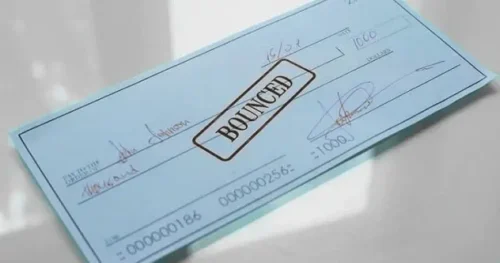
Dishonoured cheques reported to Ghana’s credit bureaus fell to 37,828 in 2025, down 28.9 per cent from 2023, Bank of Ghana data show, ahead of tougher sanctions introduced in June.
The Bank of Ghana’s (BoG) Credit Reporting Activity Annual Report 2025, published last month, shows dud cheques fell from 53,222 in 2023 to 45,136 in 2024, and then to 37,828. Each one is reported to licensed credit reference bureaus, where it can count against the issuer when they next seek a loan or overdraft.
More than fewer cheques
Part of the fall reflects the steady retreat of the paper cheque. The volume of interbank cheques cleared fell 4.8 per cent in 2025, about 265,641 fewer, according to the BoG’s Payment Systems Oversight Annual Report. Businesses are switching to internet banking, mobile money and instant transfers.
But dud cheques fell much faster. They dropped 16.2 per cent in 2025, more than three times the decline in cheque volumes. That suggests issuers have become more careful, not merely that fewer cheques are being written. Cheques that remain in use are also getting larger: the average cleared cheque rose 13.3 per cent to about GH¢79,067 in 2025. A single bounced cheque can now leave a supplier with a bigger hole in its cash flow.
Tougher rules on top
The central bank is not treating the decline as a sign that the problem is solved. In a notice dated 24 June 2026, it said it had observed “with grave concern” the high issuance of dud cheques, and replaced its 2021 and October 2025 rules with a stricter graduated regime.
A first-time offender now pays a penalty of 10 per cent of the cheque’s face value, receives a warning, is placed under surveillance for at least a year and is reported to the credit bureaus and the BoG. A second offence within a year raises the penalty to 15 per cent.
A third offence within a year brings a ban on issuing cheques anywhere in Ghana for at least three years and a one-year ban on new bank credit. The BoG may also publish the offender’s name. Customers who fail to return unused cheque books within 10 working days can be barred from operating any current account and added to a Directory of High-Risk Cheque Issuers.
The new regime took effect after the period covered by the 2025 figures, so its impact will show up in next year’s data. Issuing a dud cheque is also a criminal offence under section 313A of the Criminal Offences Act, 1960 (Act 29), punishable by a fine, up to five years in prison, or both.
For traders and distributors who sell on credit and are paid by post-dated cheque, the trend matters. Repeated defaults have pushed many suppliers to demand cash or instant transfers before releasing goods.

