

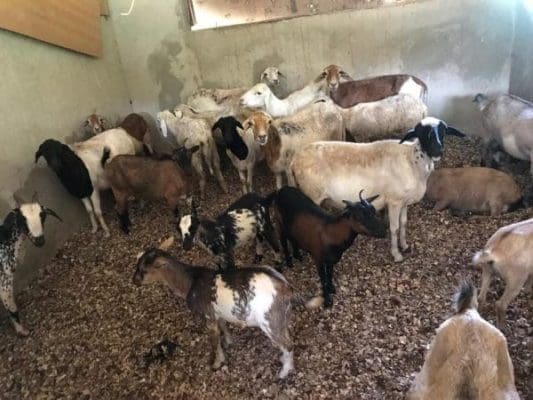
A new tracking tool has recorded 4,239 transhumant herders and 97,395 animals moving through Ghana’s Upper East and Upper West regions between June and November 2025.
The Upper West Region accounted for the larger share of that movement, with 3,694 herders and 72,745 animals recorded, while the Upper East Region registered the remaining 545 herders and 24,650 animals over the same period.
The figures come from the International Organization for Migration’s (IOM) Transhumance Tracking Tool (TTT), part of a wider early-warning system IOM uses across West Africa to monitor pastoralist movement and help prevent conflict between herders and farming communities.
The data were presented at a national workshop on transhumance and farmer-herder relations held in Accra on August 5. The event was convened by Ghana’s National Security Council Secretariat (NSCS) in collaboration with IOM through the multi-donor Coastal States Stability Mechanism, and brought together national institutions, regional authorities, development partners, civil society groups and technical experts.
Transhumance remains a central livelihood for many communities in northern Ghana, but rising pressure on land and water resources, compounded by climate stress and uneven enforcement of local governance rules, continues to raise the risk of localised tension between farmers and pastoralist groups.
Speaking on behalf of the National Security Coordinator, Major General Timothy Tifucro Ba-Taa-Banah, Director of the National Counter Terrorism Centre, called for stronger collaboration among government institutions, development partners, non-governmental organisations and other stakeholders to manage transhumance and reduce the potential for conflict.
With IOM’s support, district-level by-laws have been developed to regulate livestock movement and provide mechanisms for resolving farmer-herder disputes, particularly in the Upper West Region. The tracking tool has also mapped 17 major livestock movement corridors across the two regions, information officials say will guide future planning to keep herder movement predictable and reduce friction with farming communities.

