

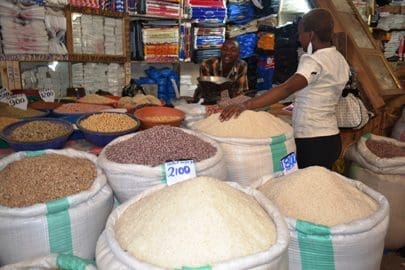
EAGC Executive Director Gerald Musila told Xinhua in Nairobi late Wednesday that there is always somewhere where grain is being harvested every year in the East Africa Community (EAC).

According to the EAGC, grain traders face barriers through a combination of tariff and non tariff barriers at the border points.
“This difficulty is the biggest enemy to food security as it contributes to shortage of food and increase in price of basic food stuffs,” he said.
The grain lobby said the EAC as a whole has produced enough grains in the current planting season.
Musila said Kenya is the nation that is most dependent on its EAC neighbors to bridge grain deficit.
“This is because it has large growing population, limited arable land and huge demand for maize,” he said.
The key staple food in Tanzania is maize, but the country has large arable land that is enough to produce for domestic consumption and to cater for exports.
“The problem that Tanzania faces is a logistic challenge of transporting grains from areas of surplus to those of deficits,” Musila said.
Bananas are key staple in Uganda and so is able export its grains to Kenya. Enditem
Source: Xinhua

