

Energy and Green Transition Minister John Jinapor has raised serious questions about a previous transaction that would have transferred the Tema Oil Refinery to private hands for just $22 million, revealing he’s referred the deal to the Attorney General for legal review.
The Minister described the transaction as “surreptitious” during a working visit to TOR and the Ghana Grid Company, where he assessed operational challenges facing two of the country’s critical energy institutions. His tour comes as part of ongoing efforts to evaluate, support and modernise the operations of key agencies under the Ministry.
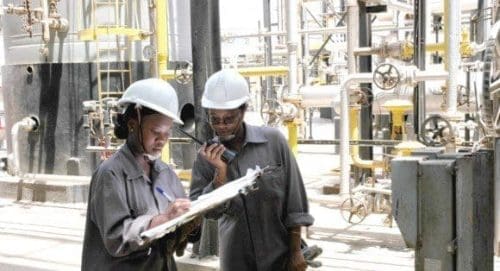
At TOR, Jinapor toured sections of the facility to gain firsthand insight into ongoing upgrading works and the overall state of the refinery. While he commended the significant progress achieved at TOR over the past nine months, the Minister expressed concern about the leadership instability that has hindered progress in recent years.
He reiterated TOR’s strategic importance to Ghana’s energy security and industrial development, urging the Managing Director, Edmond Kombat, and his team to sustain current momentum and adopt innovative, sustainable strategies that will enhance operational efficiency and resilience. The challenge is significant, given TOR’s history of false starts and failed turnaround attempts over the past decade.
The Minister also announced that his Ministry will collaborate with the Ministry of Roads and Highways to improve road access within the Tema industrial enclave, a move expected to enhance supply chain efficiency and refinery logistics.
But it was his visit to GRIDCo that revealed perhaps more urgent concerns. Jinapor expressed deep concern over the decline in the company’s financial health, noting that GRIDCo was once capable of financing major infrastructure projects from its own balance sheet. That’s apparently no longer the case.
“Sadly, that is no longer the case,” he said, urging management to take bold corrective measures to restore GRIDCo’s financial strength and technical leadership. He emphasised that GRIDCo’s stability is critical to the reliability of Ghana’s electricity transmission system and to the success of the government’s 24-hour economy initiative, which seeks to expand productivity and job creation through a stable energy supply.
The minister noted that these visits form part of a broader reform agenda to modernise Ghana’s energy institutions, strengthen governance, and promote innovation in line with President John Dramani Mahama’s vision for a resilient, secure, and future-ready energy sector.
Both TOR and GRIDCo have struggled with financial sustainability, operational inefficiencies, and governance issues over recent years. TOR, in particular, has been operating far below capacity, forcing Ghana to import refined petroleum products at significant cost to foreign exchange reserves.
The revelation about the $22 million TOR transaction adds another layer to ongoing debates about how Ghana manages its strategic national assets. The deal has been formally referred to the Attorney General for legal review and appropriate action, to determine the legality of the deal and ensure that Ghana’s strategic energy infrastructure is not compromised.
Earlier this year, Jinapor engaged stakeholders about reassessing TOR’s operations with a focus on Ghanaian participation and local content, stating the government wants to give the first option to Ghana’s captains of industry. This signals a potential shift toward greater indigenous control of national energy assets.
Whether these institutional visits translate into tangible improvements remains to be seen. Ghana’s energy sector has weathered numerous reform promises over the years, with mixed results. The Minister’s hands-on approach and willingness to confront uncomfortable truths about institutional decline could mark a turning point, but success will ultimately depend on implementation and sustained political will.
For now, the Ministry’s renewed commitment to ensuring sustainable energy delivery and industrial competitiveness faces a reality check: two critical energy institutions in need of urgent financial and operational rehabilitation.

