

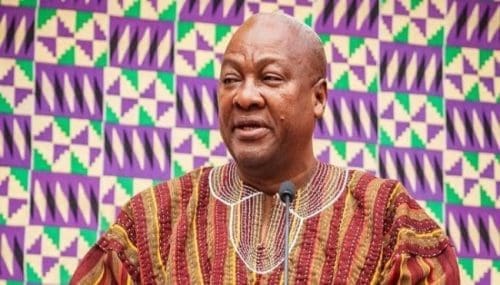
Ghana’s President John Mahama struck a somber yet resolute tone during his first State of the Nation Address since returning to office, acknowledging an economic crisis “worse than anticipated” while unveiling a sweeping four-year revival strategy.
The speech, delivered to parliament on February 27, 2028, outlined plans to tackle a crushing GHC 721 billion debt burden, rampant unemployment, and chronic energy shortages—but experts warn the proposals face steep hurdles without clear funding pathways or implementation safeguards.
Mahama described an economy in “dire straits,” with citizens enduring “unprecedented hardships” due to inflation, currency instability, and stalled infrastructure projects. His reset agenda hinges on fiscal tightening, renegotiating sovereign debt terms, and a $10 billion “Big Push” industrialization drive targeting agriculture, manufacturing, and renewable energy. Additional measures include a 24-hour economy initiative, youth job programs, and expanded healthcare subsidies under a proposed “MahamaCare” trust fund.
While economists broadly agree the priorities align with Ghana’s needs—reducing import dependency, reviving agriculture, and addressing energy sector inefficiencies—doubts persist about feasibility. “These aren’t new ideas. Many mirror past NDC manifesto pledges,” said University of Ghana economist Professor Patrick Asuming, referencing Mahama’s National Democratic Congress party. “The elephant in the room is financing. When you inherit empty coffers and a debt crisis, how do you fund a dozen mega-projects simultaneously?”
The contradiction Mahama faces is stark: promising austerity while simultaneously proposing costly interventions like the AgriNext program for youth farmers, a national apprenticeship scheme, and a solar energy transition fund. Critics argue such ambitions risk clashing with debt reduction goals, particularly without fresh revenue streams or firm commitments from international creditors.
Energy sector reforms drew particular scrutiny. Plans to eliminate crude oil imports for power generation and boost natural gas utilization mirror previous administrations’ unmet pledges. “We’ve heard these solutions before,” said Accra-based Kwasi Adu. “The problem isn’t policy design—it’s execution. Political interference, contract disputes, and bureaucratic delays always undermine progress.”
Economist Dr. Daniel Amateye Anim echoed concerns, urging Mahama to insulate projects from partisan politics. “Ghana’s graveyard of unfinished initiatives proves good plans die at implementation. Success requires technocratic oversight, not patronage appointments.”
The president’s social welfare pledges—including free primary healthcare and subsidies for dialysis treatments—similarly face skepticism. Previous governments struggled to sustain similar programs amid fiscal pressures, with the National Health Insurance Scheme (NHIS) frequently plagued by funding gaps.
Analysts note Mahama’s avoidance of specific austerity measures, like tax hikes or subsidy removals, suggests political caution. However, this vagueness leaves gaps in his fiscal consolidation narrative. “You can’t promise both stimulus and debt reduction without explaining trade-offs,” said Professor Asuming.
The upcoming budget and National Economic Dialogue will prove critical in assessing the plan’s credibility. Investors and donors will watch for signs of credible debt restructuring talks and public-private partnership frameworks to unlock capital.
For citizens, patience wears thin. “We’ve had grand speeches before,” said Accra trader. “What we need is electricity that stays on, stable prices, and jobs that don’t vanish after elections.”
Mahama’s legacy now hinges on a precarious balancing act: restoring hope without overpromising, and prioritizing reforms that outlast political cycles. As Ghana’s economic clock ticks, the stakes transcend partisan lines—a reality even the president’s critics acknowledge. “The vision is right,” admitted Anim. “But in four years, results—not rhetoric—will define this chapter.”

