

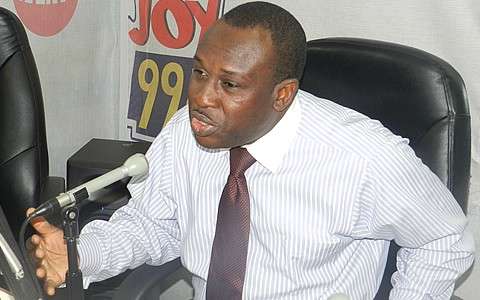
Years of weak political leadership have enabled persistent financial irregularities highlighted in Ghana’s annual audit reports, according to policy analyst Kofi Bentil.
The IMANI Africa Vice President linked recurring payroll fraud and financial misconduct to inadequate governance during a weekend television appearance. Annual Auditor-General reports consistently reveal similar infractions across government institutions, suggesting systemic problems rather than isolated incidents.
“We are seeing these irregularities every year because of the poor political leadership we have had over the years,” Bentil said during The Key Points program on TV3. He expressed frustration over the cyclical nature of financial misconduct discoveries.
The policy expert pointed to lack of accountability as the primary driver of continued violations. Officials implicated in audit findings rarely face meaningful consequences, creating an environment where misconduct persists without deterrence.
“The lack of political will to punish persons captured in the reports for causing these infractions is leading to the recurrence of the issues,” Bentil explained. This enforcement gap allows problematic practices to continue across government departments and agencies.
Payroll fraud represents a particularly troubling pattern in recent audit reports. Ghost workers, inflated salaries, and unauthorized payments drain public resources while undermining service delivery to citizens who depend on government programs.
The Auditor-General’s office regularly identifies millions of cedis in questionable expenditures, yet follow-up action remains inconsistent. Parliamentary oversight committees review findings but implementation of recommendations often stalls within the executive branch.
Bentil called for stricter enforcement measures and consistent application of sanctions against officials who violate financial regulations. Without decisive action, he warned, the cycle of misconduct will continue undermining public trust in government institutions.
The criticism reflects broader concerns about governance quality that transcend party lines. Similar audit findings have emerged under different administrations, suggesting institutional weaknesses rather than partisan problems.
Civil society organizations increasingly question whether current oversight mechanisms provide adequate deterrence against financial misconduct. The gap between audit discoveries and actual accountability measures remains a persistent challenge for democratic governance.
Strengthening public financial management requires both technical reforms and political commitment to enforcement. Leaders must demonstrate willingness to sanction misconduct regardless of political affiliations or personal relationships with violators.
The recurring nature of audit infractions also raises questions about prevention systems within government institutions. Better internal controls, staff training, and monitoring mechanisms could reduce opportunities for financial irregularities before they occur.

