

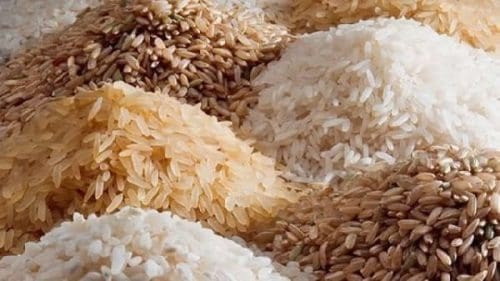
Ghana’s rice consumption is heading for another record, with demand expected to reach 1.8 million metric tons in the 2025/26 marketing year.
The three percent jump from this year’s 1.75 million tons reflects deeper changes in how Ghanaians eat, where they live, and what they can afford.
A new U.S. Embassy Foreign Agricultural Service report released in Accra paints a picture of unstoppable demand. The country’s population has crossed 34.6 million and continues growing at 2.15 percent yearly, according to CIA World Factbook data. Each person consumes about 51 kilograms of rice annually, making the math simple: more people means more rice.
But population growth tells only part of the story. Urban areas now house 59 percent of Ghanaians, and city dwellers consume roughly 80 percent of all imported rice. These urban consumers prefer long-grain and fragrant imported varieties, which they consider superior to local options.
The economic landscape has shifted dramatically in recent months. After years of punishing inflation and currency weakness that pushed rice prices beyond many household budgets, conditions have improved. The cedi has strengthened, inflation has cooled, and the government has eliminated several import taxes and levies. These changes are making rice affordable again for families who had switched to alternatives during the price surge.
Rice has woven itself into Ghana’s cultural fabric in ways that transcend economics. Morning commuters grab waakye with fried fish and shito from roadside vendors. Wedding guests expect jollof rice, the dish that sparks friendly rivalries across West Africa about who makes it best. In the north, families gather around bowls of omo tuo served with groundnut soup.
The versatility shows in countless preparations: fried rice at Sunday lunches, coconut rice at celebrations, angwa moo simmering in palm oil, and rice water porridge for breakfast. This culinary diversity ensures steady consumption regardless of price fluctuations.
The Foreign Agricultural Service analysis points to additional growth drivers. Ghana’s expanding middle class seeks premium rice varieties. The hospitality sector, recovering from pandemic disruptions, needs reliable supplies for hotels and restaurants. A growing expatriate community brings its own preferences for specific rice types.
Importers have noticed these shifting tastes. Consumers increasingly request fragrant, high-quality varieties, moving beyond basic long-grain options. This preference for premium products suggests rice imports will not only grow in volume but also in value.
The projection carries implications for Ghana’s agricultural trade balance. With local production unable to meet demand, imports will continue dominating the market. Urban consumers’ preference for imported varieties, combined with perception issues around local rice quality, reinforces this dependence.
Market observers note that even economic hardship rarely dents rice consumption significantly. Ghanaians might buy smaller quantities or switch brands during tough times, but rice remains on the menu. This resilience makes the grain unique among imported foods.
The 1.8 million metric ton forecast assumes normal weather patterns and stable trade policies. Any disruption to global rice supplies or changes in import regulations could affect actual consumption levels. However, the underlying drivers of population growth, urbanization, and cultural preferences appear locked in place.
For policymakers, the report underscores a familiar challenge: how to balance consumer preferences with goals for food security and import reduction. Previous attempts to boost local rice production have struggled against quality perceptions and price competition from imports.
The data suggests Ghana’s rice story will continue evolving. As incomes recover and cities expand, demand will likely keep climbing beyond the 2025/26 projections. Whether through waakye at dawn or jollof at midnight celebrations, rice has secured its place at the center of Ghanaian tables.

