

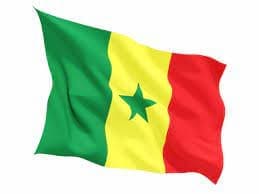
Dakar emerges as continental standout with oil-driven growth trajectory and democratic resilience distinguishing it from coup-plagued neighbors
Senegal has rapidly emerged as West Africa’s most compelling investment destination, leveraging political stability and transformative oil discoveries to attract international capital while regional competitors struggle with governance crises and economic volatility.
The West African nation’s investment appeal has intensified following its peaceful democratic transition in March 2024, creating a stark contrast with neighbors experiencing military coups and contested leadership changes across the Sahel region.
According to recent analysis from SOMPA & Partners, Senegal’s unique combination of democratic institutions, energy sector transformation, and youthful demographics positions it as a rare “low-risk, high-reward” opportunity in an increasingly unstable regional landscape.
Senegal’s economy is projected to achieve 10.1% growth in 2025, driven by oil and gas production that began exceeding expectations in late 2024. This represents one of Africa’s fastest expansion rates, with actual 2024 growth reaching approximately 6.0% despite initial forecasts.
The economic surge stems primarily from two major offshore energy projects that commenced production ahead of schedule. These discoveries include significant oil and gas fields expected to transform Senegal’s energy landscape, enabling the country to transition from heavy fuel oil imports to domestic natural gas consumption.
Beyond hydrocarbons, Senegal has maintained remarkably low inflation rates, creating an attractive macroeconomic environment for foreign investors concerned about currency stability across emerging markets. The CFA franc’s euro peg provides additional monetary stability, though economists continue debating long-term monetary sovereignty implications.
The 2024 elections proceeded without incident after initial postponement attempts, demonstrating institutional resilience that has impressed international observers. The democratic process emerged stronger with an energetic young president following the constitutional crisis.
This political stability contrasts sharply with recent military takeovers in Mali, Burkina Faso, and Niger, creating a flight-to-quality effect as investors seek democratic alternatives in the region. Popular support for democratic governance remains exceptionally high, with 84.3% of Senegalese preferring democracy over alternative systems.
The peaceful power transfer has enhanced investor confidence in regulatory continuity and contract enforcement, addressing key concerns that have deterred investment in neighboring markets experiencing political upheaval.
Senegal’s median age of 19 years represents both opportunity and challenge for sustainable development. The youthful population has driven remarkable growth in financial technology, digital health services, and mobile commerce platforms, with Dakar becoming a regional testing ground for innovative business models.
Government infrastructure investments include plans for 4,500 kilometers of additional fiber-optic cable through the state-owned Sénégal Numérique company, supporting digital transformation across sectors.
Human capital development shows promising trends, with life expectancy reaching 67 years and education access expanding. However, informal labor markets continue challenging job creation and social protection systems, requiring targeted policy interventions to maximize demographic benefits.
Despite economic momentum, Senegal faces significant environmental challenges that could impact long-term growth sustainability. Severe flooding in 2024 displaced over 55,000 people, highlighting infrastructure vulnerabilities to extreme weather events.
Coastal erosion threatens key economic centers, while periodic droughts stress agricultural productivity and water resources. These climate risks require substantial adaptation investments that could strain fiscal resources as oil revenues mature.
Water scarcity poses particular concerns for manufacturing expansion and urban development, necessitating comprehensive resource management strategies to support continued economic growth.
While Senegal’s civil law system provides relatively transparent legal frameworks, bureaucratic processes continue frustrating investors seeking rapid business establishment. Administrative delays and regulatory complexity remain barriers to small and medium enterprise development.
The government has implemented various business climate reforms, including Public-Private Partnership legislation in 2021 to modernize infrastructure financing. However, implementation effectiveness varies across sectors and regions.
Illicit financial flows present ongoing governance challenges, though recent peace agreements in the Casamance region have reduced security-related investment risks that previously deterred development in southern areas.
Senegal’s strategic Atlantic coast location and improving infrastructure position it as a potential West African regional hub for international companies seeking stable operational bases. The country’s francophone business culture provides natural connections to North and Central African markets.
Medium-term economic prospects remain positive as oil and gas production scales up, though success depends on effective economic management and continued structural reforms.
Investment opportunities span multiple sectors, from renewable energy projects leveraging solar potential to logistics services supporting regional trade integration. Financial services modernization offers particular promise given regulatory stability and growing consumer markets.
The convergence of political stability, energy resources, and demographic trends creates a unique investment window that differentiates Senegal from regional alternatives facing governance uncertainties and economic volatility.
As West Africa navigates unprecedented challenges, Senegal’s commitment to democratic governance and economic diversification positions it as the region’s most compelling destination for risk-conscious international investors seeking sustainable returns.

