

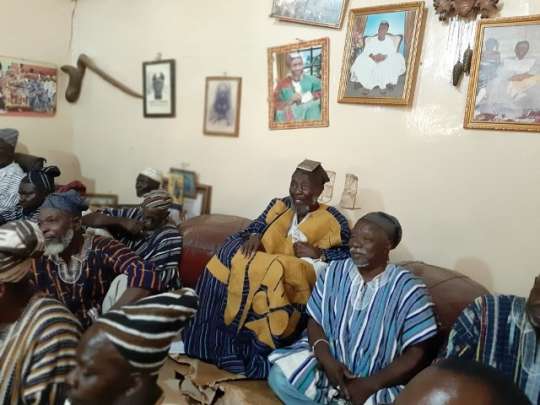
The Overlord of the Mamprugu Traditional Area has pledged unwavering support for youth-led initiatives combating illicit drug abuse, marking a significant traditional authority intervention in Ghana’s escalating substance abuse crisis among young people.
Naa Bohagu Mahami Abdulai Sherigah II, who holds the revered title of Nayiri and serves as President of the North East Regional House of Chiefs, endorsed local youth task forces during a health walk organized by the National Youth Authority (NYA) in Nalerigu on Monday, September 22, 2025.
Speaking through his representative, Chief Sulemana Elijah Abdulai, the traditional leader expressed profound concern about drug abuse trends threatening the region’s youth population. The palace’s intervention comes as statistics reveal approximately 50,000 Ghanaians are active drug users, with 35,000 being students aged 12 to 35, and nearly 50 percent of youth mental health cases linked to substance use.
The health walk supported the Nalerigu Youth Association’s (NAYA) grassroots efforts to address what community leaders describe as an increasingly serious menace affecting the future prospects of young people across the North East Region. The event represented a collaborative approach between traditional authority, government institutions, and youth organizations.
Chief Sulemana emphasized the urgency of the intervention, stating that the palace had been seeking opportunities to engage directly with youth about the devastating implications of drug abuse. He highlighted the Nayiri’s recognition that young people represent the region’s future, making their protection from substance abuse a critical priority for traditional leadership.
The National Youth Authority’s regional directorate organized the awareness campaign as part of broader government efforts to address youth substance abuse challenges. The NYA, established in 1974 as a statutory public organization, coordinates youth empowerment activities across Ghana to ensure comprehensive development of the nation’s young population.
The traditional leader’s backing carries significant weight in the region, where customary authority maintains strong influence over community behavior and social norms. By publicly supporting anti-drug initiatives, the Nayiri legitimizes youth-led efforts while leveraging traditional structures to reinforce prevention messages.
Recent data indicates Ghana faces mounting challenges with youth substance abuse, particularly in northern regions where economic opportunities remain limited and social support systems face strain. Mental health coordinators report that approximately 35 youth from various educational levels have sought treatment for drug abuse-related mental health issues at facilities like Keta municipal hospital.
The Mamprugu Traditional Area encompasses significant portions of the North East Region, where the Nayiri’s endorsement of youth task forces signals broader community mobilization against drug trafficking networks. Traditional authorities often serve as crucial intermediaries between government initiatives and local communities, particularly in addressing social problems.
Chief Sulemana conveyed the Nayiri’s message that all stakeholders working to combat drug abuse would receive palace support, emphasizing the collective responsibility to protect young people from what he described as a “canker about to engulf” the community. The statement reflects growing recognition among traditional leaders that substance abuse requires coordinated responses.
The campaign in Nalerigu represents part of wider efforts across West Africa to address rising youth drug abuse. Research indicates that youth development mechanisms, including outreach programs and community engagement, lead to significant changes in risky behaviors, with non-governmental organizations playing critical roles in addressing substance abuse.
The alliance between traditional authority and youth organizations demonstrates innovative approaches to community health challenges, combining customary leadership influence with grassroots activism to create comprehensive prevention strategies for vulnerable populations.

