

Health officials from across West Africa opened a four-day workshop in Abidjan on Tuesday to validate a new five-year plan for fighting epidemics such as yellow fever, meningitis and cholera.
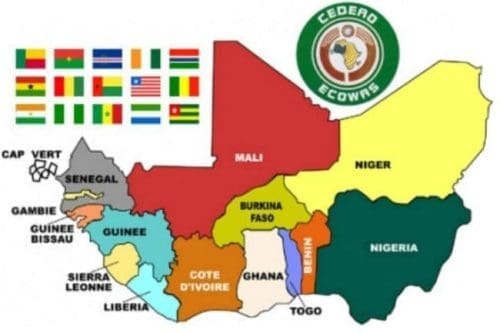
The meeting brings together health experts, government representatives and technical partners to review the third Regional Strategic Plan for Epidemic Preparedness and Response, drafted by the Economic Community of West African States (ECOWAS) Regional Centre for Surveillance and Disease Control (RCSDC). Once validated, the plan will guide the bloc’s outbreak response strategy from 2027 to 2031, replacing a framework that expires at the end of the current cycle. The timing matters for the region’s 400 million people, who have weathered repeated disease outbreaks even as climate pressures widen the range of pathogens crossing borders.
Mamadou Samba, Cote d’Ivoire’s director general of health, told delegates the sub-region cannot rely on individual governments alone. “No country can effectively address health emergencies on its own,” he said, speaking on behalf of the country’s minister of health and public hygiene. Strong national health systems paired with regional coordination, he added, remain the only route to faster detection and containment.
Mamadou Diarrassouba, the RCSDC’s executive director, told the workshop that West Africa continues to face overlapping threats, including yellow fever, meningitis, cholera, measles and viral hemorrhagic fevers, made harder to manage by climate change and the growing risk of diseases jumping from animals to humans.
The push for a stronger regional framework follows evidence of gaps in the current system. A study published this year in the Pan African Medical Journal, which surveyed public health directors in 14 ECOWAS member states, found uneven readiness for a resurgent mpox outbreak, with some countries lacking key surveillance and response capacities that others had already built. That unevenness is part of what the new strategic plan is designed to close.
The Abidjan meeting is not the RCSDC’s only recent push on emergency preparedness. Three weeks ago, the centre convened a separate workshop in Abuja to update a regional roadmap for risk communication and community engagement covering 2026 and 2027, part of a wider effort to prepare member states for potential Ebola flare-ups alongside the mpox response.
Delegates in Abidjan are expected to complete their technical review of the 2027-2031 plan before the workshop closes, after which it will move toward formal adoption by ECOWAS member states.

