

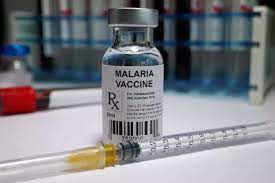
A new report released by 1Day Africa, titled “190 Million Missing Doses,” highlights the critical shortage of the R21 malaria vaccine and its potentially devastating consequences.
With the continent poised to receive its initial doses imminently, concerns mount over the vast shortfall in supply.
The report underscores the stark reality: while it’s projected that 200 million doses could be manufactured by the end of the next year, current plans only entail ordering and utilizing a mere 10 million doses. Given that each child requires four doses of the R21 vaccine, the 190 million dose gap represents a significant shortfall that could leave tens of millions of children vulnerable to malaria.
The gravity of the situation is palpable. Peer-reviewed modeling by researchers at the University of Oxford, involved in the development of R21, indicates that vaccinating one million children could prevent nearly two million cases of malaria and over 6,300 deaths. However, with the current vaccine shortage, these potential lives saved hang in the balance.
While organizations like Gavi, the Vaccine Alliance, play a crucial role in assisting low- and middle-income countries in accessing vaccines, questions linger regarding their transparency and allocation strategies for R21. Despite already producing 25 million doses, the decision to only utilize a fraction of these doses raises concerns and calls for accountability.
Moreover, as countries express interest in adopting R21 due to its comparable effectiveness and easier transportability compared to the existing RTS, S malaria vaccine, logistical challenges and procurement decisions further complicate the situation. Uganda’s recent decision to forego RTS,S underscores the urgency and complexity of vaccine distribution strategies.
Halidou Tinto, leader of the phase III trial demonstrating R21’s efficacy, emphasizes the urgent need for action, lamenting the disparity in urgency compared to the COVID-19 response. Zacharia Kafuko, director of 1Day Africa, echoes the sentiment, emphasizing the toll malaria takes on African families and urging recognition of the crisis at hand.
As the debate intensifies and the clock ticks, the plea for swift action to bridge the R21 vaccine gap grows louder. The lives of hundreds of thousands of children hang in the balance, underscoring the urgent need for concerted efforts to prioritize malaria prevention in Africa.

