

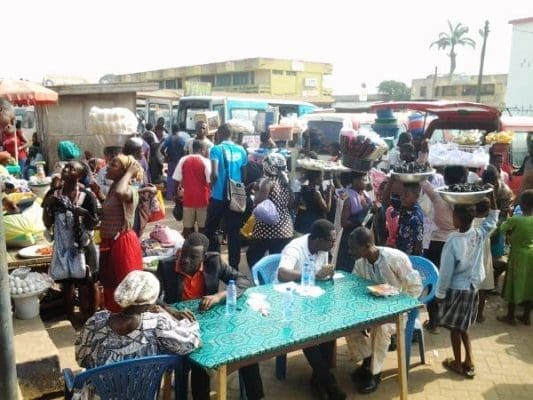
The Research on Obesity and Diabetes reveals that 70 per cent of the people in Mankessim are obese, while 40 per cent of the people recorded a high blood sugar exposing such people to obesity and Type 2 diabetes (T2D) in the long run.

Mr. Onipanua Hukporty Derrick, Executive Director of MEDICAID Ghana, said out of every 100 people in Mankessim, 40 may test positive for diabetes, which is far more prevalent than HIV/AIDS.
He said currently, diabetes had no cure but people who had tested positive could be managed to have prolonged lifespan.
He said out of 1,043 people screened 418 recorded a very high fasting blood sugar, called for continuous education and counselling on the condition after which a referral note was given to them to visit the Mfantseman municipal hospital for further examination and possible management.
Mr. Onipanua gave the advice during an interview with UTV news during the organization’s community outreach programme, which was held on 19th December, 2015 at the Mankessim market and aimed at educating the people and organizing free medical screening.
It was organized by the MEDICAID Ghana(a locally based NGO which is into health promotion activities) in collaboration with the NAATOA Microfinance LTD.
Mr. Onipanua said most people were not aware of the condition, adding “even if people are aware, they do not go for medical checkups”.
Explaining the causes, In prediabetes, which can lead to type 2 diabetes, your cells become resistant to the action of insulin, and your pancreas is unable to make enough insulin to overcome this resistance. Instead of moving into your cells where it’s needed for energy, sugar builds up in your bloodstream.
Exactly why this happens is uncertain, although it’s believed that family history and environmental factors play a role in the development of diabetes. Being overweight is strongly linked to the development of type 2 diabetes, but not everyone with type 2 is overweight. With increased thirst, frequent urination, increased hunger, blurred vision and fatigue are some of the symptoms of diabetes.
Mr. Onipanua added that Ghanaian’s need to take charge in the prevention of illnesses and in the maintenance of their health by frequently going for medical checkups, drinking a lot of water, avoid eating late at night, engaging in bodily exercise in order to promote their health.

