

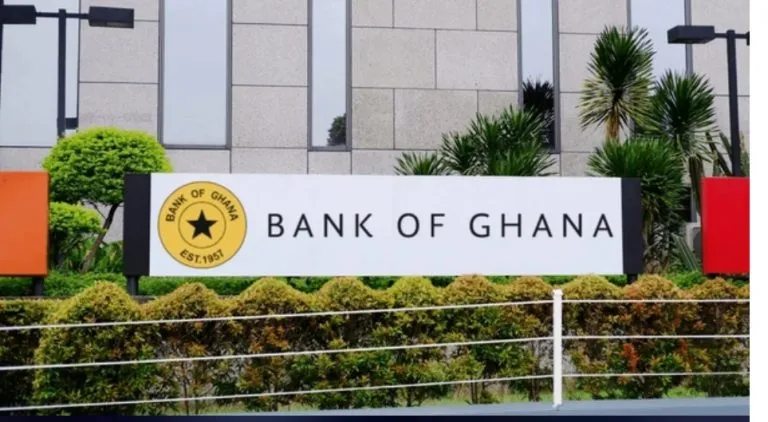
Ghana’s central bank will highlight the country’s rapid expansion of financial services access at this week’s Alliance for Financial Inclusion Global Policy Forum, following new data showing significant gains in account ownership.
Second Deputy Governor Mrs. Matilda Asante-Asiedu will lead a Bank of Ghana delegation to the summit, which brings together central bankers, regulators, and policymakers from around the world to address financial inclusion challenges.
The timing coincides with the release of the Global Findex 2025 report, which shows 80 percent of Ghanaian adults owned financial accounts in 2024, representing a substantial increase from 68 percent in 2021.
The World Bank report represents the most comprehensive global database on digital and financial inclusion, drawing from surveys of approximately 145,000 adults across 141 economies. For the first time, it incorporates a Digital Connectivity Tracker examining relationships between mobile phone ownership, internet access, and financial services usage.
Ghana’s progress reflects broader trends in digital finance adoption across sub-Saharan Africa, where mobile money and fintech innovations have transformed access to banking services. The country has emerged as one of the continent’s leaders in mobile financial services penetration.
“This remarkable progress is a reflection of the Bank of Ghana’s deliberate reforms and our embrace of technology to deepen financial inclusion,” Asante-Asiedu stated prior to the forum. “We remain committed to working with all stakeholders to build a financial system that is accessible, affordable, and secure for every Ghanaian.”
The deputy governor is expected to present Ghana’s experience as a case study for other developing economies seeking to expand financial access through digital channels. Mobile money platforms and digital banking solutions have played crucial roles in reaching previously unbanked populations.
Ghana’s financial inclusion gains have occurred alongside broader economic digitization efforts, including government initiatives to promote cashless transactions and expand mobile network coverage in rural areas. These complementary policies have created an enabling environment for digital finance adoption.
However, challenges remain in translating account ownership into active usage and ensuring financial services meet the diverse needs of different population segments. Rural areas and lower-income groups still face barriers to accessing comprehensive financial services.
The AFI summit will focus on strategies for closing persistent financial inclusion gaps globally, with particular attention to ensuring digital transformation benefits reach marginalized communities. Ghana’s experience offers insights into both successes and ongoing challenges.
“The gains we have made are encouraging, but we must ensure they translate into real opportunities for individuals and businesses. Financial inclusion is not just about numbers; it is about improving lives,” Asante-Asiedu emphasized.
The Alliance for Financial Inclusion represents a network of developing and emerging country financial policymakers working to increase access to appropriate financial services. The organization focuses on policy and regulatory frameworks that support financial inclusion objectives.
Ghana’s participation reflects the country’s growing influence in regional financial sector development and its commitment to sharing lessons learned from its digital finance expansion. The delegation will engage with counterparts from other emerging markets facing similar inclusion challenges.
Financial inclusion improvements support broader economic development objectives by enabling greater participation in formal economic activities, facilitating savings and investment, and reducing reliance on informal financial systems that offer limited consumer protections.
The Global Findex findings position Ghana among the better-performing countries in sub-Saharan Africa for financial access, though significant work remains to achieve universal financial inclusion and ensure services meet diverse user needs effectively.
International development organizations view Ghana’s digital finance progress as a model for other countries seeking to leverage technology for financial inclusion while maintaining appropriate regulatory oversight and consumer protection standards.

