

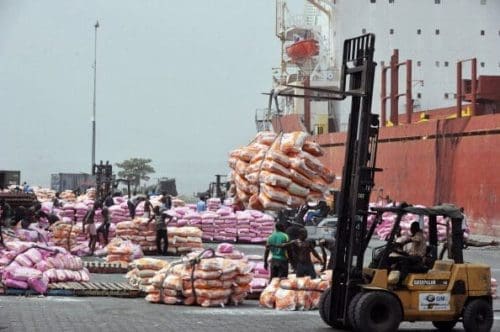
Ghana’s food import bill surged by GH¢12.2 billion in 2024, reaching GH¢38.9 billion according to the Ghana Statistical Service’s annual trade report.
This significant increase occurred alongside substantial growth in food exports, which rose by GH¢12.6 billion to GH¢46.1 billion during the same period.
While Ghana maintained an overall positive food trade balance, the substantial rise in imports of essential items like grains, meat, sugar, and edible oils underscores persistent concerns about foreign food dependency and domestic agricultural resilience.
Cereal grains constituted the largest import category at GH¢3.4 billion, followed by animal parts including offal and guts at GH¢2.7 billion, frozen poultry at GH¢2.6 billion, sugar at GH¢2.4 billion, and rice varieties totaling GH¢3.0 billion. These five categories combined accounted for more than a quarter of all food imports. Cocoa products dominated Ghana’s food exports, generating GH¢14.9 billion from cocoa beans alone, supplemented by GH¢6.6 billion from cocoa paste and GH¢3.2 billion from cocoa butter. Other major exports included cashew nuts at GH¢2.7 billion, tuna at GH¢2.2 billion, and shea oil.
Despite the higher total export value, the composition of imports reveals critical weaknesses in Ghana’s domestic food production and processing capabilities, particularly for staple goods like grains, meats, and sugar that could potentially be produced locally. This structure highlights a disconnect between the nation’s export strengths in high value commodities such as cocoa and cashew, and its reliance on imports for basic consumption needs. The Ghana Statistical Service report further noted that over half of Ghana’s grain, cereal, meat, fats, oils, and sugar imports originated from just three countries, increasing supply chain vulnerability to external disruptions and exposing consumers to currency volatility and global food price instability.
The escalating import costs signal an urgent need for renewed investment in food production, processing, and storage infrastructure, particularly targeting cereals, livestock, and sugar refining, to mitigate long term food security risks and prevent export gains from being eroded by mounting import expenditures.

