

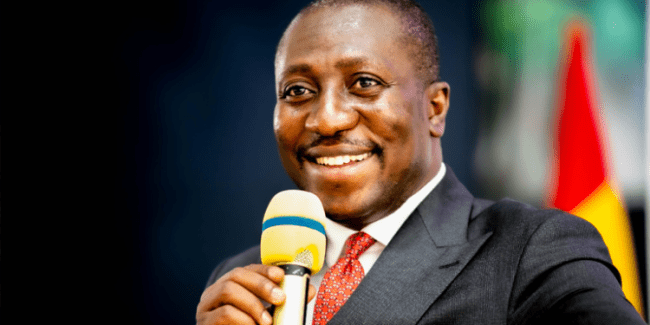
In a dramatic and charged farewell speech during the dissolution of the 8th Parliament, outgoing Majority Leader Alexander Afenyo-Markin reflected on his political journey while simultaneously setting the stage for his upcoming role as Minority Leader.
The session, which was broadcast live, captured a moment of unexpected political tension and candid revelations.
Afenyo-Markin took time to express his gratitude to both National Democratic Congress (NDC) and New Patriotic Party (NPP) figures who had played a crucial role in his political career. However, it was his remarks about Speaker Alban Bagbin that ignited significant controversy.
“Mr. Speaker has done a lot for the NDC,” Afenyo-Markin declared, a statement that instantly caused ripples across the chamber. He further remarked that Bagbin had stood firm for his party even when some in the NDC had worked against him. “Even when many within his own party plotted against him, he stood firm and delivered for them.”
This bold statement triggered audible frustration and murmurs from the NDC benches. Some MPs appeared dismayed by the diversion from the agenda of the day, questioning the appropriateness of Afenyo-Markin’s comments. Undeterred, the outgoing Majority Leader responded defiantly, warning that continued interruptions would force him to reveal the identities of those who had allegedly conspired against Bagbin’s leadership.
“Let me finish my speech. If you continue interrupting, I’ll be forced to reveal the names of those who conspired to unseat Speaker Bagbin,” Afenyo-Markin warned, his tone sharp and resolute.
The exchange highlighted the deepening divisions within the NDC regarding Bagbin’s leadership. Despite Bagbin’s long association with the party, his tenure as Speaker has been marred by internal disputes, with factions within the NDC questioning his handling of key parliamentary issues. Allegations of efforts to replace him have circulated, making Afenyo-Markin’s comments all the more incendiary.
The moment also underscored the fragile nature of political alliances in Ghana’s Parliament, with Afenyo-Markin’s acknowledgment of Bagbin’s leadership seen as a rare display of bipartisan respect. “Leadership requires courage, and Mr. Speaker has demonstrated that in abundance,” he added, offering a grudging nod to Bagbin’s ability to navigate the political challenges of his role, even as it risked alienating some members of his own party.
As the 8th Parliament formally ended, this charged exchange was a fitting reflection of the volatile political landscape Ghana faces as it prepares for the inauguration of a new parliament and the transition of leadership.

