

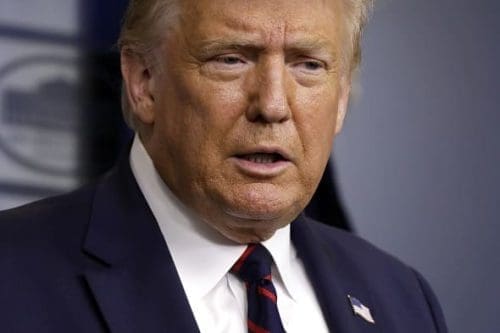
President-elect Donald Trump is set to apply for immunity from a lawsuit filed by seven police officers injured during the January 6, 2021, Capitol riot.
According to Edward Caspar, lead attorney for the plaintiffs in Smith v. Trump, Trump will request presidential immunity this month from the federal District Court for the District of Columbia.
The lawsuit, initiated in August 2021, alleges that Trump encouraged his supporters to storm the Capitol to disrupt the certification of Joe Biden’s 2020 election victory, resulting in injuries to the officers. While Trump has denied any wrongdoing, maintaining that he only advocated for peaceful protest, the court must now decide whether his actions warrant civil immunity, a legal issue that could clarify the scope of presidential immunity in civil cases.
The significance of this case extends beyond the events of January 6. It could help define the limits of presidential immunity, particularly in cases involving free speech and potential incitement to violence. In July 2021, the U.S. Supreme Court addressed presidential immunity in relation to criminal prosecution, but the question of civil immunity remains unresolved, especially in cases involving actions linked to presidential rhetoric.
The Smith v. Trump case is based on a post-Civil War statute designed to protect African Americans from intimidation and violence, often related to voting rights. The Lawyers’ Committee for Civil Rights Under Law, which represents the plaintiffs, argues that the Capitol riot was part of an effort to block voting rights and prevent marginalized communities from exercising their democratic rights.
While Trump is expected to apply for immunity in January, the legal process is ongoing. The court has scheduled briefs on the immunity question, with Trump’s initial brief due on January 24, and the plaintiffs’ response due by February 28. Discovery on the matter concluded in December 2024, and the case is expected to continue through 2025, with further developments expected in April.
The broader case also includes other defendants, such as the Trump 2020 campaign organization, the far-right groups Proud Boys and Oath Keepers, and their members, with legal proceedings continuing for the next year.

