

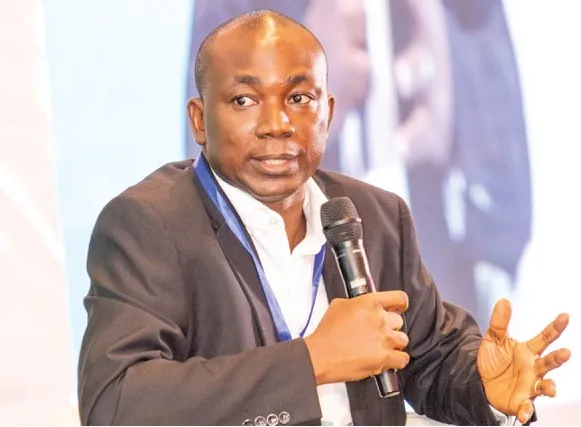
Ghana’s government is facing fierce backlash over a 10% wage increase for public sector workers, with prominent economist Professor Godfred Bokpin dismissing the raise as a tone-deaf response to a deepening cost-of-living crisis.
Speaking on Channel One TV’s The Big Issue this week, Bokpin argued the adjustment—pegged well below the current 23.5% inflation rate—leaves workers “financially naked” in a storm of rising prices and a rapidly depreciating cedi.
“You can’t ask people to tighten belts they never had,” Bokpin said, capturing the frustration of laborers who see the raise as a symbolic gesture rather than meaningful relief. The criticism follows the government’s announcement of a new daily minimum wage of GH¢19.97 (US$1.29), up from GH¢18.15 (US$1.51) last year. While the figure rose in local currency terms, the cedi’s slump against the dollar has effectively slashed purchasing power, leaving workers below the World Bank’s extreme poverty threshold of US$2.15 per day.
The disconnect highlights a grim reality: even with the increase, Ghana’s minimum wage now buys 15% less in basic goods than it did a year ago. For public sector employees, the 10% base pay bump—a figure historically tied to inflation benchmarks—falls catastrophically short of bridging the gap. Unions have long warned that stagnant wages amid unchecked price hikes for food, fuel, and utilities are pushing households toward survival mode.
President John Mahama has appealed for patience, acknowledging the raise’s inadequacy while citing constraints under Ghana’s ongoing IMF bailout program. “We recognize this isn’t enough,” he said, urging labor leaders to accept “shared sacrifices” as the government navigates a debt crisis and limited fiscal options.
But Bokpin and union heads reject the austerity narrative, accusing officials of sidestepping accountability. “This isn’t just about fiscal space—it’s about priorities,” Bokpin argued, pointing to perennial issues like corruption and inefficient spending. “Workers are being told to swallow bitter pills while leaky budgets hemorrhage public funds.”
The standoff underscores a broader dilemma in Ghana’s economic recovery efforts. While the IMF program demands belt-tightening measures, households argue they’ve already been stripped to the bone. With inflation still hovering near a two-decade peak and the cedi ranked among Africa’s worst-performing currencies this year, analysts warn that piecemeal wage adjustments risk eroding trust in public institutions.
As one Accra-based teacher put it: “How do you tighten a belt when you’re holding up your trousers with your hands?” The question lingers—unanswered—over a workforce running out of time.

