

Gone are the days when car keys were simple metal tools. Today’s vehicles rely on advanced electronic systems, transforming keys into complex devices that enhance security but demand new expertise from drivers and locksmiths alike.
Smart keys, now standard in many vehicles, use radio-frequency identification (RFID) to unlock and start cars without physical contact. While convenient, these proximity-based keys require specialized programming if lost or damaged, leaving drivers dependent on trained automotive locksmiths or dealerships for replacements.
Keyless ignition and remote start systems add further layers of technology, enabling drivers to activate engines from a distance. Yet these features introduce vulnerabilities, such as dead batteries or synchronization glitches, often necessitating professional intervention.
Embedded transponder chips, which communicate unique codes to a car’s immobilizer system, have drastically reduced theft rates. However, damaged or unprogrammed chips can render even a perfectly cut key useless, requiring experts to recalibrate the security match.
Laser-cut keys, identifiable by intricate grooves, offer heightened security but pose duplication challenges. Precision equipment, often only available through certified locksmiths, is essential for creating accurate replacements.
Digital innovations, including smartphone app-based access, integrate cars with devices via Bluetooth or manufacturer apps. While eliminating physical keys, these systems risk failure from software issues or dead phone batteries, underscoring the need for backup plans.
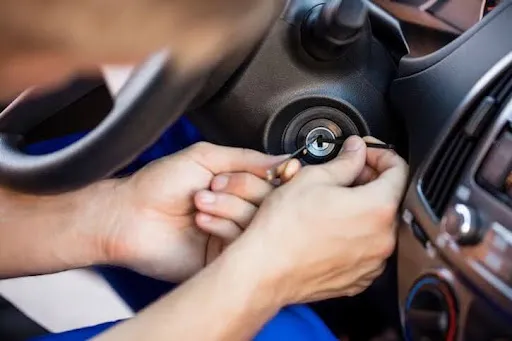
Automotive locksmiths have emerged as critical allies, offering mobile services to program keys, resolve electronic faults, or extract locked phones from vehicles—often faster and cheaper than dealerships. Their role is particularly vital for drivers who delay creating spare keys, a decision that can lead to costly emergencies if originals are lost.
As car technology evolves, drivers must balance convenience with proactive measures, ensuring they understand—and can troubleshoot—the systems safeguarding their vehicles.

