

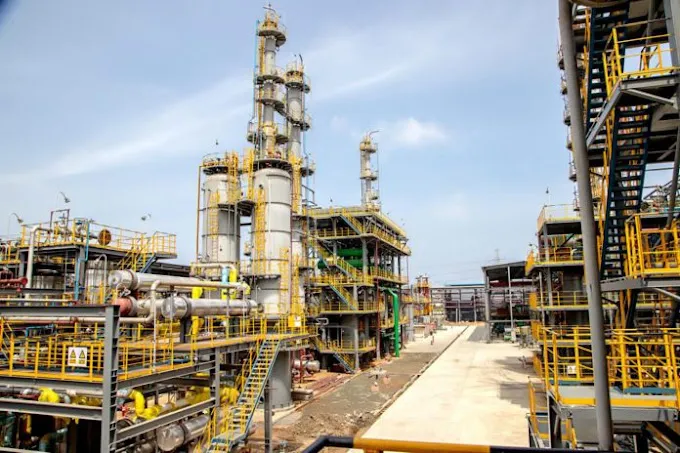
A surge in investor interest is breathing new life into the once-dormant Tema Oil Refinery (TOR).
Under the leadership of Acting Managing Director Dr. Yussif Sulemana, TOR has experienced a significant transformation over the past few months, with revenues from non-core operations rising by more than 150%.
This performance boost, achieved by maximizing existing resources in areas such as fuel storage and transport, has attracted credible interest from private sector investors eager to partner in the refinery’s turnaround.
Dr. Sulemana, who has steered TOR through a challenging period marked by massive debt and long-term underutilization, emphasized that the immediate goal is to revive the core oil refining operations—a move that will require substantial investment. “There is a strong wave of interest from private investors ready to support and partner with us,” he noted during an interview with The High Street Journal, while adding that the decision on strategic partnerships will be guided by comprehensive due diligence once a new board is constituted.
The renewed investor enthusiasm comes at a critical juncture for Ghana, which is keen to reduce its dependence on imported refined petroleum products and maximize value from its indigenous crude oil production. A fully operational TOR is seen as pivotal to achieving these national priorities by significantly lowering fuel import bills, generating employment, and bolstering energy security.
This newfound private-sector backing signals a refreshing shift in the narrative surrounding TOR. For years synonymous with inefficiency and intermittent shutdowns, the refinery is now poised to capitalize on strategic reforms and emerging market opportunities. Industry observers view the growing investor interest as evidence of the potent combination of effective leadership, operational reform, and an improved business environment. They assert that such strategic alignment could eventually transform TOR into a robust engine for Ghana’s energy and economic development.
The evolving scenario at TOR underscores the transformative impact that committed reform and private-sector collaboration can have on reviving large state-owned enterprises. As the company prepares to finalize its new board and move forward with rigorous selection of strategic partners, the future looks promising for a facility that could once again play a central role in Ghana’s industrial landscape.

