

The Parliamentary Select Committee on Education has concluded that Ghana’s senior high schools need significant infrastructure improvements to phase out the double-track system.
Following a three-week assessment of schools nationwide, Vice Chairman Joseph Kwame Kumah emphasized that each institution requires at least a 12-unit classroom block, with some needing up to 20 classrooms, to accommodate all students on a single track.
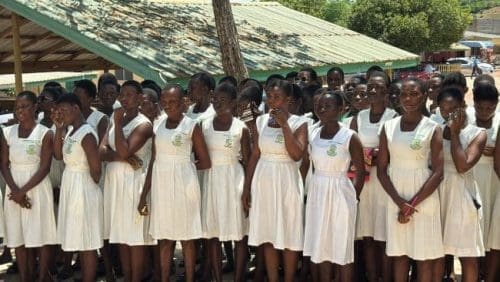
The committee’s visit to Western Region schools, including Archbishop Porter Girls SHS and Adiembra SHS, revealed critical infrastructure gaps. At Adiembra SHS, headmaster William Takyi Mensah outlined urgent needs: “We require an 18-unit classroom block, dormitories, and an assembly hall. However, land encroachment by private residences threatens these plans.” Current dining facilities designed for 600 students now serve over 4,500, forcing meal services to operate in shifts.
Kumah warned that politicizing the Free SHS program jeopardizes its sustainability: “Without immediate action on stalled projects, maintaining free education beyond eight years is uncertain. Delays could collapse the entire system.” Committee Chairman Peter Kwasi Nortsu-Kortoe commended school administrators for their resilience amid challenges while urging government support for infrastructure development.
The findings highlight how physical constraints continue to challenge Ghana’s educational reforms, with the double-track system remaining until schools meet minimum capacity requirements.

