

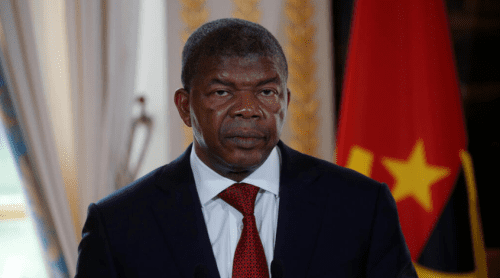
Angolan President João Lourenço has emerged as a prominent candidate for the 2025 Nobel Peace Prize, nominated by academic Afonso Botáz for his sustained diplomatic efforts across conflict-torn regions of Africa, though recent setbacks in mediation efforts highlight the complexity of continental peace initiatives.
The nomination places Lourenço among 338 candidates for the 2025 prize, comprising 244 individuals and 94 organizations, with the winner to be announced October 10 by the Norwegian Nobel Committee in Oslo.
Botáz’s nomination letter emphasizes Lourenço’s role as the African Union (AU) Champion for Peace and Reconciliation, citing his commitment to dialogue-based diplomacy that respects state sovereignty. Lourenço currently serves as Chairperson of the African Union for 2025, succeeding Mauritania’s Mohamed Ould Ghazouani.
The nomination gains significance amid ongoing challenges in regional conflict resolution. Lourenço has led mediation efforts between the Democratic Republic of Congo (DRC) and Rwanda, including attempts at resolution through the Luanda Process, though recent developments indicate mixed results.
Angola withdrew as mediator in the DRC-M23 conflict in March 2025 amid European Union sanctions complications, with Lourenço redirecting focus toward African Union responsibilities. The mediation handover occurred as Qatar and the United States assumed larger roles in facilitating dialogue between the conflicting parties.
Despite mediation challenges, foreign ministers from DRC and Rwanda signed a peace agreement at the White House on June 27, 2025, aimed at reducing fighting that has killed thousands and displaced hundreds of thousands in eastern DRC.
Lourenço’s diplomatic profile extends beyond the Great Lakes region. His mediation efforts have touched the Central African Republic, consistently emphasizing de-escalation and sustainable dialogue over performative peace initiatives.
The Angolan president’s domestic agenda complements his international diplomacy, focusing on national reconciliation, institutional reform, and historical justice initiatives. These policies have aimed to restore confidence in state institutions following decades of civil conflict that ended in 2002.
Lourenço recently received the 2025 Africa Road Builders prize from the African Development Bank, recognizing investment in infrastructure development. The award positions him among African leaders prioritizing continental connectivity and economic integration.
Analysts describe Lourenço’s approach as representing Angola’s transformation from a nation scarred by civil war to a pivotal diplomatic player, demonstrating that meaningful dialogue can reshape continental relations.
The Nobel nomination reflects broader recognition of African-led peace initiatives, though critics question the effectiveness of traditional mediation approaches in resolving complex regional conflicts involving multiple state and non-state actors.
Lourenço assumed Angola’s presidency on September 26, 2017, succeeding José Eduardo dos Santos after serving as Minister of Defense. His administration has pursued economic diversification, democratic institution strengthening, and anti-corruption measures alongside diplomatic engagement.
The nomination resonates across the continent given Angola’s strategic position as a neighbor to multiple conflict zones and partner in regional organizations and trade corridors.
The 2025 Nobel Peace Prize announcement comes amid renewed focus on African diplomatic capacity and the effectiveness of continental mechanisms for conflict prevention and resolution. Previous African Nobel Peace Prize recipients include South Africa’s Nelson Mandela and F.W. de Klerk in 1993, and Kenya’s Wangari Maathai in 2004.
Botáz’s nomination letter emphasizes Lourenço’s “quiet, effective diplomacy” that builds stability through incremental progress rather than ceremonial declarations, positioning the Angolan leader as representing sustained peace practice worthy of international recognition.
The Nobel Committee’s decision will reflect broader assessments of diplomatic effectiveness, sustainable conflict resolution approaches, and the evolving role of African leadership in global peace initiatives amid continuing continental security challenges.

