

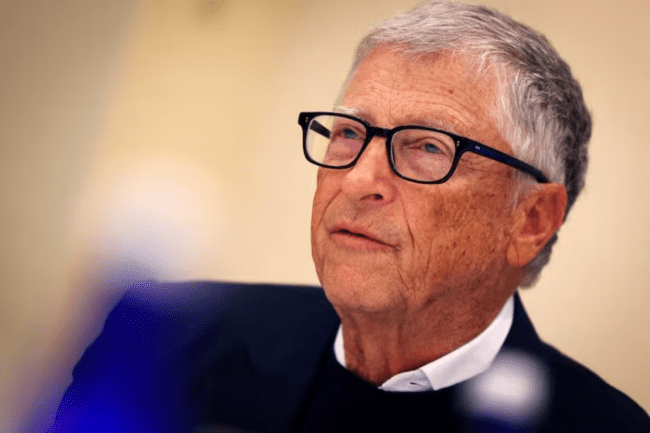
Bill Gates delivered a stark warning at the 2025 Goalkeepers event that humanity stands at a critical crossroads, as dramatic funding cuts threaten decades of progress in child mortality reduction while millions of young lives hang in the balance.
The Gates Foundation pledged $912 million to the Global Fund to Fight AIDS, Tuberculosis and Malaria’s 2026-2028 replenishment, while Gates pressed world leaders to resist proposed health aid cuts and scale lifesaving innovations for vulnerable children worldwide.
The Microsoft co-founder’s urgent appeal comes amid a devastating collapse in global health financing. Development assistance for health declined 21% between 2024 and 2025, from $49.6 billion to $39.1 billion, driven largely by a 67% drop in U.S. financing representing more than $9 billion in cuts. The reduction marks the lowest funding level in 15 years, threatening progress that cut child mortality in half since 2000.
Speaking before more than 1,000 global leaders in New York, Gates outlined an ambitious roadmap that could halve child deaths again by 2045 if governments maintain strategic investments and deploy breakthrough medical innovations effectively. The plan hinges on sustained funding for proven programs and accelerated deployment of revolutionary health technologies.
Sub-Saharan Africa faces particularly severe consequences, experiencing a 25% decline in health assistance between 2024 and 2025, the largest regional cuts despite bearing the heaviest burden of preventable childhood diseases. The timing coincides with critical funding decisions for major global health initiatives expected before year-end.
The Gates Foundation’s new Global Fund commitment brings its total investment to $4.9 billion since 2002, representing one of the organization’s largest financial pledges. The Global Fund has saved more than 70 million lives and reduced deaths from AIDS, tuberculosis, and malaria by over 60% since its establishment, generating an estimated $19 in health and economic returns for every dollar invested.
Gates emphasized that innovative medical breakthroughs could transform the landscape of childhood disease prevention. His roadmap includes revolutionary malaria interventions that prevent mosquitoes from carrying parasites, long-acting Human Immunodeficiency Virus (HIV) drugs replacing daily medications, maternal vaccines protecting babies from respiratory illnesses, and artificial intelligence systems delivering cost-effective treatments faster and cheaper than traditional methods.
The Goalkeepers event recognized Spanish President Pedro Sánchez with the 2025 Global Goalkeeper Award for increasing his country’s Global Fund contributions by 12% and Gavi contributions by 30% despite global economic pressures. Ten additional champions from across continents received recognition for advancing child health initiatives through community-based innovations and advocacy.
The Institute for Health Metrics and Evaluation confirmed that 2025 funding levels represent a comparison to what was last seen in 2009, underscoring the severity of the current financial crisis facing global health programs. Forecasts indicate further declines over the next five years unless governments reverse course on aid reductions.
The foundation’s commitment extends beyond immediate funding pledges. Earlier this year, Gates announced plans to donate virtually his entire $200 billion fortune by 2045, accelerating his timeline due to urgent global needs. The foundation will spend $200 billion over the next two decades pursuing three primary objectives: ending preventable deaths of mothers and babies, ensuring future generations grow up without deadly infectious diseases, and lifting millions from poverty.
Co-hosts Jon Batiste and Olivia Wilde emphasized the event’s theme that “we can’t stop at almost,” highlighting how progress achieved over decades could unravel without sustained commitment from donor nations. Community champions from multiple continents shared stories of resilience while showcasing breakthrough technologies already saving lives in resource-limited settings.
The Global Fund’s Eighth Replenishment cycle, co-hosted by South Africa and the United Kingdom, concludes in November, creating immediate urgency for government funding decisions that will determine whether millions of preventable deaths can be avoided over the next three years.

