

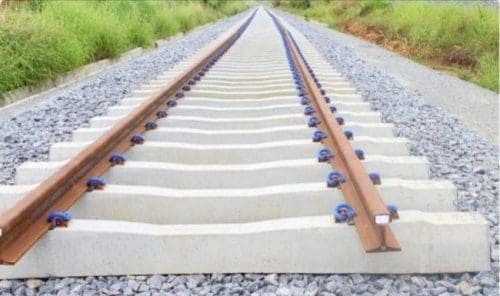
Ghana’s mining sector has intensified calls for a dedicated financing structure to fast-track construction of the Western Corridor railway, warning that delays could undermine the country’s industrial development goals.
The Ghana Chamber of Mines wants government to establish a Special Purpose Vehicle that would secure funding and oversee the long-delayed rail project. Industry leaders describe the railway as essential infrastructure that could transform how Ghana extracts value from its mineral wealth.
Chamber Chief Operating Officer Ahmed Nantogmah told parliamentarians that reliable rail transport is critical for reducing pressure on Ghana’s deteriorating road network. Heavy mining trucks currently damage highways while adding significant transport costs that hurt competitiveness.
“The development of the Western Corridor railway is not just a mining-sector priority; it is a national economic imperative,” Nantogmah declared during discussions with lawmakers visiting Ghana Manganese Company facilities.
The proposed railway would connect mining areas in the Western Region to ports, enabling bulk mineral transport that roads cannot efficiently handle. This infrastructure could unlock mining projects that are currently uneconomical due to transport constraints.
Beyond transportation, the Chamber pushed for government support to establish a manganese processing facility in Ghana. Currently, the country exports raw manganese ore while missing opportunities to capture higher-value refining activities.
“Instead of exporting raw ore, we would be producing higher-value products locally,” Nantogmah explained. A domestic refinery would create skilled manufacturing jobs and keep more revenue within Ghana’s economy rather than shipping it overseas.
The discussions occurred during a visit by Parliament’s Committee on Lands and Natural Resources, which is examining how mining can better contribute to national development. Lawmakers heard presentations on three key priorities: railway development, local processing, and combating illegal mining.
Committee Vice Chairperson Sanja Nanja praised the industry proposals and promised parliamentary support for policies linking mining more closely to broader economic transformation. He emphasized that mining should drive industrialization and job creation, not just government revenue.
“We are committed to ensuring mining contributes not only to government revenue but also to industrialisation, job creation, and the fight against illegal mining,” the lawmaker stated.
The Special Purpose Vehicle concept would create a dedicated entity to raise funds, manage construction, and operate the railway once completed. This approach could attract private investment while maintaining public oversight of the strategic infrastructure project.
Ghana’s mining sector contributes significantly to export earnings but critics argue the country captures insufficient value from its mineral resources. Better infrastructure and local processing could help address this concern while supporting industrial development.
Railway projects typically require substantial upfront investment but generate long-term economic returns through reduced transport costs and improved logistics. The Western Corridor route would serve multiple mining operations while potentially carrying other freight traffic.
Illegal mining remains a persistent challenge that damages both the environment and legitimate mining operations. The parliamentary committee discussions included strategies for intensifying enforcement against unauthorized mining activities that undermine sector sustainability.
The collaboration between industry, government, and communities will determine whether Ghana can realize its mining sector’s full potential for national development, stakeholders agreed.

