

Third Quarter GDP figures released by the National Bureau of Statistics, NBS, reveal a consistent growth in Agric and Solid Mineral sectors, indicating the success of the Buhari administration’s economic policies even though overall economy is still in recession, administration officials said Monday.
The third quarter beat expectations and grew at the fastest pace since the beginning of the recession.
Most Nigerians continue to struggle to access basic necessities than before the 2015 economic crisis with the oil and gas sector, witnessing drop in earnings in each of the last three quarters.
The partial recovery that has materialized has been quite uneven, favouring slow growth in the non-oil sector.
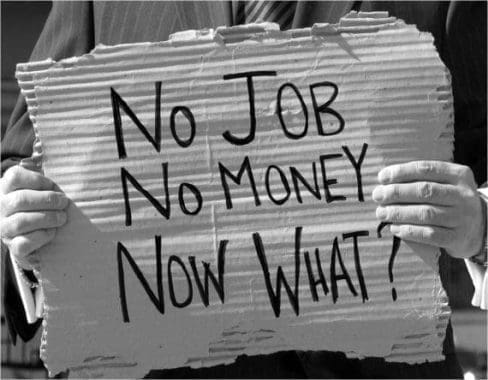
The most publicly visible indicator of labour market health is the national unemployment rate, which has witnessed a precipitous but misleading drop in recent years, though the Buhari administration has commenced employment of 200,000 unemployed graduates to confront the issue.
Just as the labour market is operating well below potential, so is the economy in general, by the broadest measures, analysts said Monday.
In a statement from the office of the Vice President “The third quarter results just released by the National Bureau of Statistics show that the Nigerian economy is still in recession. Growth in Gross Domestic Product fell by -2.24% in the third quarter as compared to the decline of -2.07% experienced in the second quarter.
Special Adviser to the President on Economic Matters, Dr. Adeyemi Dipeolu on behalf of the Economic Management Team said that the slight deterioration in national economic performance owes largely to the continued poor performance of the oil and gas sector which worsened to -22.01% in the third quarter as compared to -17.48% in the second quarter of 2016. The immediate cause of this, as is now generally recognised, is the steep decline in oil and gas production in the third quarter of 2016 due to acts of vandalism and sabotage of oil export facilities.
Remote causes include the continued outsized influence of the oil and gas sector on the rest of the economy as typified by its contribution to government revenue and foreign exchange earnings, which continue to be important motors of economic activity. Moreover, due to time lags, it is still too early for policy interventions of the Federal Government to begin to impact fully on economic activity.
He also revealed that there are however some ‘green shoots’ of economic recovery beginning to emerge.
“To start with, on-going consultations to bring lasting peace to the Niger Delta have enabled an increase in oil and gas production which if sustained at current prices, will bring a measure of relief to the economy.”
“Other key sectors of the economy showed encouraging signs of improvement.”
“The growth in the non-oil economy although still weak at 0.03% showed a return to positive territory after two consecutive quarters of negative growth. This was partly due to the continued good performance of agriculture and the solid minerals, two sectors prioritised by the Federal Government. Agriculture grew by 4.54% in the quarter under consideration of which growth in crop production at nearly 5% was at its highest since the first quarter of 2014. Growth in the solid mineral sector averaged about 7%.
“The financial sector rebounded quite strongly in the period under review growing by 2.85% from a negative growth of -13.24% in the second quarter. The recently approved first tranche of $600m to be borrowed from the African Development Bank will also provide some relief in budgetary terms and supplement capital inflows. Indeed, there was a slight uptick of capital inflows into the economy in the third quarter of 2016. Overall capital inflows in the third quarter of 2016 increased by 74.84% over the second quarter.
“The performance of the manufacturing sector continued to be of concern given its key role in value addition and job creation in the economy. It is expected however that with greater local sourcing of raw materials, expected improvements in infrastructure, especially power and reductions in the cost of doing business, this sector will soon experience a sustained improvement in its contribution to the national economy.”
“Similarly, while inflation is still high at 18.3% on a year-on-year basis it has begun to level out on a month-on-month basis and should enable the deployment of more policy tools to support growth and employment. Indeed, growth of headline inflation slowed down appreciably from 13.8% in May to as low as 1.70% in September.”
“The year to date growth is about -1.58% and is set to improve given some of the points mentioned earlier especially regarding agriculture, oil and gas, and power supply. In addition, there have also been reductions in the rate of contraction of household and government consumption expenditure. Household consumption expenditure fell for instance by -3.25% in the third quarter of 2016 as compared to -6.0% recorded in the second quarter.”
“Overall therefore, it is expected that these factors which will be underpinned by the policies to be unveiled in the Economic Recovery and Growth Plan, ERGP, to be adopted before the end of the year, will lend further momentum to on-going efforts to revitalise and reposition the economy.”
Source: perssecondnews.com

