

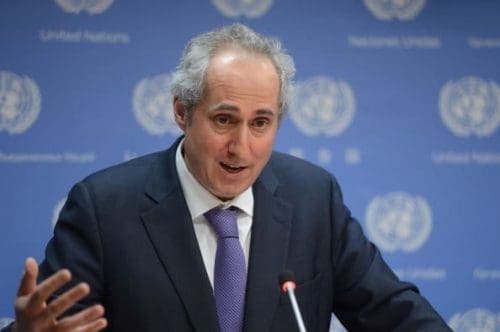
People continue to arrive in neighbouring countries, albeit in smaller numbers in recent weeks as it becomes harder to cross borders, UN spokesman Stephane Dujarric told reporters here, adding that these countries are Tanzania (135,941 refugees), Rwanda (76,404), the Democratic Republic of the Congo (22,204) and Uganda (24,583).

“Many asylum seekers or new arrivals report human rights abuses in Burundi, including torture, sexual violence, arbitrary detention, intimidation, forced recruitment by militia, killings and extortion,” he said.
With mass returns not currently expected soon, UNHCR will in the coming year put greater emphasis on education for children and youth, and encourage refugees to become self-sufficient at a time when budget shortfalls are leading to cuts in some assistance, he said.
UNHCR is seeking almost 175.1 million U.S. dollars for its Burundi crisis operations this year, but has received only 47.8 million dollars to date, or some 27 percent, the spokesman added.
Burundi is facing a political turmoil that broke out since April 2015 following the announcement by Burundian President Pierre Nkurunziza that he would be seeking a third term.
His candidature, which was opposed by the opposition and civil society groups, resulted in a wave of protests, violence and even a failed coup on May 13, 2015.
More than 400 people were reportedly killed since then while some 240,000 citizens sought exile in neighboring countries.
Source: Xinhua

