

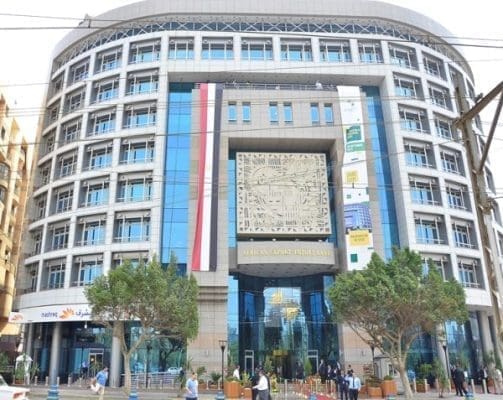
The African Export-Import Bank (Afreximbank) is significantly expanding its engagement with Suriname through a comprehensive financing package that spans energy development, trade facilitation, and industrial projects, following high-level discussions during the 80th United Nations General Assembly.
Professor Benedict Oramah, President and Chairman of Afreximbank, met with Suriname’s President Dr. Jennifer Geerlings-Simons in New York to advance collaboration and align financing initiatives with the Caribbean nation’s development priorities. The discussions mark a pivotal moment in African-Caribbean economic cooperation.
The centerpiece of the expanded partnership involves Afreximbank’s role in coordinating a substantial financing package for Staatsolie Maatschappij Suriname N.V., the country’s state-owned energy company. Earlier this year, Afreximbank acted as global coordinator and joint mandated lead arranger for a senior secured term loan facility amounting to US$1.6 billion in favor of Staatsolie.
This major financing enables Staatsolie to secure a strategic 20 percent stake in Offshore Oil Block 58 alongside international energy giant TotalEnergies. The deal represents one of Afreximbank’s largest commitments in the Caribbean region and is considered crucial for developing Suriname’s nascent offshore energy sector.
The financing arrangement demonstrates Afreximbank’s growing expertise in structuring complex energy deals that involve multiple international partners. Block 58, operated by TotalEnergies, has emerged as one of the most promising offshore oil discoveries in South America, with significant reserves that could transform Suriname’s economic prospects.
Beyond energy sector financing, the discussions during the UN General Assembly covered Afreximbank’s broader support for Suriname’s financial institutions. This includes providing correspondent banking services and establishing trade finance lines designed to strengthen liquidity and promote regional economic integration between Africa and the Caribbean.
The partnership also encompasses potential cooperation under Afreximbank’s $5 billion Local Content Facility, which aims to boost domestic participation in key industries. This facility represents a strategic approach to ensuring that resource development projects generate maximum benefits for local economies through skills transfer, job creation, and supply chain development.
Talks between the two leaders also explored opportunities linked to Suriname’s proposed wood processing industrial park, which forms part of the country’s economic diversification strategy. This initiative reflects Suriname’s efforts to move beyond traditional commodity exports toward value-added manufacturing and processing industries.
President Geerlings-Simons, who made history as Suriname’s first female president when elected on July 6, 2025, has prioritized economic diversification and sustainable development since taking office. Her administration is focusing on maximizing benefits from the country’s natural resources while building a more resilient and diversified economy.
The expanded partnership underscores Afreximbank’s strategic focus on strengthening African-Caribbean economic ties through resource development, industrialization, and trade finance initiatives. This approach leverages shared historical and cultural connections between Africa and the Caribbean to create mutually beneficial economic relationships.
For Suriname, the partnership provides access to significant financing capabilities and technical expertise in sectors crucial for economic transformation. The country’s offshore oil potential, combined with its rich forest resources and strategic location, positions it as an attractive partner for development finance institutions.
Afreximbank’s Caribbean expansion reflects the bank’s broader mandate to facilitate trade and investment flows beyond the African continent. The institution has increasingly positioned itself as a bridge between Africa and other developing regions, particularly in areas where historical and economic ties create natural partnership opportunities.
The timing of these discussions during the UN General Assembly highlights the multilateral dimension of the partnership. Both leaders emphasized the importance of international cooperation in addressing development challenges and leveraging natural resources for sustainable economic growth.
The wood processing industrial park project represents a particularly strategic component of the partnership, as it could create significant employment opportunities while adding value to Suriname’s abundant forest resources. This aligns with global trends toward sustainable forest management and value-added processing in developing countries.
Staatsolie’s partnership with TotalEnergies in Block 58 has already generated significant international attention, with the offshore field potentially containing billions of barrels of recoverable oil. The Afreximbank financing ensures that Suriname maintains meaningful participation in this transformative development.
The Local Content Facility offers additional opportunities for Surinamese businesses to participate in major development projects. This facility specifically targets initiatives that enhance local capacity, transfer technology, and create sustainable employment opportunities in key sectors.
As Suriname navigates its transition from a primarily agricultural and mining economy toward one increasingly driven by oil revenues, the Afreximbank partnership provides crucial financial and technical support. The comprehensive nature of the cooperation addresses multiple sectors simultaneously, reducing development risks and creating synergies across different economic activities.
The partnership also reflects broader trends in South-South cooperation, where developing countries increasingly collaborate directly rather than relying solely on traditional North-South development models. This approach often results in more culturally appropriate and economically sustainable development outcomes.
Looking ahead, the success of these initial initiatives could pave the way for expanded cooperation across additional sectors, including agriculture, tourism, and renewable energy. Both institutions have expressed commitment to building long-term partnerships that evolve with changing economic conditions and development priorities.

