

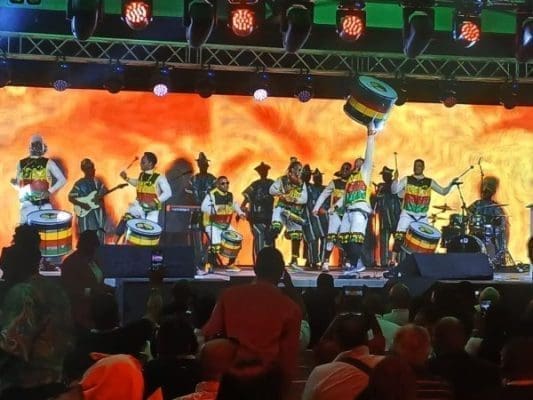
The Creative Africa Nexus is transforming Africa’s cultural industries into viable economic engines at the ongoing Intra-African Trade Fair in Algiers, connecting thousands of creatives with investors and policymakers across the continent.
The initiative, spearheaded by the African Export-Import Bank, spotlights the power of Africa’s cultural industries through exhibitions, performances, and business forums spanning music, film, fashion, literature, visual arts, and gastronomy. The platform aims to position creative enterprise as central to Africa’s economic transformation.
CANEX at IATF is billed as the largest gathering of creatives from Africa and the Diaspora across value chains of diverse creative and cultural industries, drawing participants from across the continent and international diaspora communities to Algeria’s capital.
The emphasis on business networking reflects a strategic shift toward treating cultural production as serious economic activity. Organizers have structured tailored sessions designed to foster long-term partnerships between creatives, investors, and government representatives, moving beyond traditional showcase formats.
AfCFTA Secretary-General Wamkele Mene emphasized that real success lies not just in trade volumes, but in tangible impact on jobs, empowered SMEs, and unlocked markets. His remarks positioned cultural industries within broader continental economic integration efforts under the African Continental Free Trade Area.
Mene highlighted a 12.4% increase in intra-African trade from 2023 to 2024, reaching $220.3 billion, noting Africa’s transition from raw commodity exports toward value-added goods including cultural products and creative services.
Algeria’s hosting role carries particular significance for cultural diplomacy initiatives. The country is showcasing its artistic heritage while promoting cross-border cultural exchange, featuring events like Alger Fashion Week and the Jazair Awards alongside traditional and contemporary artistic presentations.
The programming extends beyond exhibitions to include workshops, masterclasses, and panel discussions addressing practical business challenges. Sessions focus on intellectual property rights, digital monetization strategies, and creative financing mechanisms, equipping emerging talents with tools for global market competition.
Strategic partnerships enhance the event’s reach and impact. Organizations including the Music in Africa Foundation, Nigerian International Film Summit, and HEVA Fund contribute specialized expertise, reflecting growing recognition of creative industries as viable economic sectors rather than merely cultural activities.
Digital amplification plays a crucial role in extending the event’s influence. Platforms like BellaNaija, with nearly 10 million followers, bridge gaps between local creatives and international audiences, demonstrating how digital media can scale cultural commerce beyond traditional geographic boundaries.
The initiative addresses historical challenges facing African creative industries, including limited access to financing, weak distribution networks, and inadequate intellectual property protection. By creating structured business environments, CANEX attempts to professionalize sectors traditionally operating through informal channels.
Winners of competitions like CANEX Shorts receive opportunities to participate and screen films at the fair while connecting with potential investors, illustrating the platform’s role in talent development and commercial networking.
The focus on business-to-business and business-to-government engagement reflects understanding that sustainable creative industry development requires both private sector investment and supportive policy frameworks. Government participation signals official recognition of cultural industries’ economic potential.
Creative financing workshops address one of the sector’s most persistent challenges. Traditional financial institutions often struggle to evaluate creative projects, while creators frequently lack business skills needed to present commercially viable proposals to investors and lenders.
The integration of gastronomy alongside traditional creative sectors acknowledges Africa’s culinary heritage as exportable cultural product. This inclusion demonstrates broader thinking about what constitutes creative economy, extending beyond entertainment into lifestyle and experiential sectors.
By creating spaces where creativity meets commerce, CANEX is redefining how Africa trades, collaborates, and tells its stories, according to industry observers who view the initiative as potentially transformative for continental cultural production.
The platform’s emphasis on diaspora engagement recognizes that African creative communities extend globally, with significant populations in North America, Europe, and other regions maintaining cultural connections while accessing international markets and investment opportunities.
For participating creatives, the event represents rare access to continental markets and professional development opportunities typically unavailable at local or national levels. The concentrated networking environment allows for relationship building that can sustain long-term business partnerships.
As cultural industries increasingly demonstrate economic viability globally, Africa’s creative sectors are positioning themselves to capture larger shares of international markets while developing robust domestic and regional demand for cultural products and services.

